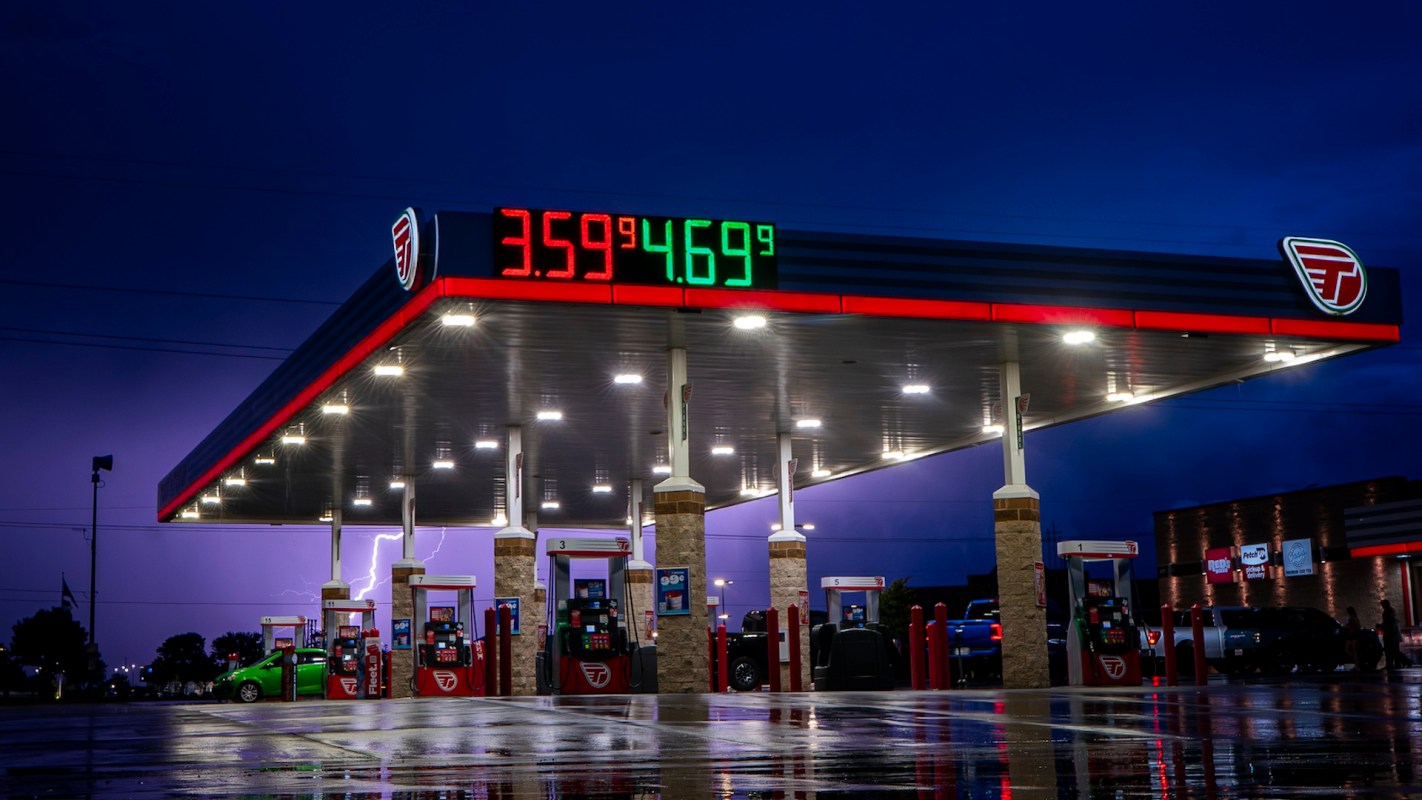
Drivers in the Texas Panhandle are seeing a sharp jump at the pump, with Amarillo-area gas prices climbing 13.4 cents to an average of $3.57 per gallon.
An increase like that can quickly strain household budgets. There is some hope that cheaper winter gas may provide relief, but due to ongoing conflicts in major producing regions, the outlook is not great.
Here's what to know
After rising 13.4 cents, Amarillo's average gas price reached $3.57 per gallon, based on GasBuddy data cited by KAMR/KCIT. The station also reported the local average was up 1.6 cents in its monthly comparison and 94.3 cents in its annual comparison.
The data also showed that where drivers stop matters, because prices across Amarillo varied widely. Using GasBuddy figures, KAMR/KCIT reported a local low of $3.35 per gallon and a high of $4.09, creating a 74-cent gap.
Crushed by your bills? See instant solar savings from vetted installers in just a few clicks With energy prices through the roof, there's never been a better time to go solar — and EasyHome can help you find the best prices from the best installers in your area. EasyHome takes the guesswork and headaches out of energy upgrades by showing you estimated savings from a network of vetted local partners. To get started, just enter your ZIP and share a few details about your home — seeing your estimate is really that easy. |

Across Texas as a whole, the range was even wider. The lowest listed price was $2.95, while the highest was $5.34.
Across the country, the average gas price increased 7.7 cents to $4.02 per gallon, and diesel rose 14.3 cents to about $5.42.
According to GasBuddy petroleum analyst Patrick De Haan, "Average gasoline prices climbed back above $4 per gallon over the last week, with prices rising in slightly more states than they fell, as rebounding oil prices driven by the continued closure of the Strait of Hormuz and ongoing Ukrainian attacks on Russian oil refineries kept upward pressure on the market."
Going solar is one of the best ways a strained household can shield itself from rising gas bills and save money on home energy. Readers can explore EnergySage to get free solar installation estimates and compare quotes.
More background
When oil markets tighten or key infrastructure is damaged, drivers often end up footing the bill and paying more with little warning.
Beyond volatile prices, the fossil fuel industry harms people and communities in other ways. Coal and natural gas power plants contribute to air and water pollution linked to asthma, heart disease, cancer, and premature death, while also keeping energy costs high for households that remain dependent on these fuels instead of more abundant energy sources such as sunlight and wind.
Industry lobbying can also delay cleaner, cheaper energy solutions that would better protect families and lower costs.
What can be done?
Comparing nearby stations, combining errands into fewer trips, keeping tires properly inflated, and staying current on maintenance can all reduce fuel use.
More From EnergySage
💡Go deep on the latest news and trends shaping the residential solar landscape

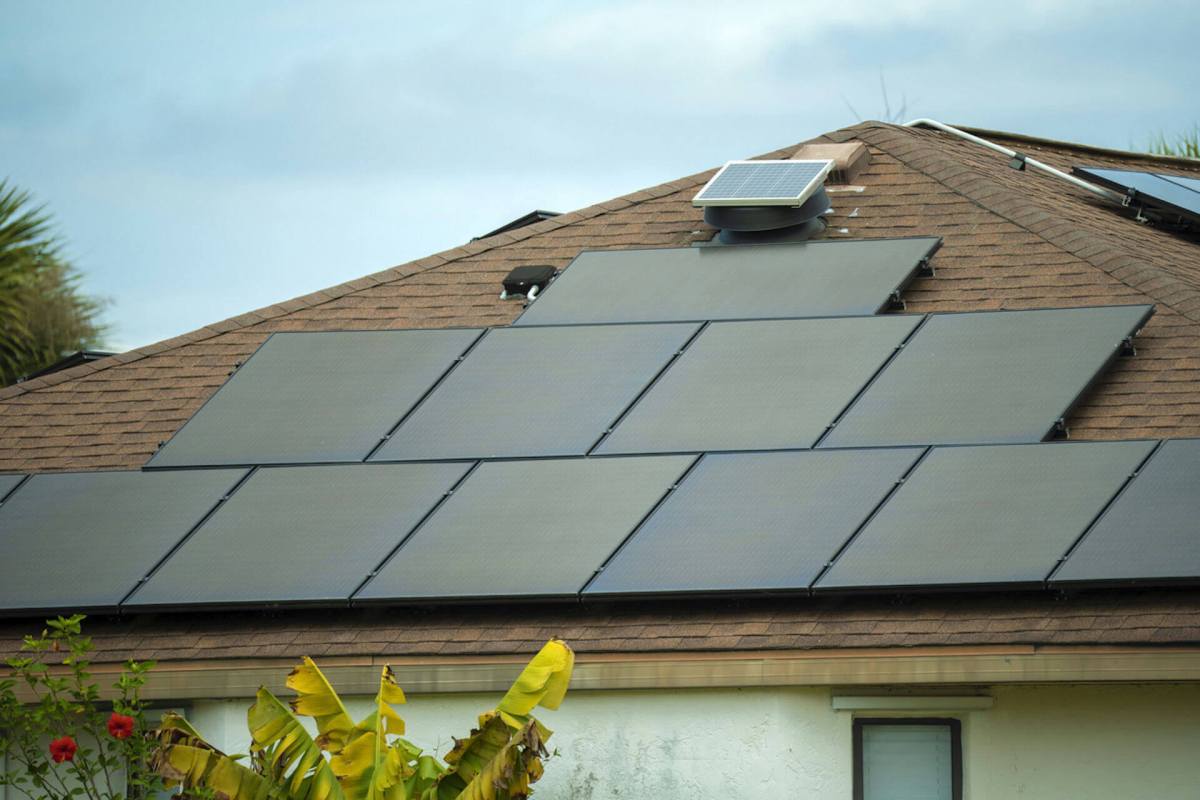

EnergySage's free services can help homeowners compare options more easily, and with EnergySage's help, the average person can save on solar purchases and installations. Readers can also use EnergySage's solar map, which shows the average cost of a home solar panel system on a state-by-state level, as well as details on solar panel incentives for each state. Together, those resources can help people get the best price for rooftop solar panels and access available incentives.
Adding battery storage to a solar setup is also one of the best ways to protect your home during outages, save money on energy, and go off-grid.
Home batteries can store extra electricity for use when the grid goes down or when utility rates spike. Readers can explore EnergySage for information about home battery storage options, including competitive installation estimates.
De Haan cautioned that relief may not come quickly: "While the seasonal transition to cheaper winter-blend gasoline in the coming month could bring some relief, the two dominant challenges facing motorists — the closed Strait and the ongoing refinery strikes — show no signs of resolving anytime soon."

Get TCD's free newsletters for easy tips, smart advice, and a chance to earn $5,000 toward home upgrades. To see more stories like this one, change your Google preferences here.