


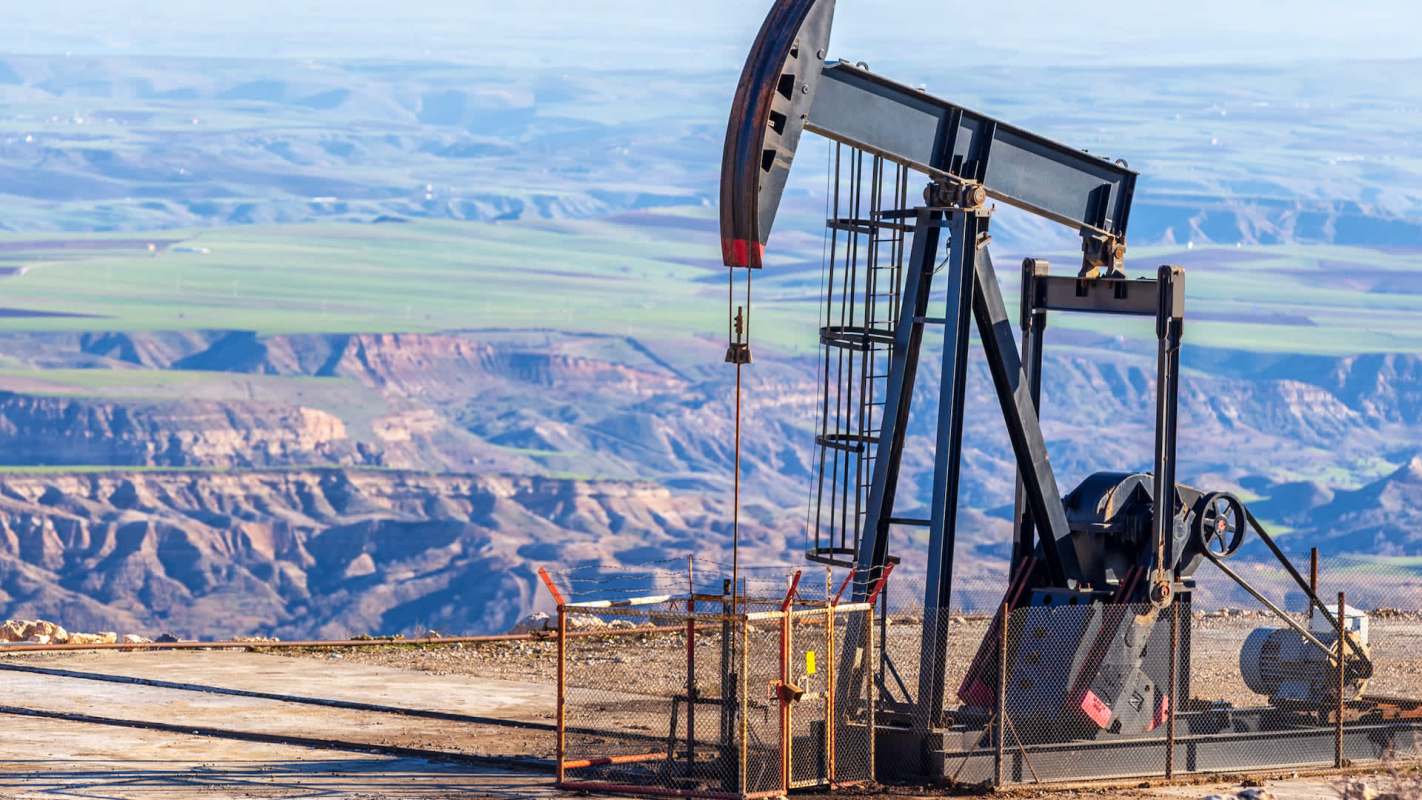
Unpaid bills, unsafe infrastructure, and unresolved cleanup obligations on landowners' properties prompted an Alberta cattle rancher to urge fellow property owners to resist new oil and gas drilling.
Bill Heidecker, president of the Alberta Surface Rights Federation, wants companies held accountable before more development goes ahead. His own land contains dozens of inactive wells.
Here's what to know
A 10-page letter to Alberta Premier Danielle Smith sets out the Alberta Surface Rights Federation's position, according to The Orchard. Heidecker wrote the letter as the group's leader.
Heidecker said companies have repeatedly failed to honor their obligations to property owners who must accommodate extraction. Those responsibilities include land reclamation, lease payments, and environmental oversight.
Heidecker also identified overdue lease payments and municipal taxes as among the problems affecting landowners' livelihoods. He cited excessive water diversion, inadequate reclamation, unsafe infrastructure, and weeds spreading at well sites.
"All of our behind-closed-door conversations with the province have been ignored, so we've got no choice now," he told The Orchard. "We've got to go public and start telling landowners that you're going to have to take action to protect yourself."
TCD Picks » Quince Spotlight
💡These best-sellers from Quince deliver affordable, sustainable luxury for all




More background
According to The Orchard, Alberta's Mature Asset Strategy looks to speed up work on the province's 77,354 wells classified as inactive. But Heidecker said the industry-heavy process behind the initiative has failed to adequately address landowners' concerns.
David Yager, a special adviser to Smith and former chief executive of a well-plugging company, has overseen the strategy. Smith also appointed him to the Alberta Energy Regulator's board.
The Orchard reported that industry representatives participated in all six government working groups to develop the strategy, while the federation participated in just one.
Landowner advocates were excluded from consultations on implementing the strategy, according to Heidecker. His letter described that decision as the "final straw" for the federation's cooperation with industry and government.
Heidecker said projects such as the Pacific Link tar sands pipeline and the carbon dioxide pipelines linked to the Pathways storage hub should wait until Alberta resolves existing problems.
What's being done?
While landowners cannot simply prohibit extraction on their property, withholding cooperation will require companies to seek an access order from Alberta's Land and Property Rights Tribunal, according to The Orchard.
Through that process, owners can request tougher conditions. The process also costs companies time and money, potentially encouraging them to negotiate better agreements.
The federation is calling for reclamation payments in advance, matching the standard applied to renewable energy producers. It also wants landowners to obtain routine reports on producers' finances and to require owner consent before a license passes to a different company.
Heidecker joined other landowners in a court challenge against the Alberta Energy Regulator over what the group says is inadequate funding for the Orphan Well Association. The industry-financed organization handles cleanup of inactive wells left by companies that have gone bankrupt.
"We're going to have to make it cost them some money or make it cost them some votes. That seems to be our only option," Heidecker said, per The Orchard.
Where can I learn more?
Concerns about neglected wells and opposition to new drilling aren't limited to Alberta.
• Texas lawmakers questioned the Railroad Commission as 160,000 inactive wells risk becoming orphaned.
• Across the United States, millions of abandoned oil wells may leak methane, oil, and toxic waste.
• Colorado residents are fighting Verdad's 22-well plan in Weld County over clean-air concerns.
• In Ohio, nearly 3,000 Wayne National Forest acres were leased for fracking as legal opposition looms.
• In Ohio, opponents are fighting proposed public-land fracking at Monroe Lake Wildlife Area.

Get TCD's free newsletters for easy tips, smart advice, and a chance to earn $5,000 toward home upgrades. To see more stories like this one, change your Google preferences here.






