


Indiana residents are concerned about higher utility costs as AI data centers expand across the state.
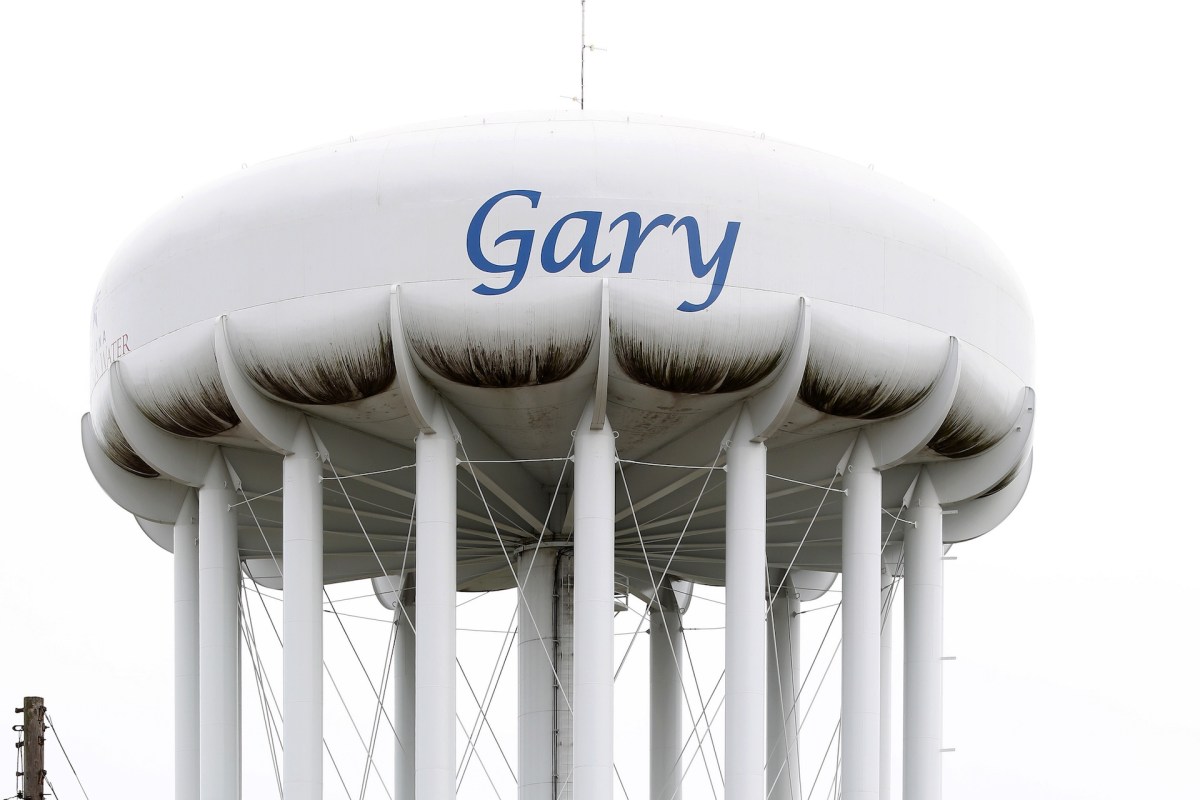
That concern is now taking center stage in Gary, where local officials and advocates say families already struggling with rising energy costs could end up shouldering the burden of powering massive new facilities.
What's happening?
A public forum in Gary centered on the key issue of whether ordinary customers will end up paying for the electric buildout required by new AI data centers, according to Capital B News.
At the July 15 meeting, Citizens Action Coalition Executive Director Kerwin Olson said NIPSCO customers are already under pressure from rising bills.
Data presented at the forum showed that from 2023 to 2025, the monthly electric bill for a household using 1,000 kilowatt-hours increased by about $83, while monthly natural gas bills went up by roughly $36.
The coalition also cited NIPSCO's deal connected to Amazon's New Carlisle data center campus, which is expected to cover more than 30 buildings.
TCD Picks » Quince Spotlight
💡These best-sellers from Quince deliver affordable, sustainable luxury for all




NIPSCO said the deal will return $1 billion in credits to ratepayers, but the coalition noted the amount would be closer to $3.5 billion if Amazon paid transmission rates comparable to those paid by other large industrial customers.
Complicating matters further, NIPSCO is also dealing with fallout from gas meter errors that caused more than 3,500 customers to be billed for about double their actual usage.
Why does it matter?
AI is closely tied to the energy grid because the data centers that train and run AI systems require enormous amounts of electricity around the clock.
The technology can offer advantages, such as improving agricultural practices, speeding up scientific developments, and making laborious tasks more efficient.
However, those benefits come with tradeoffs, including heavy energy and water use, which often impacts the people who live near data centers.
Community organizer Carolyn McCrady said the state's policies are putting added pressure on cities and working families.
"It's amazing how Senate Bill 1 fits into the plans of exploiters of working-class people," McCrady said. "They put cities and towns in a situation where they're going to go under, and then they have to accept these data centers."
What's being done?
The Citizens Action Coalition said it plans to pursue full refunds for customers affected by NIPSCO's meter errors, calling the utility's handling of the issue "egregious."
State regulators may also take a closer look at how utilities pass costs on to customers. The Indiana Utility Regulatory Commission has announced a formal investigation into "trackers," the charges utilities use to recover infrastructure and other costs outside standard rate cases.
Some local leaders are also urging Gary to consider slowing or pausing additional data center approvals.
Michaela Spangenberg of the Gary Education Coalition urged officials to consider a pause, saying, "What a moratorium does among other things is buy you time. We need something to protect us now."
Council Vice President Darren Washington also warned about a state policy that could allow utilities to charge customers for development costs tied to future nuclear projects even if those projects are never built.
"Are we really going to force low-income households, working-class Hoosiers, single moms, retirees, disabled veterans to pay project development costs for a company like Google that has a balance sheet in excess of $4 trillion?" he asked.
Washington added, "I am definitely not against a moratorium but not without consultation and working with our executive branch first."

Get TCD's free newsletters for easy tips, smart advice, and a chance to earn $5,000 toward home upgrades. To see more stories like this one, change your Google preferences here.






