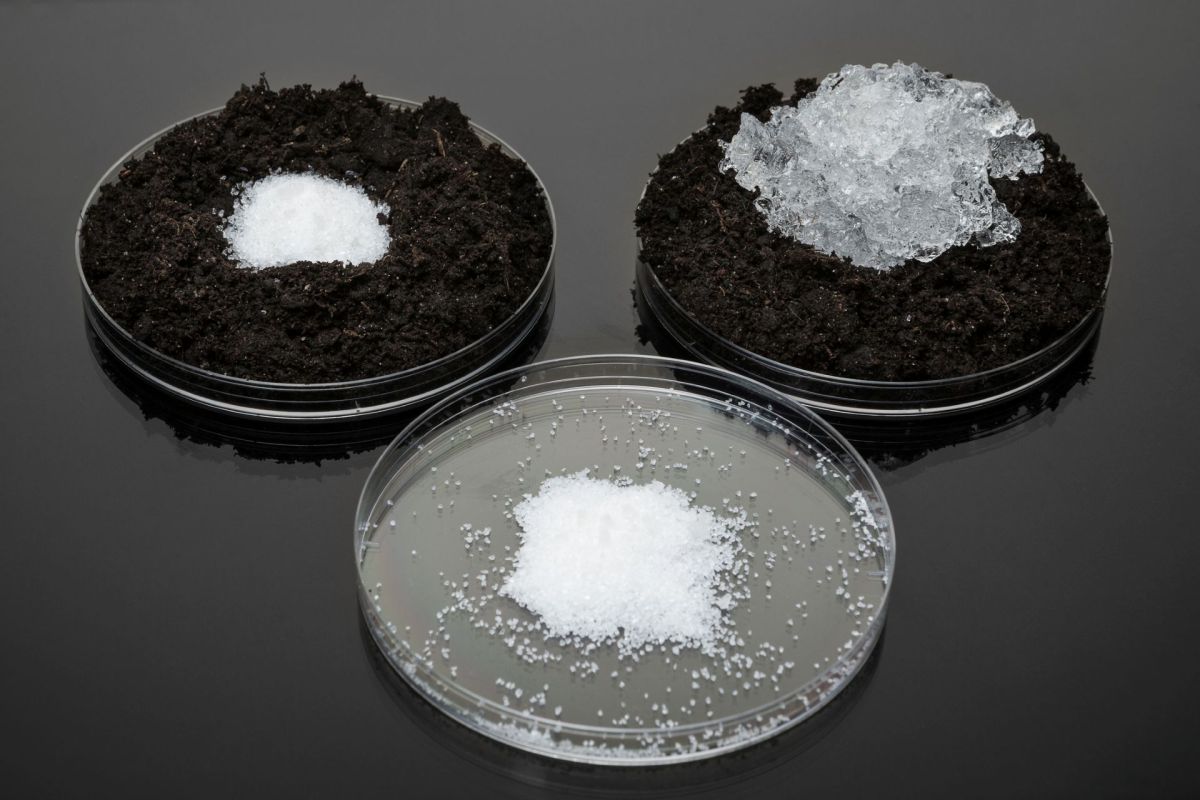
Two California teenagers turned to a material commonly found in diapers to help prevent fires from reigniting, yielding some promising results.
In their experiment, hydrogel-treated charcoal took nearly half an hour to reignite, compared with just three minutes for charcoal sprayed with water alone.
Here's what to know
For an eighth-grade project at California's Riverside STEM Academy, 14-year-old twins Jack and Henry Grover evaluated nine inexpensive, widely available hydrogels, according to Science News Explores.
The brothers measured water absorption, tested how well the materials stuck to leaves, and timed how quickly they dried in an oven.
After sodium polyacrylate outperformed the other gels, the brothers applied it to hot charcoal to see how long it could delay its reignition. The flame-resistant, superabsorbent material is also used in diapers and menstrual products.
Henry explained that the gel keeps water on the material longer, providing more sustained cooling.
TCD Picks » Quince Spotlight
💡These best-sellers from Quince deliver affordable, sustainable luxury for all




"With water, it just rolls right off or evaporates, while hydrogels hit and will stick and release that [water] over a long period of time. So much more of the water is actually used and actually cools down the rekindling material," he told Science News Explores.
More background
A fire that nearly destroyed the Grovers' family home helped motivate the twins' fire-prevention research.
The brothers chose to study how to keep burned areas from relighting after learning that a rekindled blaze had caused California's 2025 Palisades Fire, according to Science News Explores.
Hydrogels can absorb large quantities of water and then release it. The materials could offer an environmentally friendlier alternative to other fire retardants because they can break down in the environment.
Each brother won separate $10,000 top prizes at the 2026 Thermo Fisher Scientific Junior Innovators Challenge, where their project also earned them finalist spots.
What's being done?
Jack said the biggest challenge was figuring out how to test their approach to preventing rekindling. The brothers devised an experiment using household equipment.
"It's not like we could waltz up to some wildfire, wait for the firefighters to put it out, and then test out our product," he told Science News Explores. "We used things like the oven and the barbecue, because those are safer than testing it with a giant fire."
Along with testing the gel, the brothers used 3-D printing to make a spray nozzle, which they also tested. Connected to a hose, the nozzle launched the material about 60 feet.
Both brothers said building and trying out the nozzle was the most rewarding part of the project.
For students considering a research partnership of their own, Jack emphasized the importance of finding someone willing to share the work.
"You've got to work with somebody you know you work well with, and it's gotta be somebody who's actually going to help with the project. Don't just work with someone who you enjoy spending time with but is just going to goof off and not do any of the work," he told Science News Explores. "You've got to make sure you're finding a partner who's going to be responsible and do their work as well."
Where can I learn more?
Preventing a fire from reigniting is one among a range of ways to help keep homes safe from blazes:
• In Altadena, a home lost to fire is getting 3D-printed concrete walls 11 inches thick.
• A California researcher turned his wildfire close call into a budget-friendly home safety plan.

Get TCD's free newsletters for easy tips, smart advice, and a chance to earn $5,000 toward home upgrades. To see more stories like this one, change your Google preferences here.