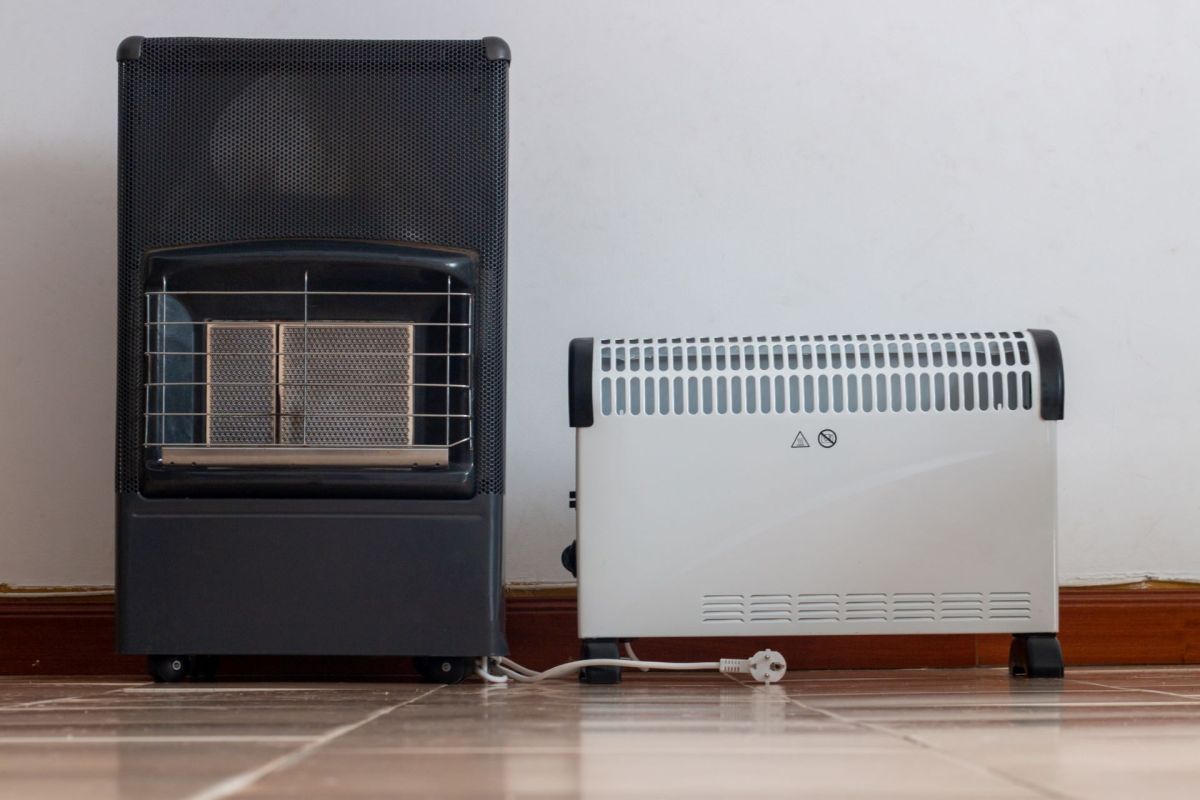
A California homebuyer faced an unexpected hurdle before closing on a house: The wood stove wasn't enough to satisfy their insurer, leaving them searching for an affordable heating system they could install before taking possession.
Obtaining coverage required a thermostat-controlled option, but the buyer hoped to avoid an expensive installation before closing and investing in their preferred system.
Here's what to know
The buyer explained their dilemma on Reddit's r/hvacadvice community.
In their post, the user sought advice on meeting the insurer's requirements with the cheapest, simplest heating installation while awaiting the permanent system they'd already sized up.
"Eventually we want to put in cold climate heat pump mini splits (probably Mitsubishi FX-series) but obviously we wouldn't put that kind of money into the place until we closed escrow," the original poster explained.
They were weighing electric baseboard heaters against a small propane heater, having used a Rinnai unit in another cabin.
Both electricity and propane were available at the property, but natural gas was not.
For buyers comparing eventual replacements, EasyHome is a marketplace offering HVAC shoppers exclusive prices and unique deals from trusted partners. Efficient heating and cooling upgrades can help manage energy expenses and reduce exposure to rising energy prices.
Crushed by your bills? See instant solar savings from vetted installers in just a few clicks With energy prices through the roof, there's never been a better time to go solar — and EasyHome can help you find the best prices from the best installers in your area. EasyHome takes the guesswork and headaches out of energy upgrades by showing you estimated savings from a network of vetted local partners. To get started, just enter your ZIP and share a few details about your home — seeing your estimate is really that easy. |

More background
One commenter favored electric heat as likely the cheapest system to install but noted that the existing wiring and electrical protection would need to be adequate.
"I recommend not installing an unvented propane heater. The insurance company might not want that either," they wrote.
The original poster thanked them for flagging the issue.
Another commenter saw a wiring advantage for mini-splits: Connecting one outdoor disconnect could be less work than running power to baseboard heaters in separate rooms.
The insurer's exact requirements remained unclear, including how much heating capacity it demanded.
Commenters also asked whether protecting pipes from freezing with heat in one room would suffice or whether the whole house had to be heated.
What can be done?
One commenter suggested that the buyer and seller arrange reimbursement if a mini-split was installed before closing, but the overall sale fell through.
The commenter noted that the buyer should also ask the insurer whether a window heat pump or single-zone mini-split would meet its requirements.
For the buyer's longer-term project, EasyHome offers another comparison-shopping route: It works like Groupon for home energy, negotiating special offers for its large audience to give HVAC shoppers unique deals.
It also offers special solar deals. Pairing solar with efficient electric HVAC can increase savings — with battery storage and equipment configured for backup operation, the combination can also provide heating and cooling during outages.
One commenter pointed out that temporary window units could be resold after the original poster closed and was ready to install a permanent system. Another advised laying out the baseboard wiring for reuse when the mini-splits were installed.
The original poster welcomed the recommendation to compare installation requirements before committing to a temporary system.
"I saw the discussion in another comment about this. Sounds like something to run past the electrician and HVAC. Thank you for the insight!"

Get TCD's free newsletters for easy tips, smart advice, and a chance to earn $5,000 toward home upgrades. To see more stories like this one, change your Google preferences here.
Cool Picks