


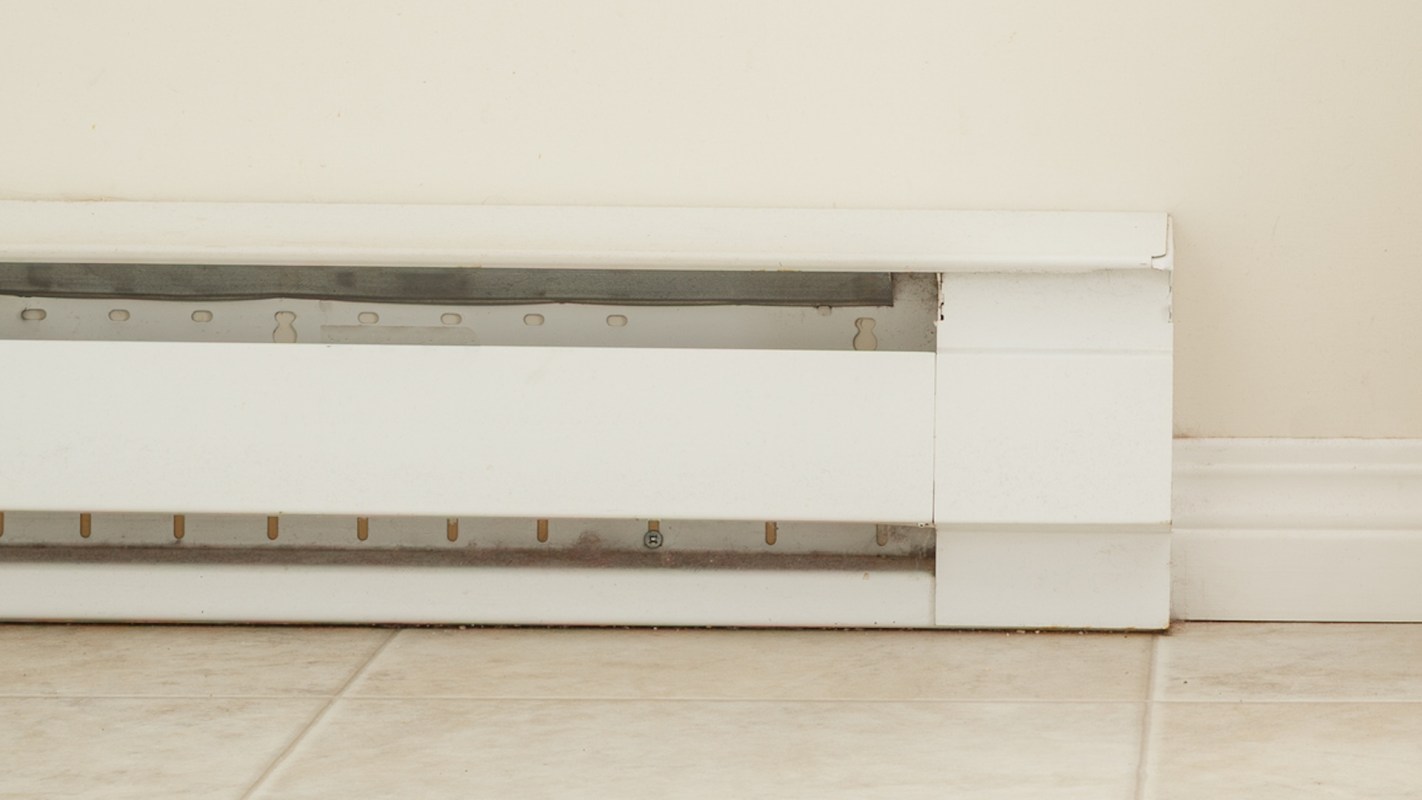
Staying warm with electric baseboards can come at a steep price. A heating cost comparison in Southern Oregon found that operating them costs three times as much as using a ductless heat pump.
Here's what to know
The Grants Pass Tribune based its calculation on electricity at 15.5 cents per kilowatt-hour and a heat pump delivering three units of heat per unit of electricity used. Supplying 10 million BTUs of heat costs $151 with a ductless heat pump or $454 with electric resistance heating.
Wood and pellet stoves cost $170 and $273 to supply the same amount of heat under the comparison's fuel price assumptions. An efficient natural gas furnace costs $156.
Oregon households served by Pacific Power began paying higher residential electricity rates in April, according to the Tribune. Avista Utilities' residential natural gas increase of 8.5% took effect Oct. 31.
For households exploring more efficient equipment to manage bills and exposure to higher rates, EasyHome is a marketplace connecting HVAC shoppers with unique prices and exclusive deals from trusted partners.
More background
According to the Tribune, mini-splits move heat into a home rather than convert electricity into heat as baseboards, space heaters, and electric furnaces do. Under suitable conditions, a mini-split typically supplies two to four units of heat for every unit of electricity it consumes.
That efficiency can make them a good fit for communities with moderate climates, such as Grants Pass and Medford. Prolonged freezing conditions at high elevations and in the Klamath Basin can reduce performance, though models built for cold climates are designed to work at low temperatures.
Upfront costs also matter. Installing a system can require an investment of thousands of dollars.
Crushed by your bills? See instant solar savings from vetted installers in just a few clicks With energy prices through the roof, there's never been a better time to go solar — and EasyHome can help you find the best prices from the best installers in your area. EasyHome takes the guesswork and headaches out of energy upgrades by showing you estimated savings from a network of vetted local partners. To get started, just enter your ZIP and share a few details about your home — seeing your estimate is really that easy. |

With a 70% efficient stove, wood priced at $170 per cord delivers the comparison's benchmark amount of heat for $152. Paying $300 for a cord brings that heating expense to $268.
Moisture, wood species, seasoning, and delivery all affect the cost.
Pellet stoves offer the convenience of automatic feeding and thermostat control, but they still need electricity to run their augers and fans. Operating most models through a power outage requires a backup electricity supply.
What can be done?
Before replacing heating equipment, households can take steps to keep warmth inside. Sealing doors, adding effective weatherstripping, and improving attic insulation can reduce heating demand.
A well-insulated, 1,200-square-foot home may use substantially less energy than a similarly sized house with major air leaks, according to the Tribune.
For those comparing replacement systems, EasyHome works like Groupon for home energy, negotiating special offers for its large audience and giving HVAC shoppers access to unique deals. It also offers special solar deals. Pairing an efficient electric HVAC unit with solar can increase savings; with a battery backup, the combination can also provide heating and cooling during outages.
A space heater can reduce spending when the thermostat is lowered and only an occupied room is heated.
Wood stove users can prioritize legally obtained, seasoned fuel while keeping up chimney cleaning, disposing of ashes safely, and following local smoke restrictions.
The Tribune put the utility's estimated monthly natural gas bill at $74.47 for 45 therms after the Oct. 31 rate change, up from $68.64.

Get TCD's free newsletters for easy tips, smart advice, and a chance to earn $5,000 toward home upgrades. To see more stories like this one, change your Google preferences here.






