


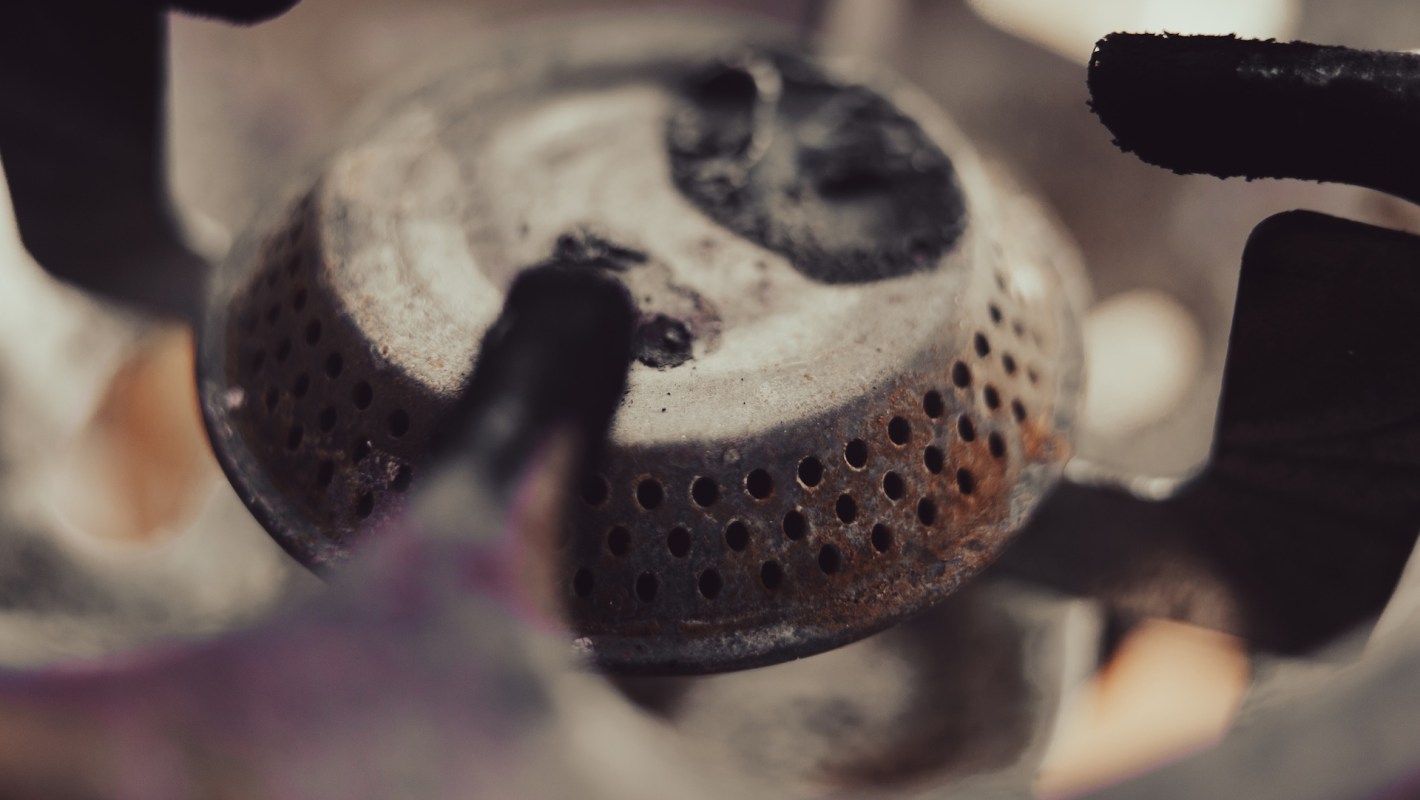
While a winter blackout can leave homeowners searching for ways to stay warm, bringing outdoor cooking equipment inside can turn a heating emergency deadly.
Grills and camp stoves can fill enclosed rooms with carbon monoxide, an invisible, odorless gas that poses a serious threat to people and pets.
Here's what to know
Carbon monoxide displaces oxygen in the blood, which can lead to injury or death. Grills, camp stoves, and improperly vented fires pose particular risks when used for indoor heating, House Digest warned.
Outdoor propane patio heaters also produce carbon monoxide through combustion. Without enough airflow, they can become unsafe even in tents or covered patios. Gas-powered generators pose a similar threat, releasing enough carbon monoxide that opening windows or running fans cannot make them safe to operate indoors. A gas stove or oven should never be used to heat a home, either.
For households concerned about power outages, rooftop solar panels with battery systems are an effective solution to provide backup power. Meanwhile, solar leases can also save hundreds of dollars on monthly bills with no upfront costs. EasyHome's marketplace connects solar shoppers with unique prices and exclusive deals from trusted partners.
More background
Using a natural gas or propane furnace does not guarantee heat during a blackout. Many combustion furnaces still require electricity for ignition and other operating components, so an outage can leave even homes with these systems in the cold. Although these furnaces also produce hazardous fumes, a properly functioning furnace keeps combustion contained and directs dangerous gases outside through vent pipes during normal operation.
When it comes to providing heat and light during an outage, House Digest warned that grouping several candles in a terracotta or clay pot heater can cause flames to flare suddenly. A pot with imperfections can also break apart when heated, scattering hot ceramic fragments.
In addition to the risk, such pot heaters do little to alleviate the cold. The candles supply all the warmth, while the pot only redistributes it. Heating a small room requires 1,000 to 1,500 watts, far more than the 30 to 40 watts a tea light produces, according to House Digest.
Crushed by your bills? See instant solar savings from vetted installers in just a few clicks With energy prices through the roof, there's never been a better time to go solar — and EasyHome can help you find the best prices from the best installers in your area. EasyHome takes the guesswork and headaches out of energy upgrades by showing you estimated savings from a network of vetted local partners. To get started, just enter your ZIP and share a few details about your home — seeing your estimate is really that easy. |

What can be done?
Fireplaces should only be used if they are safe to operate, and generators must stay outside, away from doors, vents, and windows. Your home also needs carbon monoxide detectors to alert you if the gas reaches dangerous levels.
To retain warmth without burning fuel indoors, wear layers, gather in a room that receives winter sunlight, and close doors to unused rooms. Covering windows with plastic film and placing draft stoppers or rolled-up clothing in gaps at doors can also help block drafts.
For future outages, EasyHome offers another energy resilience option. It can negotiate unique solar panel offers for its large audience, almost working like Groupon for home energy. Meanwhile, its special battery deals can help homeowners pair solar with storage, which can increase savings and provide backup power during blackouts.
For lighting during power outages, the U.S. Fire Administration advises using flashlights rather than candles. If candles are necessary, place them in sturdy holders away from combustible materials, and never leave them unattended.
According to House Digest, fire departments across the U.S. respond to 7,400 residential fires sparked by candles annually, emphasizing the importance of keeping flashlights or electric lanterns accessible before a winter storm leaves homes without power.

Get TCD's free newsletters for easy tips, smart advice, and a chance to earn $5,000 toward home upgrades. To see more stories like this one, change your Google preferences here.






