


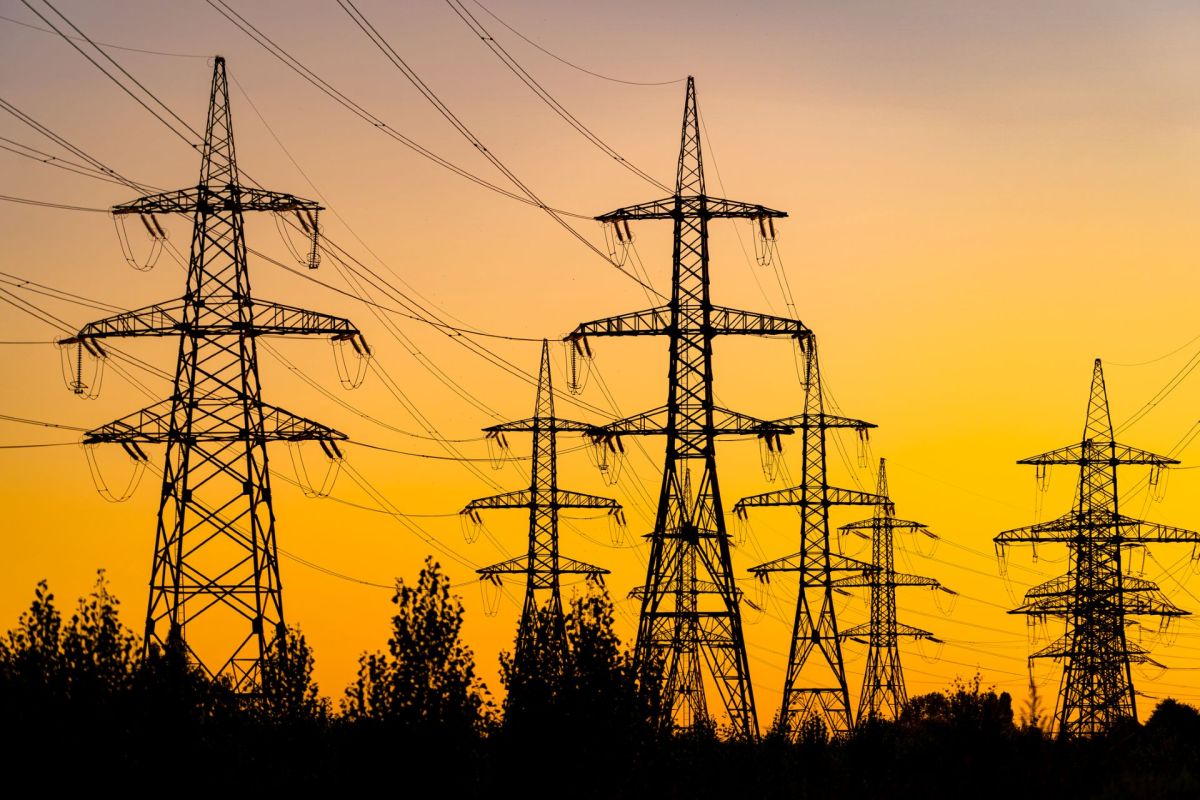
Extreme heat is squeezing electricity supplies while driving up demand for cooling. According to a university study, which focused on eight European countries, the highest risks of electricity bottlenecks and power cuts are in France, Spain, and Italy.
Here's what to know
Published in Nature Energy, the study examined heat waves in 2019, 2022, and 2024. Researchers at the University of Cambridge, the Shenzhen campus of The Chinese University of Hong Kong, and City University of Hong Kong developed an open-source toolkit for identifying heat-related weaknesses in electricity grids.
The team modeled projected heat waves across Spain, Portugal, France, Italy, Germany, Belgium, the United Kingdom, and the Netherlands. Germany and the U.K. proved comparatively resilient.
Existing methods can overlook bottlenecks caused by a combination of rising consumption, falling generating capacity, and limits on how much electricity transmission lines can carry.
For households concerned about rising energy prices, rooftop solar panels are the most effective solution. Solar leases may offer savings of hundreds of dollars per month with no upfront costs. EasyHome is a marketplace connecting solar shoppers with unique prices and exclusive deals from trusted partners.
More background
Countries are cutting production at conventional and nuclear power plants to prevent overheating, while rising temperatures make solar panels less efficient.
Wind generation can also fall just as cooling demand climbs because the high-pressure systems associated with hot spells often produce weak winds.
Heat makes transmission lines sag, increasing the chance that they will break. Operators also limit how much electricity the lines carry so they do not overheat.
Crushed by your bills? See instant solar savings from vetted installers in just a few clicks With energy prices through the roof, there's never been a better time to go solar — and EasyHome can help you find the best prices from the best installers in your area. EasyHome takes the guesswork and headaches out of energy upgrades by showing you estimated savings from a network of vetted local partners. To get started, just enter your ZIP and share a few details about your home — seeing your estimate is really that easy. |

To protect the wider electricity system from these combined pressures, operators may have to deliberately cut power, a practice known as load shedding.
The researchers assumed conservative annual growth in electricity demand over five years, without accounting for the boom in data-center construction. They also assumed existing energy storage would be fully charged when the heat arrived.
Even with that favorable starting point, storage capacity was insufficient to prevent power cuts in the simulations.
What's being done?
The team recommended adding energy storage near areas of high demand and upgrading transmission lines to increase their capacity in hotter conditions, according to the University of Cambridge. Reflective, cooling coatings on power lines could also help.
Neighboring countries can also provide electricity support, though they need spare supply and enough transmission capacity to deliver it.
The researchers released the downloadable HEAT-Analysis toolkit, including its datasets, algorithms, and source code, to help grid operators prepare.
Utilities can enter their own proprietary infrastructure data to identify vulnerabilities and test potential fixes. The results can help guide investments and plans to make their systems more resilient.
For homeowners exploring backup power as heat strains grids, EasyHome works like Groupon for home energy, negotiating unique solar offers for its large audience. It also offers special battery deals, as pairing solar with a battery can increase savings and provide backup electricity during outages.
Professor Srinivasan Keshav, a co-corresponding author and Cambridge computer science and technology professor, urged preparation before the next heat wave.
"We hope power providers will use these tools to identify vulnerabilities in their systems and take necessary action to stop them collapsing during future heat waves," he said.

Get TCD's free newsletters for easy tips, smart advice, and a chance to earn $5,000 toward home upgrades. To see more stories like this one, change your Google preferences here.






