


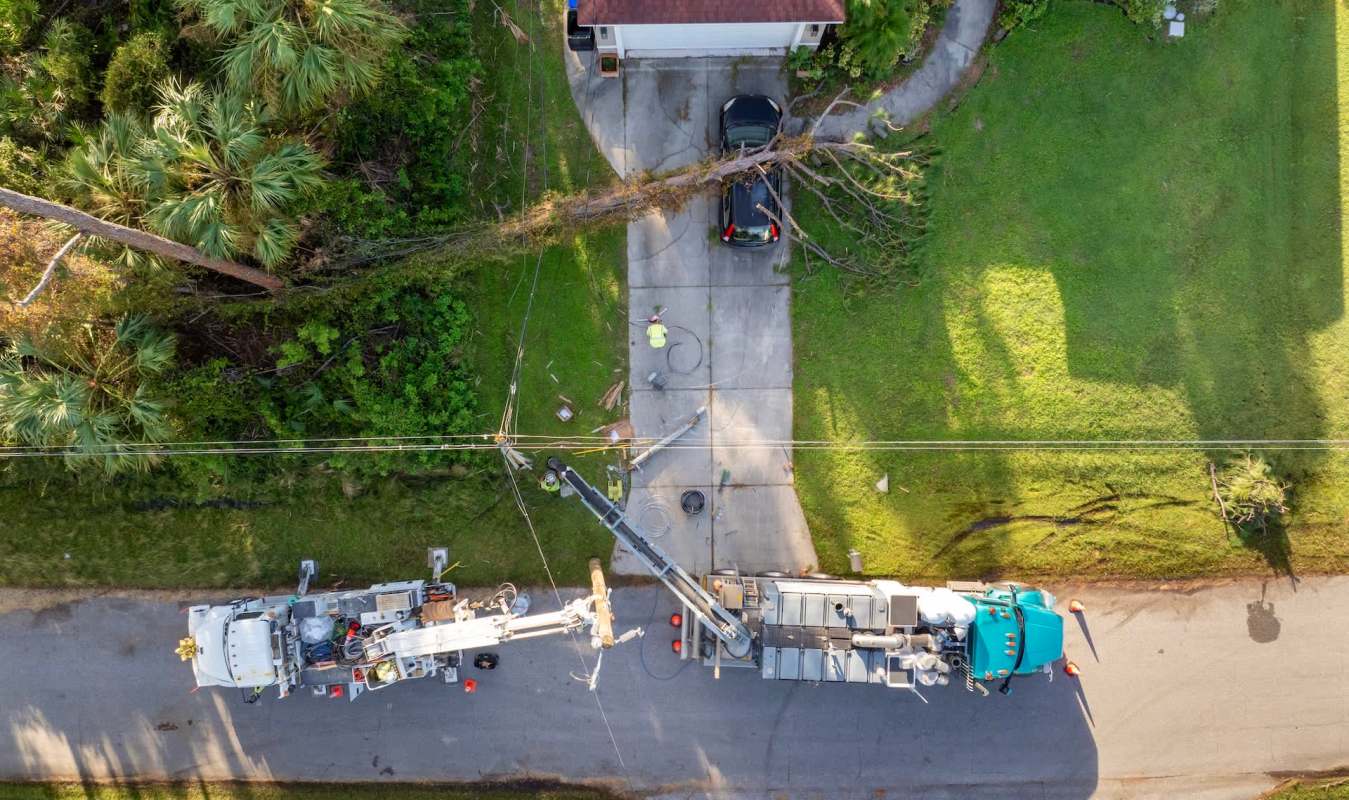
Florida power customers paid more than $1.4 billion to cover damage from 2024 storms, even as utilities continued to rely heavily on natural gas, a fuel that has contributed significantly to the warming climate and made extreme weather events more destructive.
Here's what to know
Customers of at least 23 utilities across 18 states were being billed for extreme weather repairs or projects to protect the grid against future events, according to a Climate Action Campaign review reported on by WUSF.
Duke Energy Florida's recovery charges for the 2024 storms, including Hurricane Debby, totaled more than $1 billion for customers. Similarly, Tampa Electric customers paid more than $400 million for damage from Hurricanes Helene and Milton.
Gabrielle Levy, Climate Action Campaign's senior communications director, named Duke Energy, Tampa Electric, and Florida Power & Light among the utilities with inadequate clean energy goals, per WUSF. In all, she said, 18 of the utilities reviewed fell short.
"They are refusing to help to solve the problem that is causing the damage in the first place," Levy said, per WUSF.
More background
Despite plans to expand solar generation, natural gas has remained the primary fuel for Florida utilities. Burning natural gas produces planet-warming pollution.
TCD Picks » Quince Spotlight
💡These best-sellers from Quince deliver affordable, sustainable luxury for all




Levy linked storm damage to rising costs for healthcare and everyday needs, not just electricity. Those costs have deepened a broader affordability crisis for households already dealing with higher power bills. For Florida residents, these factors have made climate change a daily reality rather than an abstract concern.
"Climate change is not only part of the story here for Floridians," Levy said. "Every single day they are experiencing these storms, they are experiencing damage, they are experiencing high tide flooding if they live along the coast."
Levy added that Floridians also face climate-related increases in heat and humidity, as well as a growing mosquito population.
"These are climate-driven extreme weather [events] that are getting worse than they used to be," she said.
What's being done?
Levy saw tax credits and incentives as a way to help utilities and individuals switch to renewable energy. While many federal incentives have been slashed, she hoped Congress would restore them.
"The people who are having to pay for these increases are not responsible for why extreme weather is getting worse," she said. "People are really struggling."

Get TCD's free newsletters for easy tips, smart advice, and a chance to earn $5,000 toward home upgrades. To see more stories like this one, change your Google preferences here.






