


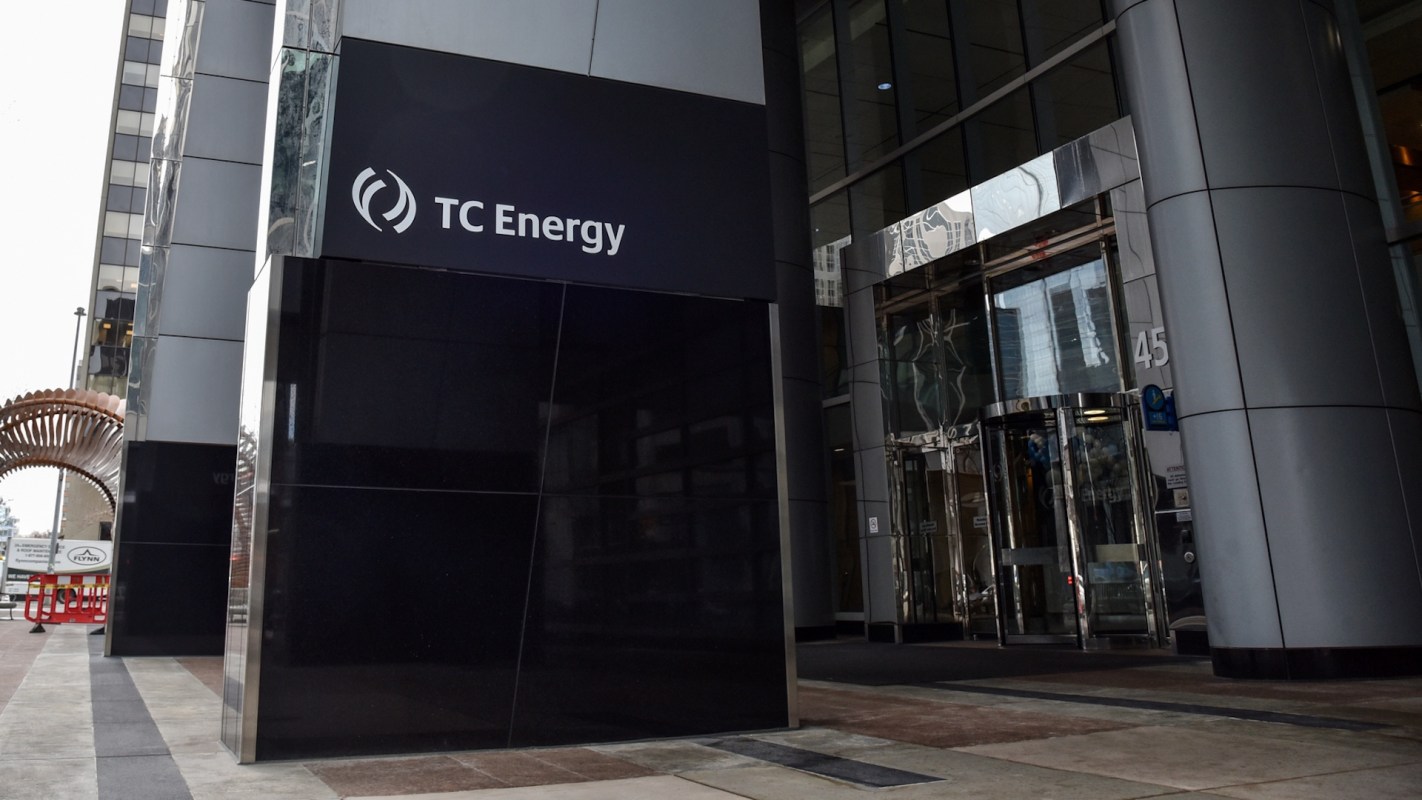
TC Energy expects demand on its Alberta network to rise by roughly 25% by 2031. In response, the company is proposing an approximately 230-mile (370-kilometre) natural gas pipeline across the province.
Here's what to know
The Calgary-based company wants to create a direct route for Western Canadian gas supplies to Alberta's oilsands through its NOVA Gas Transmission Ltd. system, according to Global News. The proposed Alberta Growth Connector would run from west to east.
The pipeline is one component of a broader expansion proposed for NGTL, a network extending across Alberta and into northeastern British Columbia. The 48-inch-diameter line would initially be able to transport 1 billion cubic feet of gas a day.
TC Energy has raised its forecast for 2031 network demand by 1.5 billion cubic feet per day from its 2025 projection. It expects daily demand to reach 18 billion cubic feet.
Oilsands operations, electricity generation, and data centers are expected to account for more than 60% of the projected increase, according to TC Energy.
More background
Alberta is pursuing two goals that could substantially increase its gas consumption: attracting data centers and doubling provincial oil output.
TCD Picks » Quince Spotlight
💡These best-sellers from Quince deliver affordable, sustainable luxury for all




Expanding oilsands operations would require additional natural gas to power production. The province also requires data center developers to supply their own electricity to keep added demand off the provincial grid.
Many of those proposals include adjacent power plants, creating another potentially substantial source of gas demand.
Fossil fuel extraction, production, and burning generate heat-trapping pollution that worsens extreme weather disasters, threatening homes, livelihoods, and local economies. According to Global News, the industry's air and water pollution also contributes to asthma, heart disease, cancer, and premature death.
Dependence on fossil fuels can also expose households to high energy costs while producers collect large profits.
What's being done?
TC Energy's growth plan could include more compressor units and pipeline loops to move more gas through the existing system, according to Global News. The company's investment in NGTL exceeds $15 billion.
Before the proposed expansions can proceed, they still require customer backing, consultation with rightsholders and stakeholders, regulatory approval, and authorization within the company.
An Alberta cabinet document leaked in September questioned whether NGTL could accommodate emerging demand, describing TC Energy's regional dominance as a "market failure." The company responded by calling for cooperation among government, industry, customers, and regulators.
Holding the Alberta expansion accountable requires scrutiny of industry lobbying that delays cleaner, cheaper energy. Prioritizing workers and communities in a fossil fuel phase-out helps protect health, affordability, and resilience.
TC Energy chief executive François Poirier outlined the company's investment criteria.
"Our approach is deliberate and disciplined: leverage our existing infrastructure, align investment with customer commitments and advance projects that meet our risk and return requirements," he said in a statement, shared by Global News.

Get TCD's free newsletters for easy tips, smart advice, and a chance to earn $5,000 toward home upgrades. To see more stories like this one, change your Google preferences here.






