


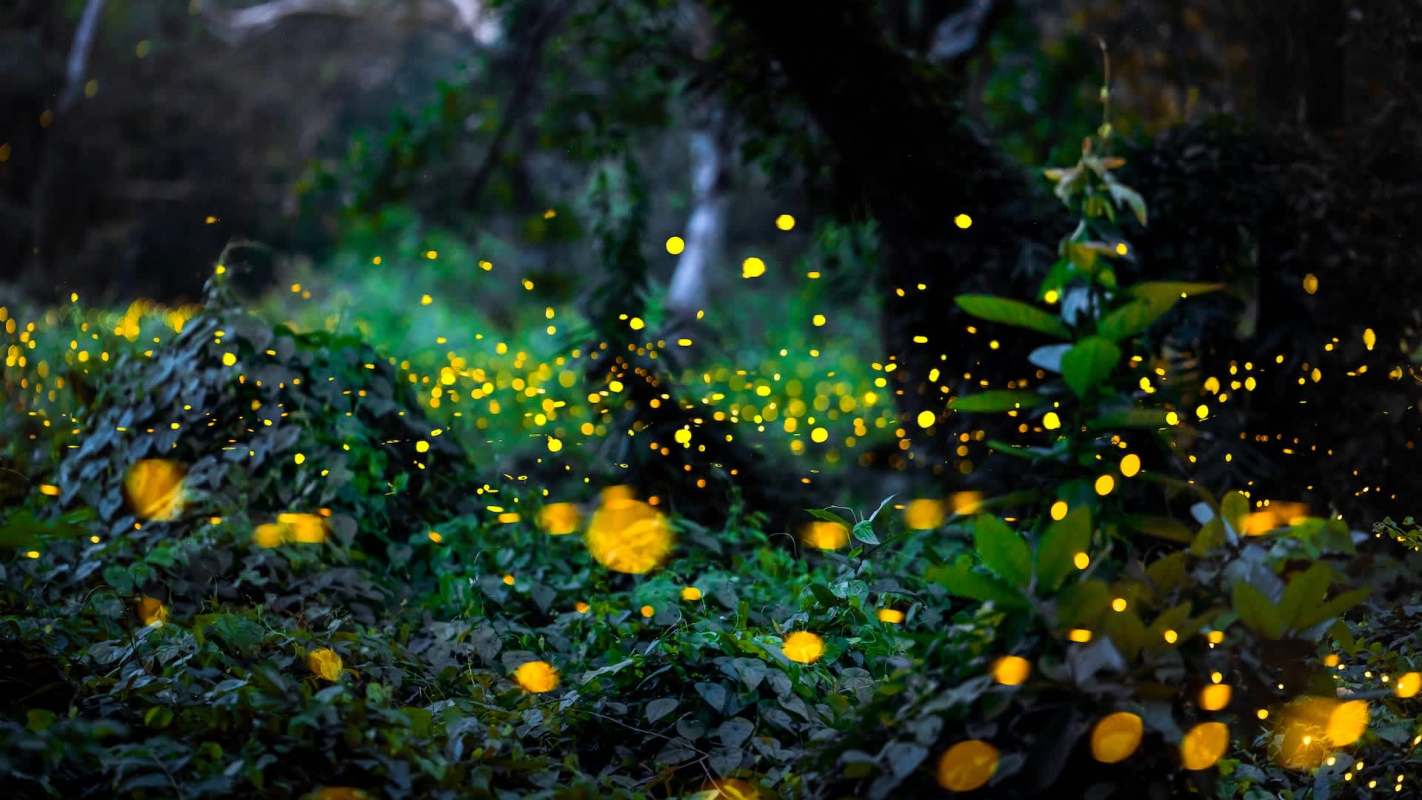
A firefly species that was lost to time has reappeared. Citizen scientists and entomologists were on the hunt to document its return.
The species was last recorded in 1983.
Here's what to know
A 2026 sighting at Delaware's Brandywine Creek State Park was the state's first account of the similar firefly (Pyractomena similis), according to Mongabay. It was one of three sightings this year; the other two were in Virginia.
Two nearby populations were found in Virginia only two weeks apart. The initial sighting came May 15, when an observer saw males flashing above a meadow and posted the observation on the community science platform iNaturalist.
Firefly Species Lost to Science for Over 40 Years Rediscovered In a Nature Preserve in Delaware https://t.co/wYg46t5TWe
— People Pets (@PEOPLEPets) October 24, 2026
Christopher Heckscher, an entomologist and ecologist at Delaware State University, identified the species in Delaware in June. The firefly's distinctive signals helped him distinguish the species.
"The amber color of the flash and the long rhythmic pattern did not match any other firefly I was familiar with in this region," Heckscher said in a news release. "I was confident I had found the species the moment I saw the flash pattern."
TCD Picks » Quince Spotlight
💡These best-sellers from Quince deliver affordable, sustainable luxury for all




Heckscher was in a meadow with brush, shrubs, and low-growing vegetation when he made the observation.
More background
Many firefly species are underdocumented, and species without a confirmed sighting in at least a decade account for 16% of the known native fireflies in Canada and the United States.
A Journal of Lost Species paper co-authored by Heckscher identified 28 such species. According to the study, the International Union for Conservation of Nature's Red List treats 69 species as data deficient, while 48 others remain unevaluated.
A 2021 assessment of 132 species published in PLOS One found that at least 18 faced an extinction threat.
Habitat loss, pesticide use, water pollution, invasive species, and artificial light all threaten these insects. Roughly three in four firefly species are active at night and use flashing signals to locate mates, with some requiring total darkness to mate.
What can be done?
Nine firefly species have been rediscovered through targeted surveys and people documenting nature. Experts identified several by examining iNaturalist submissions.
Habitat loss for fireflies doesn't always look like a concrete parking lot or a factory; mowing a field can do damage.
Leaving leaf litter in place, mowing less, and replacing lawns with native plants can preserve firefly habitat. Reducing pesticide use and allowing snails and slugs to remain also protects a food source for firefly larvae, which can live up to two years.
Turning off unnecessary outdoor lights and closing blinds at night helps maintain the darkness these insects depend on. These steps can also benefit other insects in yards and shared green spaces.
Anna Walker, a study co-author and invertebrate species survival specialist at the New Mexico BioPark Society, emphasized the potential for more discoveries.
"If we can devote a few resources to surveys for these species," she said, "we will likely be able to rediscover the vast majority of them."

Get TCD's free newsletters for easy tips, smart advice, and a chance to earn $5,000 toward home upgrades. To see more stories like this one, change your Google preferences here.







