


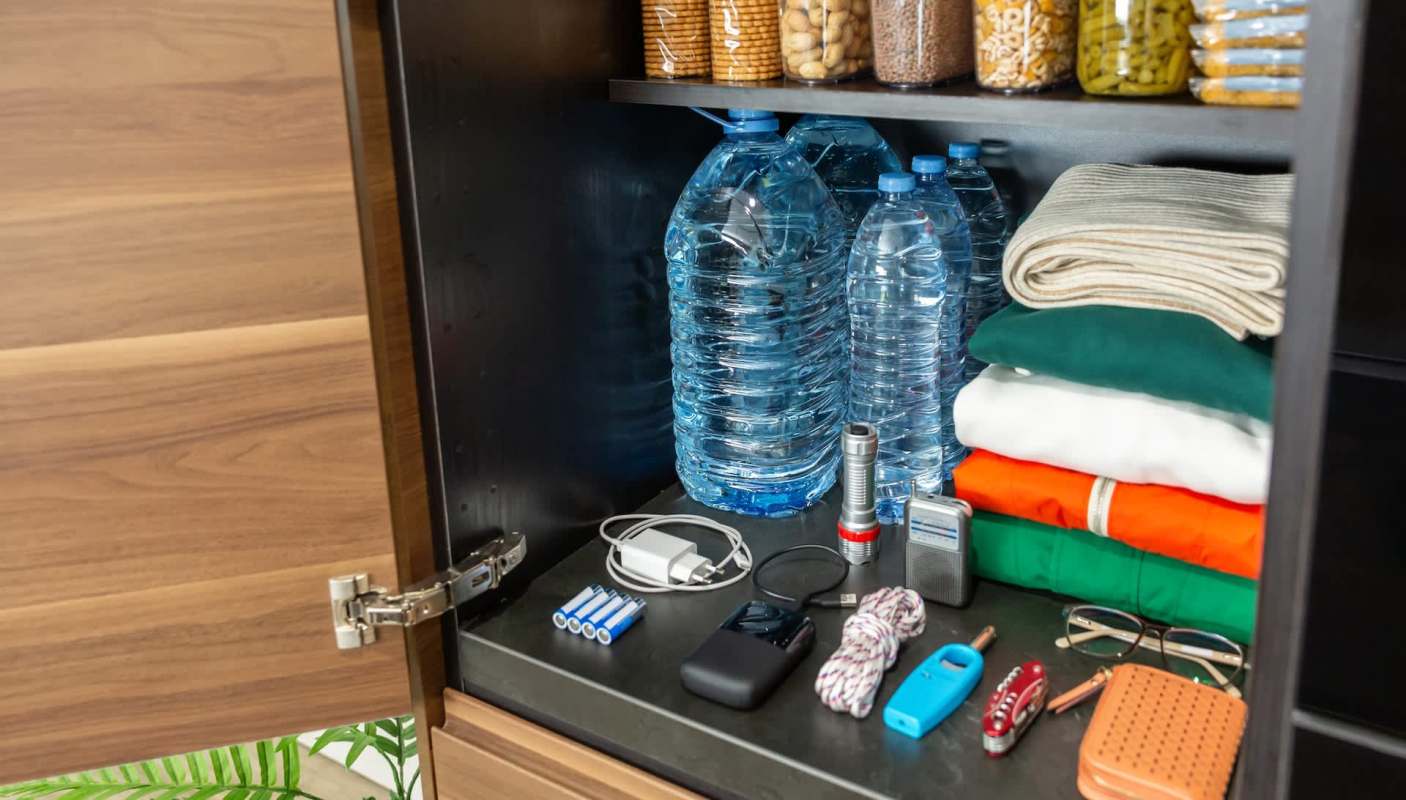
Emergency supplies can provide a crucial lifeline after an earthquake, but accessing them may be difficult if the home itself is damaged.
In a Reddit discussion about earthquake preparation, people who had lived through California quakes shared how they secure supplies indoors and why they keep some essentials outside.
Here's what to know
The conversation began in r/TwoXPreppers, where a resident of the Cascadia megathrust earthquake zone asked how to protect food stored in various containers. The original poster noted that they lived outside the tsunami inundation zone.
"I think my shelves are sturdy enough but what's to stop everything from flying off, breaking, and becoming unusable?" the OP asked.
One commenter offered an outdoor storage option from their childhood in California: a sealed garbage can. Their household used it to store digging tools and a couple of days' supplies.
More background
One commenter who lost their home near the epicenter of the 1989 Loma Prieta earthquake recalled how much the damage varied within their neighborhood. Homes two blocks away sustained only superficial damage, but a neighboring two-story house shifted about 8 feet off its foundation. The commenter described their own home as "a pile of sticks in a sinkhole."
TCD Picks » Quince Spotlight
💡These best-sellers from Quince deliver affordable, sustainable luxury for all




The survivor said power, gas, and water were unavailable for weeks. They also had no shoes, identification, or glasses, and about a week passed before they had clothes that fit.
Another commenter said they prepared for the possibility of having to leave home in the middle of the night. They had experienced the Northridge earthquake before moving to the Pacific Northwest.
Their family's extra clothes, glasses, and shoes are stored outside in a deck box in the yard. The box also holds a tent, food, and flashlights.
What can be done?
For supplies stored indoors, commenters suggested anchoring shelves to walls and adding things like railings or cupboard-door latches to help keep food in place. One suggestion was to fasten a shelf to the wall with webbing looped around a rear post.
Several replies also highlighted the risks posed by glass containers. Suggestions included moving fragile items to lower shelves and using floor-level storage boxes.
Keeping stairs accessible was another concern. One commenter warned that a fallen mirror could leave broken glass in the way.
The Loma Prieta survivor also described how neighbors helped when utilities were unavailable: "The guy on our street with a BBQ and a generator basically had the whole neighborhood camping in his yard. Those folks were honestly some of the best people I've ever met."
Where can I learn more?
Earthquake supplies need to be accessible if you have to leave home suddenly or utilities are knocked out.
• A renter lost time during a fire alarm grabbing medication already packed in a go bag.
• A Los Angeles parent weighing earthquake evacuation meeting spots received blunt advice to get out first.
• A parent worried about reaching their teen during outages received advice on school emergency backup plans.

Get TCD's free newsletters for easy tips, smart advice, and a chance to earn $5,000 toward home upgrades. To see more stories like this one, change your Google preferences here.






