


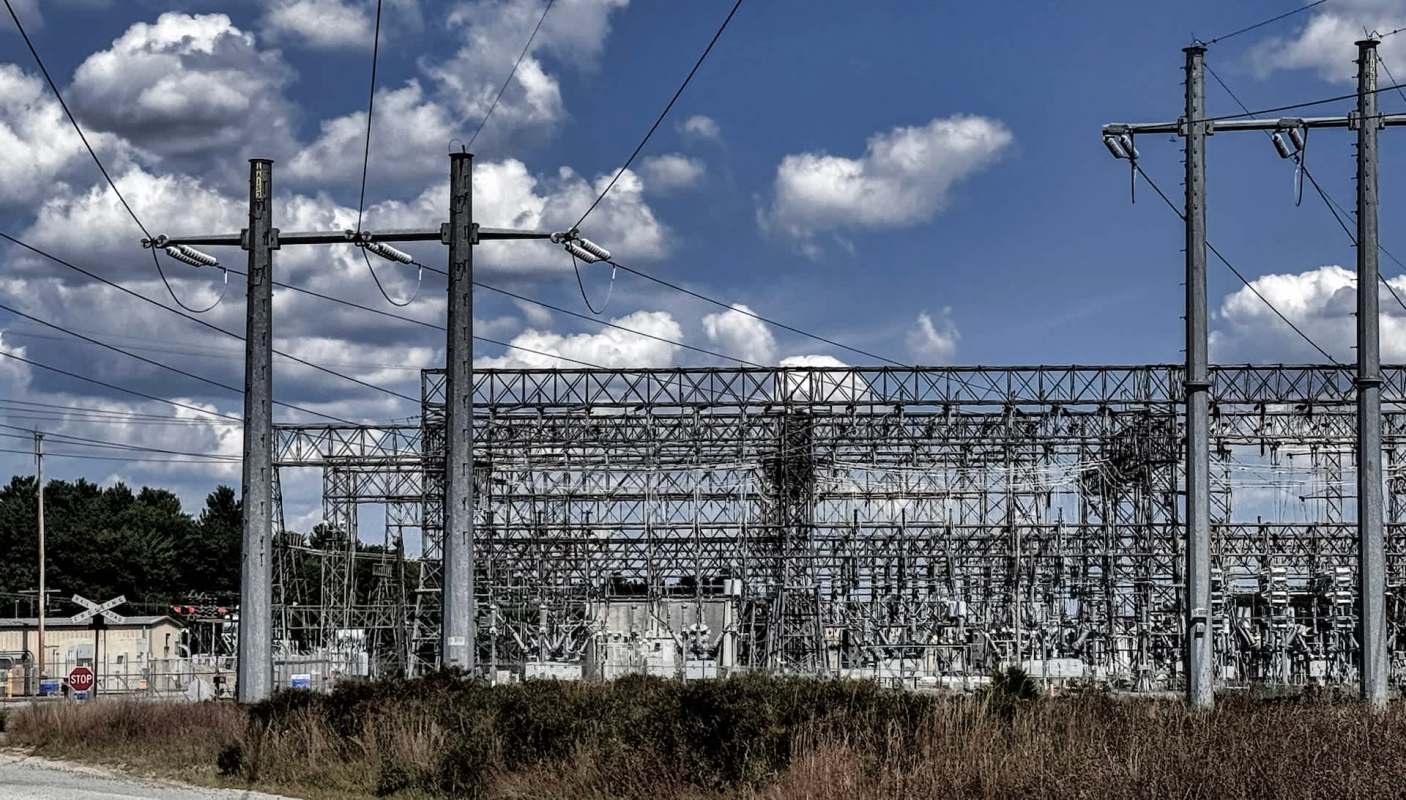
New England's power grid may have to burn expensive oil when cold weather hits, threatening another increase in Massachusetts' already steep household electricity bills, the CommonWealth Beacon reported.
Here's what to know
Massachusetts has the fourth-highest level of energy insecurity among lower-income people, who struggle to cover essential expenses.
Residents' energy bills have increased by an average of 38% since 2020.
The challenge stems partly from competing demand for natural gas, which supplies roughly half of New England's electricity and heats half of Massachusetts homes, per the CommonWealth Beacon.
When temperatures drop and gas becomes expensive, some power generators turn to oil. High oil prices, however, could make that backup particularly costly.
During a January-February cold snap, oil's share of electricity generation sometimes exceeded 40%, compared with 28% for the winter overall.
TCD Picks » Quince Spotlight
💡These best-sellers from Quince deliver affordable, sustainable luxury for all




ISO New England, the regional grid operator, expects peak demand to rise slightly from last winter, which CommonWealth Beacon described as the region's coldest in 20 years.
More background
About one-quarter of Massachusetts customers receive their electricity supply directly from utilities through "basic service."
Utilities buy that power through six-month contracts approved by the state Department of Public Utilities, meaning winter oil costs would likely first affect those customers in the cycle beginning in February.
Another 1.4 million customers, representing about half the state's customers, get their power through municipal aggregation programs, as indicated in state data cited by the CommonWealth Beacon.
These programs secure electricity with contracts lasting 12, 24, or 36 months, potentially protecting households from price spikes until those contracts are renewed.
The supply charge accounts for roughly a third of the total electric bill. Oil-fired electricity releases more than twice the carbon pollution of gas-fired generation.
While brief reliance on oil might barely register on household bills, a sustained period of expensive generation could have a larger impact, according to Dan Dolan, president of the New England Power Generators Association.
What's being done?
The completed Revolution Wind and Vineyard Wind offshore projects offer new generating capacity that could reduce reliance on oil.
Equipment failures or unexpected cold could still strain the grid, even though forecasts for a milder winter suggest some relief.
Massachusetts lawmakers are negotiating energy affordability legislation intended to lower bills and address supply shortages, the outlet noted.
A major sticking point is Mass Save, an energy-efficiency program funded through utility bill fees. The House approved a $1 billion cut, while the Senate's version included no cut.
Eversource, the state's largest utility, warned that both bills could increase costs.
According to the Department of Public Utilities, customers in those programs saved $25 million over two years compared with basic service rates.
Kyle Murray, who directs Massachusetts programs for the environmental nonprofit Acadia Center, called for a longer-term approach to protecting customers.
"This just reemphasizes the work that needs to be done to accelerate the clean energy movement so that we are able to insulate ourselves from these price spikes," Murray stated.
Where can I learn more?
The prospect of costlier winter electricity bills adds to Massachusetts residents' concerns about energy costs. These stories cover gas pipeline proposals and potential bill savings.
• Massachusetts is pushing for faster gas pipeline reviews as high energy bills strain households.
• A pipeline upgrade could cut winter energy bills by an estimated $367 million.
• Massachusetts energy legislation promises billions in potential savings, but ratepayers remain skeptical about relief.

Get TCD's free newsletters for easy tips, smart advice, and a chance to earn $5,000 toward home upgrades. To see more stories like this one, change your Google preferences here.






