


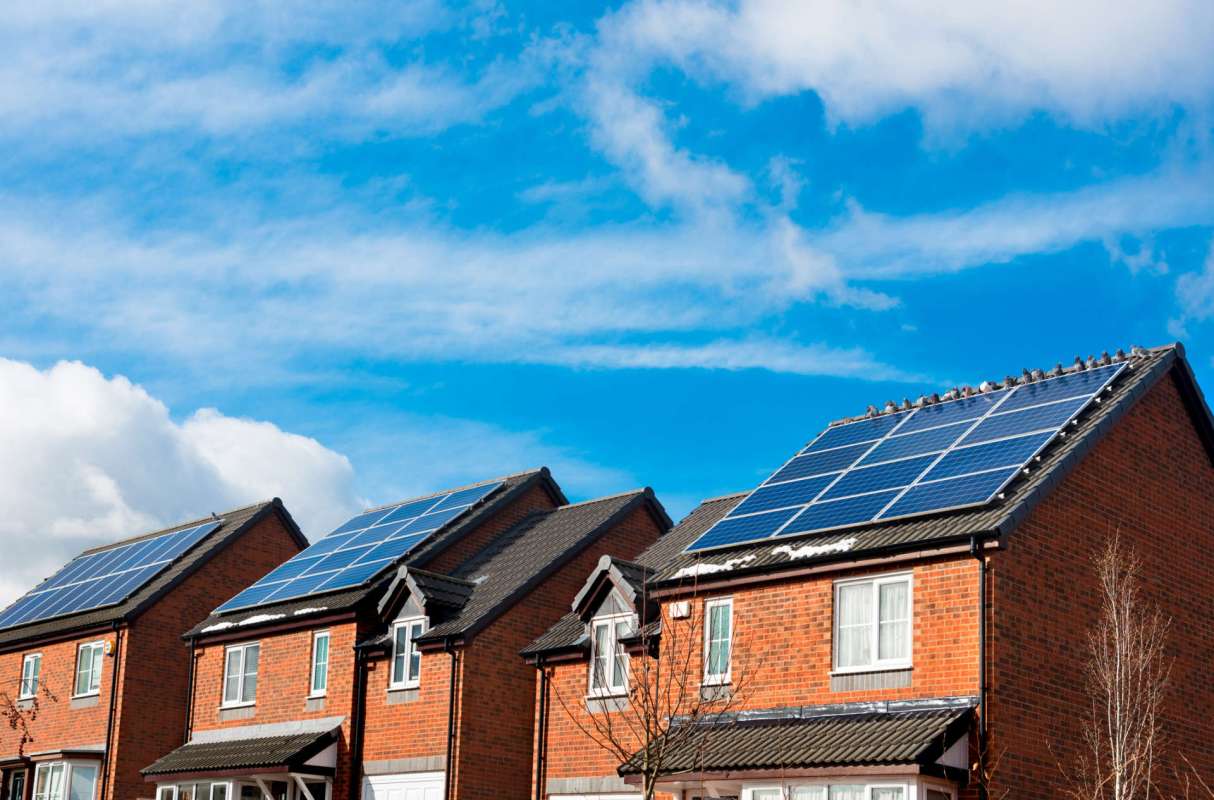
A household in the United Kingdom saw its 12 rooftop solar panels generate just 2.4 kilowatt-hours of electricity on an overcast day on Nov. 5, leaving the home to import another 20.6 kWh from the grid, its owner told Euronews.
Here's what to know
Higher heating demand in Northern Europe coincides with the usual October-to-February window for weak winds and limited sunlight.
Europe calls these periods "dunkelflauten," or dark lulls, which Euronews described as "an extended period when wind and solar power generation are low or non-existent because there is not enough wind or sunlight."
Solar's share of European Union electricity generation dropped from 25.4% in June to 13.2% in October. Greater dependence on expensive, polluting natural gas generation is a risk when dark lulls persist.
Cold weather alone does not prevent solar panels from producing electricity.
The panels need daylight, not heat, and green energy supplier Good Energy says winter can account for roughly one-quarter to just over one-third of a UK home solar system's yearly generation.
The value of the panels, then, must be viewed as a cumulative process, and that's especially true where a grid supplier allows for full net metering or the home has a battery installed, as each allows a home to "bank" surplus electricity from panels on sunny days and take advantage at night or on cloudier days.
Despite seasonal dips like this homeowner's, residential solar can lower electricity costs, and $0-upfront solar leases can save households hundreds of dollars per month. EasyHome offers a free explorer tool to estimate your potential savings and find vetted local installers.
Crushed by your bills? See instant solar savings from vetted installers in just a few clicks With energy prices through the roof, there's never been a better time to go solar — and EasyHome can help you find the best prices from the best installers in your area. EasyHome takes the guesswork and headaches out of energy upgrades by showing you estimated savings from a network of vetted local partners. To get started, just enter your ZIP and share a few details about your home — seeing your estimate is really that easy. |

More background
The homeowner, who asked Euronews to remain anonymous, said their 6.36-kilowatt rooftop system generated 10.90 kWh on Nov. 4.
Their household imported another 27.40 kWh from the grid that day.
According to Bloomberg forecasts cited by Euronews, day-ahead electricity prices in Germany for Oct. 29 topped €300 ($337) per megawatt-hour, around double the month's average.
Evening hourly prices surpassed €500 ($560).
Energy think tank Ember found that heatwaves pushed electricity demand up as much as 28% in Italy and 23% in Hungary, per Euronews. Fortunately, the hottest days are typically also the sunniest days, allowing homes with solar to keep up much better.
France and Hungary averaged 17% more daily solar generation during those heatwaves than during the remaining days of June and July.
What can be done?
The household already uses an 11.52-kWh battery, charging it overnight on an off-peak tariff and drawing on stored power during higher-use daytime hours.
For homeowners weighing a similar setup, EasyHome also offers battery storage exploration options. Pairing solar with a backup battery can lower electricity costs and supply backup power during outages, with performance depending on available energy and system capabilities.
European Union hydropower generation began rising in October 2025.
A separate Ember analysis found that, during the hot spell, a typical United Kingdom rooftop system produced enough power for five hours of daily air-conditioning use.
"It's extremely disheartening to see we're importing so much energy when we have spent thousands on a solar system. However, we know that the panels will start to perform better when the clouds clear," the panel owner told Euronews.
Where can I learn more?
Other UK solar owners have also seen their panels produce less electricity during cloudy weather and winter. These stories explore rainy day output, battery use, and how winter sunlight affects panels.
• A UK solar owner saw how dark skies affect panel output during rainy weather.
• A UK homeowner disappointed by winter solar output received advice to embrace battery storage.
• UK households using 5-kWh batteries in winter still need grid electricity on most nights.

Get TCD's free newsletters for easy tips, smart advice, and a chance to earn $5,000 toward home upgrades. To see more stories like this one, change your Google preferences here.
Cool Picks






