


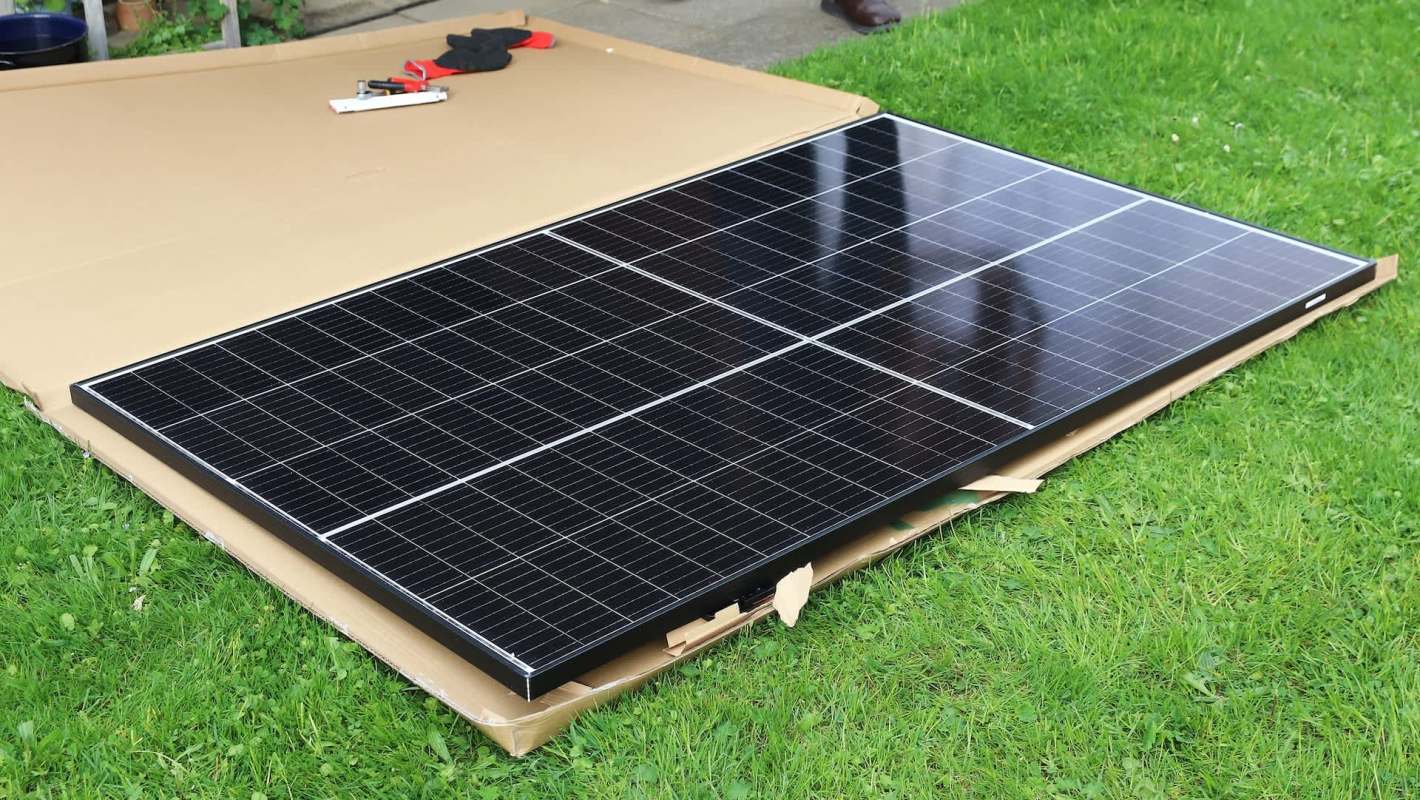
A Massachusetts solar program could cut household energy expenses by one-fifth for low-income households, but the Environmental Protection Agency canceled the funding.
The state has taken legal action against the agency.
Here's what to know
Massachusetts' $156 million award is part of the $7 billion federal Solar for All initiative, whose grants remain in limbo, according to WBUR. The EPA rescinded the grants when it ended the program in August 2025.
Gov. Maura Healey's administration said 31,000 disadvantaged and low-income households remain in limbo.
In separate September decisions, federal judges in Rhode Island and Washington, D.C., ruled against the shutdown. The Rhode Island judge determined that the EPA exceeded its authority, while the D.C. judge found the termination illegal, arbitrary, and capricious.
Mid-November is the cutoff for an EPA appeal, WBUR reports.
TCD Picks » Quince Spotlight
💡These best-sellers from Quince deliver affordable, sustainable luxury for all




"EPA is reviewing the decision and considering options for appeal," an EPA spokesperson said in an email.
Massachusetts' program remains "on pause," according to a Massachusetts state spokesperson, as officials track the funding's status.
More background
Massachusetts secured its award two years after Congress provided funding for Solar for All in the 2022 Inflation Reduction Act. The initiative was designed to expand solar access in low-income communities.
Beyond lowering household energy bills, the Healey administration projected the program would create 2,800 clean-energy jobs and substantially reduce planet-warming pollution.
Grants already obligated were protected under the One Big Beautiful Bill, which Congress passed in July 2025 to end Solar for All. Those protections followed a funding freeze imposed by President Donald Trump's administration after the president's second term began.
EPA administrator Lee Zeldin cited a loss of agency authority under the new laws imposed by the One Big Beautiful Bill as his reason for withdrawing Solar for All funding.
The EPA then called the program a "boondoggle."
What's being done?
The Conservation Law Foundation represents plaintiffs in one lawsuit over the EPA's cancellation. Another challenge includes Massachusetts Attorney General Andrea Campbell. States, nonprofits, and solar companies are among those suing the agency.
MIT urban planning and politics professor Phil Thompson said incoming lawmakers could pass legislation to release the money.
Gretchen Goldman, president and CEO of the Union of Concerned Scientists, said incoming congressional Democrats offer an opportunity "to make sure that the funds that Congress has obligated get out the door and are used."
Massachusetts Democratic Rep. Katherine Clark told WBUR that restoring cuts under the One Big Beautiful Bill would be a party priority, though she did not specifically address Solar for All.
Thompson described what delays in alternative energy projects mean for households struggling with utility bills.
"People's utility bills have been going up and up. Had we built more alternative sources of energy — whether it's solar or geothermal or other — it would have stabilized those prices."
Where can I learn more?
The battle over Solar for All funding has directly affected households trying to lower their electricity bills. These stories cover frozen federal aid, a court-ordered revival, Massachusetts electricity rates and permitting proposals, and Michigan community solar legislation.
• Federal solar aid promising at least 20% savings remains frozen despite court orders.
• In Massachusetts, Valley Green Energy's rates are rising, but most households should still save.
• A Rhode Island judge revived a solar program serving low-income families nationwide.
• Michigan's proposed community solar legislation would guarantee 20% savings for low-income subscribers.
• A Massachusetts bill could cut solar permit waits to 24 hours and save $3,000.

Get TCD's free newsletters for easy tips, smart advice, and a chance to earn $5,000 toward home upgrades. To see more stories like this one, change your Google preferences here.
Cool Picks






