


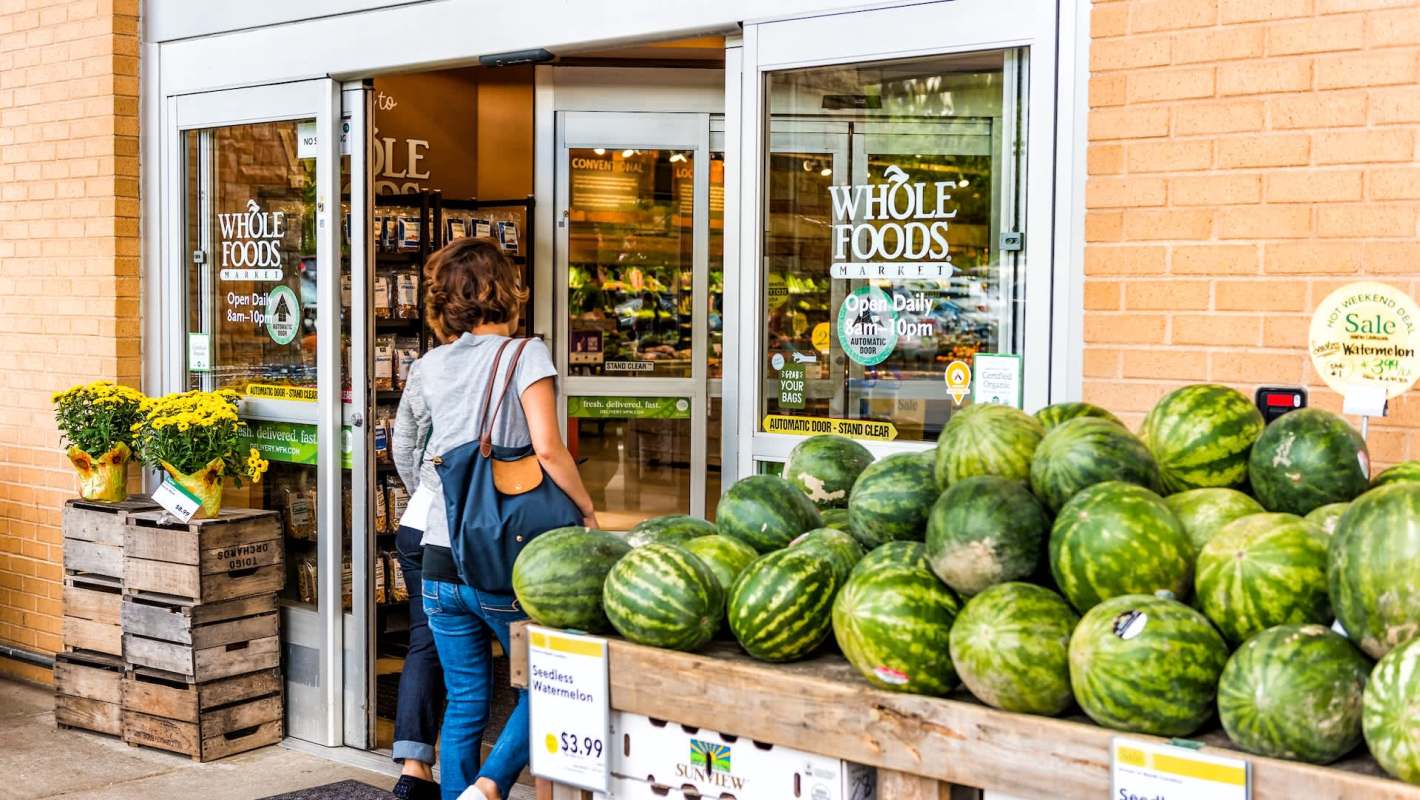
As part of its ongoing efforts to reduce supply chain packaging waste, Whole Foods Market has partnered with supplier IFCO to increase its use of reusable produce crates. According to IFCO, Whole Foods' use of its reusable containers has climbed more than 1,000% since the companies' collaboration began in 2022.
Here's what to know
The companies claimed that the reusable packaging program has avoided almost 4 million pounds of discarded cardboard, as relayed by FreshPlaza.
When their pilot program started in 2022, the companies tested using returnable crates instead of disposable cardboard cartons to ship potatoes, onions, carrots, and other root vegetables.
Following that, Whole Foods signed a deal with IFCO to expand the rollout across its supply network and add reusable packaging containers, or RPCs, to more fresh produce categories.
Efficiency and sustainability
Whole Foods has approached the challenge of decreasing waste as a potential avenue for increasing value by becoming more efficient.
"When we stop treating waste as an inevitable byproduct and start seeing it as a signal of inefficiency or untapped value, we unlock a different set of outcomes," explained Kaity Robbins, senior program manager of diversion at Whole Foods Market, as FreshPlaza relayed.
TCD Picks » Quince Spotlight
💡These best-sellers from Quince deliver affordable, sustainable luxury for all




Robbins continued, "By working with collaborators to design waste out of our operations and create systems that keep resources in circulation, operational efficiency and sustainability can become the same goal."
As adoption of reusable products increased, Whole Foods and IFCO had to manage the varying requirements of supplier facilities, distribution centers, and stores.
How it works
After use, IFCO collects the crates for washing and sanitizing before putting them back into circulation. Beyond reducing the need for single-use packaging, the crates help shield produce from damage in transit and during handling, so the product better retains its quality through distribution.
When the containers can no longer be used, IFCO recycles them to make replacement RPCs, keeping their material within the packaging system and out of landfills, per FreshPlaza.
Where can I learn more?
Reusable produce crates are one of many ways to cut waste in the grocery supply chain.
• A Whole Foods shopper opened two $6.99 surplus bags to assess their value.
• Michigan retailers wanted bottle and can returns removed from stores, objecting to handling discarded containers.
• A shopper's plastic-free grocery haul cost $30 more, highlighting the expense of avoiding plastic.
• In Australia, grocery and kitchen swaps cut plastic chemical levels by up to 60%.
• A California bill targeted misleading recycled packaging claims, seeking to address inaccurate labeling.

Get TCD's free newsletters for easy tips, smart advice, and a chance to earn $5,000 toward home upgrades. To see more stories like this one, change your Google preferences here.
Cool Picks






