


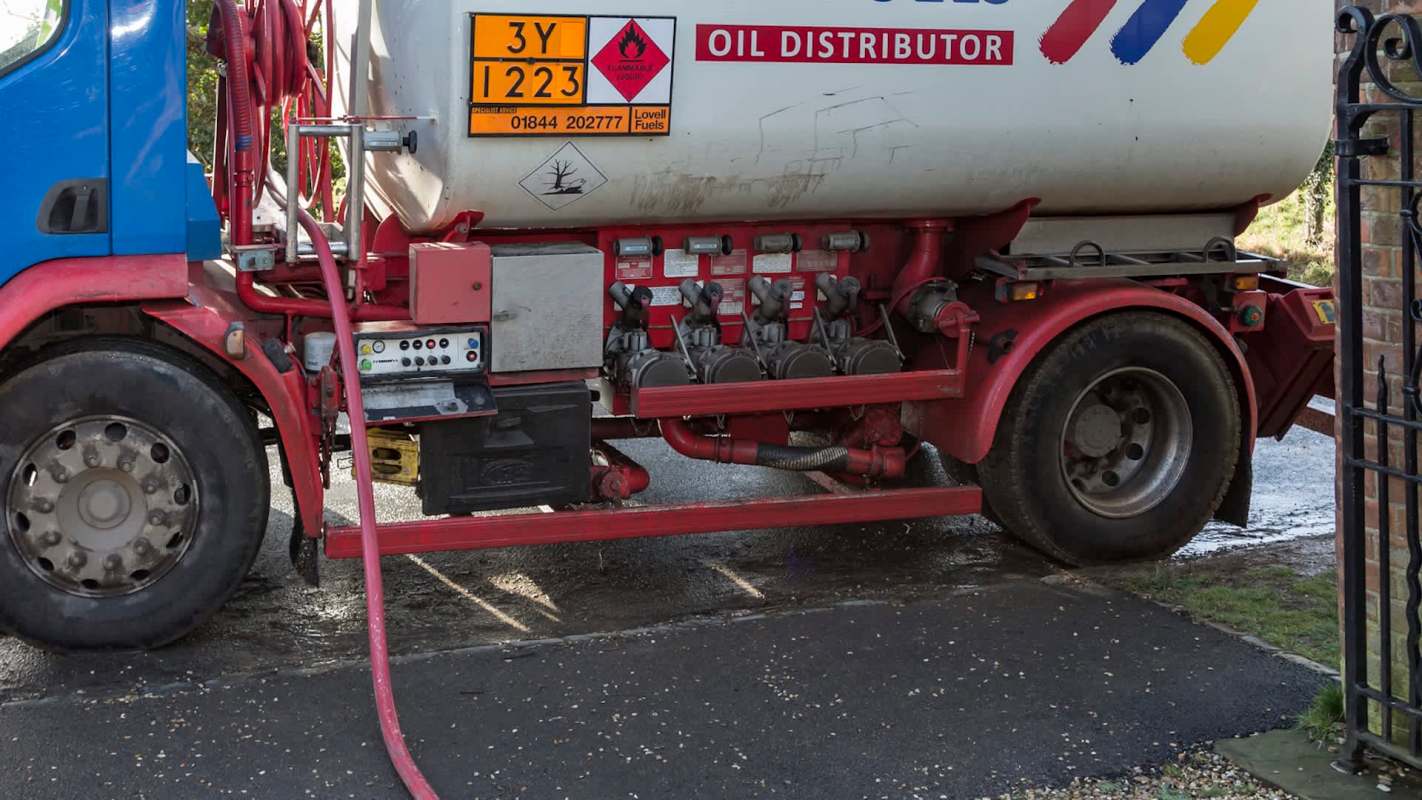
A milder winter could bring relief to the northern United States, but households relying on heating oil may not see the same benefit on their bills.
The Energy Information Administration forecasts a 21% rise in heating oil prices, potentially offsetting savings from using less fuel as El Niño reshapes winter weather.
Here's what to know
Host Justin Pack's breakdown in a YouTube video from EcoBits (@EcoBitsOfficial) described an El Niño outlook favoring wetter conditions across the southern United States, including California and the Southwest, and warmer conditions across northern states. Meanwhile, parts of the inland Northwest and the Great Lakes region could see drier weather.
Households heating with electricity or oil are projected to spend more, the EIA projected. The agency forecast the opposite for natural gas and propane users, whose average heating spending is expected to decline.
A milder Northeast winter could limit the financial impact on heating oil users. The agency said it expects supplies to tighten because of demand for American fuel exports, higher import costs, and reduced worldwide production.
The consequences extend beyond heating costs, with Pack describing the stakes as reaching "your utility bill, your grocery cart, and your weekend plans."
TCD Picks » Quince Spotlight
💡These best-sellers from Quince deliver affordable, sustainable luxury for all




More background
The video cited an October update from the National Oceanic and Atmospheric Administration reporting temperatures about 3.8 degrees Fahrenheit (2.1 degrees Celsius) above average in a key region of the tropical Pacific. Water temperature is only part of what shapes El Niño's influence; changes in tropical rainfall and winds also play a role.
A warmer planet adds another factor, according to Dr. Jack Scheff, a climate scientist and professor at UNC Charlotte.
"There's more moisture in the air, right? Because we have a warmer planet, the air just has more moisture in it. So when it rains, it rains harder. And that's true, El Niño or not," Scheff said.
"That's sort of going to affect all of these events. They're going to be raining harder or, if it's cold enough to snow, snowing harder than the same thing would have been 30 years ago simply because today's air has more moisture in it than the air of 30 years ago because of global warming," Scheff added.
The University of Georgia Extension identified spring fieldwork, winter forage planting, and fall harvests as potential trouble spots during wet El Niño conditions. Those complications can affect farms and food supplies.
Summer irrigation supplies in the Northwest can depend on the form that mountain precipitation takes. According to the USDA's Climate Hub, more rain in place of snow can reduce the water stored for that use.
What can be done?
Watches and warnings provide crucial alerts, while understanding a storm's timing and potential impacts requires looking beyond a weather app's daily icons. As storms approach, the video recommended following local National Weather Service offices and trusted television meteorologists.
Most homeowners and renters policies exclude flood coverage, and newly purchased policies through the National Flood Insurance Program typically require a 30-day waiting period, with exceptions. Before flooding becomes a threat, Pack said he recommends reviewing insurance coverage.
Tides and surf may reach farther inland on the West Coast during El Niño. The video attributed that risk to a temporary increase in sea levels.
Comparing the event with the powerful El Niños of 1997-98 and 1982-83, Scheff said: "Just think of it as a little bit stronger version of what we saw in 1997-98 or 1982-83, which I know a lot of you all watching this probably don't remember. But did the world end during those? No. Was there disruptive weather? Yes."
Where can I learn more?
A milder winter may mean using less fuel, but rising heating oil prices could still strain household budgets.
• U.S. homeowners face snow, sleet, and surprises as a supersized El Niño shapes winter.
• Massachusetts heating oil reaches a five-year price high as New England braces for winter.
• U.S. inflation reaches 3.7% as surging heating oil prices raise concerns ahead of winter.

Get TCD's free newsletters for easy tips, smart advice, and a chance to earn $5,000 toward home upgrades. To see more stories like this one, change your Google preferences here.
Cool Picks






