


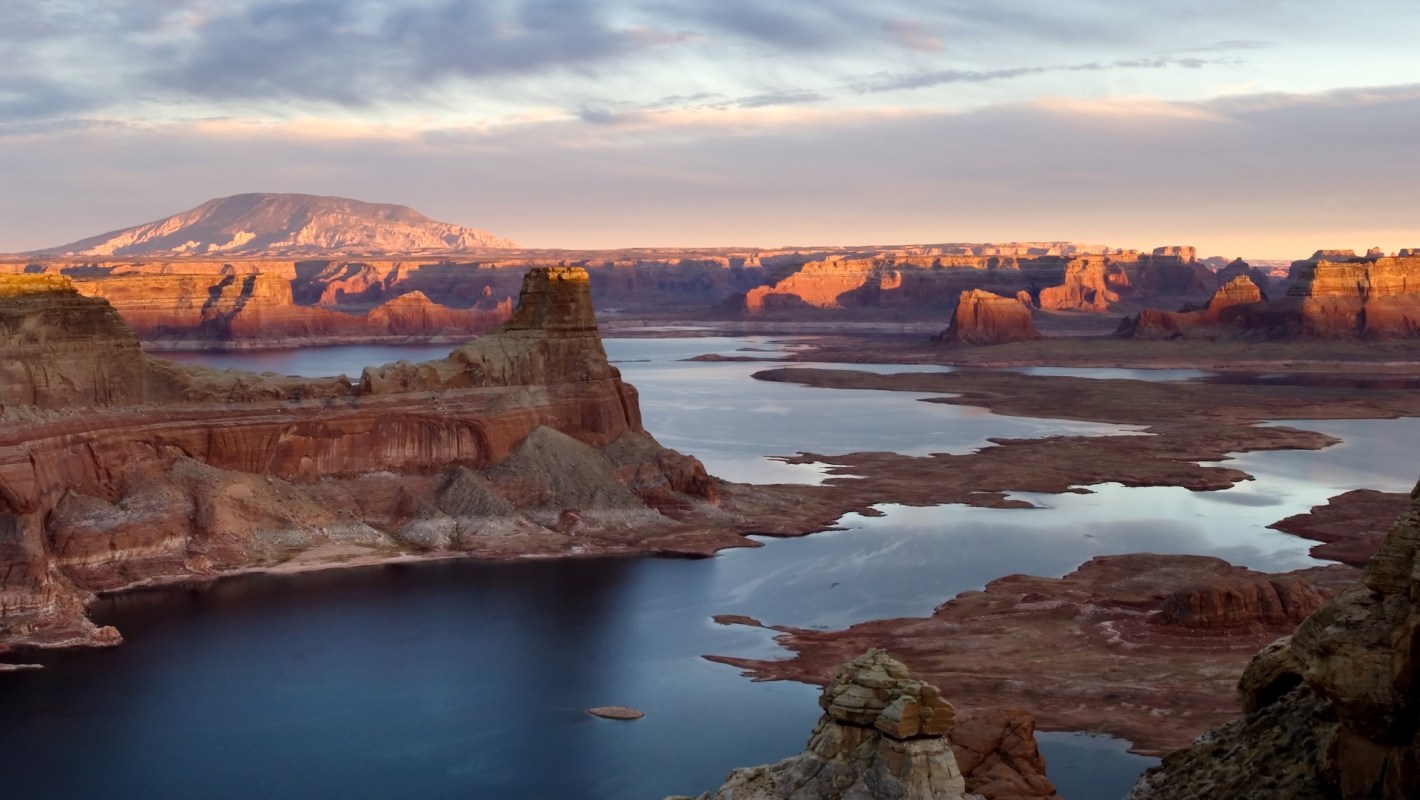
Recent storms flooded homes and streets across Arizona and the Four Corners region, sending rivers surging and raising Lake Powell by 14 feet, according to KJZZ.
Here's what to know
Since Oct. 20, Lake Powell's storage has increased from about 23% to 26% of capacity.
Even with that improvement, its surface remained about 15 feet below its November 2025 level.
For perspective, one acre-foot supplies roughly three Phoenix-area homes for a year, per the Arizona Department of Water Resources. Most of the reservoir's water comes from snowmelt in the Rocky Mountains, with roughly 5 million acre-feet arriving in a typical spring.
The storms had a greater impact on New Mexico's Navajo Reservoir, which rose from roughly half its capacity at the start of October to around four-fifths by early November.
However, the reservoir's capacity is only around 7% of Powell's.
TCD Picks » Quince Spotlight
💡These best-sellers from Quince deliver affordable, sustainable luxury for all




Little has changed upstream despite the soaking rains, leaving conditions largely unimproved for the Central Arizona Project and its deliveries of Colorado River water to Phoenix and Tucson.
More background
More than two decades of drought intensified by climate change, coupled with persistent demand, have depleted the Colorado River system.
Meanwhile, the states that depend on the river have not reached an agreement on reducing demand.
Nolie Templeton, whose work for the Central Arizona Project includes tracking Colorado River reservoirs, explained that bringing Powell to half its capacity would take roughly five consecutive winters with unusually heavy snowfall in the Rockies.
Warmer, drier winters, however, have made even average snowfall less likely. Low water at Glen Canyon Dam threatens both hydropower generation and the infrastructure needed to safely deliver water downstream.
Restrictions on releases accelerated Lake Mead's decline and prevented a release of cold water into the Grand Canyon intended to help threatened native fish survive invasive species.
For Arizona, autumn rainfall is unlikely to offset established federal water rules or prevent planned reductions in its Colorado River allocation.
What's being done?
A federal water management strategy aims to keep Powell above levels that threaten Glen Canyon Dam's infrastructure, KJZZ said.
Arizona has threatened to sue upstream states, arguing that downstream releases have fallen below the requirements of a century-old agreement governing the Colorado River.
Phoenix-area communities have seen some relief from another source. Reservoirs along the Salt and Verde rivers increased from 48% full on Oct. 1 to 69%.
Many cities draw water from both those rivers and the Colorado, allowing them to rely more heavily on the smaller system during dry periods. The Salt River Project also released water from an overfilled Bartlett Lake into the Salt River channel through downtown Phoenix.
Kathryn Sorensen, who researches water policy at Arizona State University, explained that the released water will replenish groundwater beneath the metro area, another important water supply for nearby cities.
"It's not like a tap you can turn off and on," Templeton said. "These are things that require a little bit more long-term planning on where that water is going."
Where can I learn more?
The storms that flooded Arizona streets brought only limited relief to Lake Powell. These stories explore potential water cuts, flash flood rescues, and groundwater losses.
• Arizona water experts warn Colorado River cuts would be unprecedented for Phoenix taps.
• In Tucson, flash flooding triggered three rescues within 30 minutes, including a driver swept into a wash.
• The Colorado River Basin's snowy upper half lost nearly twice the groundwater of the desert below.

Get TCD's free newsletters for easy tips, smart advice, and a chance to earn $5,000 toward home upgrades. To see more stories like this one, change your Google preferences here.
Cool Picks






