


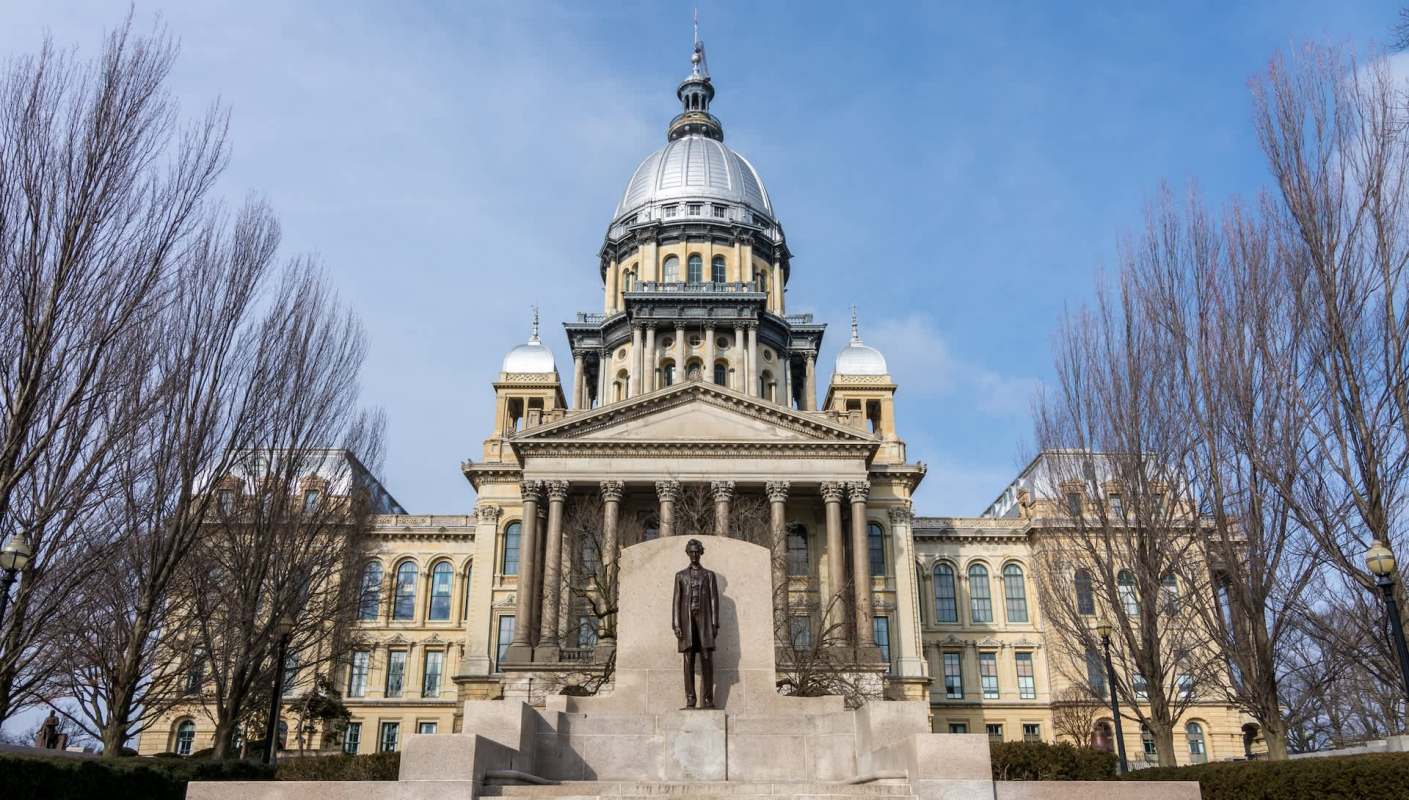
Illinois sets a 100 percent clean energy by 2050 climate target. The state will need to cut gas use in buildings and industry by at least half to meet that target, but figuring out how to actually implement that is another story.
Here's what to know
A consultant modeled five pathways, examining costs, emissions, utility-system impacts, and effects on environmental justice communities. That work formed the Gas Decarbonization Pathways Study, which the Illinois Commerce Commission authorized through its Future of Gas process, according to CleanTechnica.
Burning gas to heat homes and other buildings accounts for 17% of the state's emissions. That is no small number, as Illinois' Climate and Equitable Jobs Act aims for the state to use entirely clean energy by 2050.
Heat pumps serve just 3% of Illinois homes. The study projects that they will be necessary in 52%-97% of homes by 2050, requiring substantial expansion under every feasible scenario.
For homeowners ready to make the switch, Palmetto helps compare efficient HVAC and heat-pump solutions and find vetted installers through its Comfort Plan network. Efficient equipment can help households manage heating and cooling expenses and exposure to higher energy prices.
Electrifying a home is also one of the best ways to access clean energy as more solar and wind start to feed the grid.
More background
The study projects that gas use will fall approximately 50%-85% across its scenarios. That decline could create challenges for customers who remain connected to the gas system.
As fewer customers share the cost of maintaining pipeline networks, or as more expensive alternative fuels enter the system, gas rates could rise fourfold to 25-fold by 2050. Households using only electricity pay substantially less in monthly utility costs on average in every modeled scenario.
Crushed by your bills? See instant solar savings from vetted installers in just a few clicks With energy prices through the roof, there's never been a better time to go solar — and EasyHome can help you find the best prices from the best installers in your area. EasyHome takes the guesswork and headaches out of energy upgrades by showing you estimated savings from a network of vetted local partners. To get started, just enter your ZIP and share a few details about your home — seeing your estimate is really that easy. |

Natural Resources Defense Council policy director Madeline Semanisin and equitable gas transition lead Kiki Velez emphasized the obstacles facing pathways that rely on alternative fuels.
Biomethane supplies are limited, while producing synthetic methane from green hydrogen and captured atmospheric carbon remains at the prototype and demonstration stage.
Upfront equipment costs also matter for households considering electrification. Palmetto's Comfort Plan offers $0-down options and states that heating and cooling costs could fall by up to 50%. Its plans also include 12 years of free maintenance, helping households manage equipment upkeep alongside energy spending.
What's being done?
Illinois' climate goals provide the benchmark for the commission's review of the utility system through its Future of Gas process. A goal of 100 percent clean energy sets a standard for what a state can accomplish and will serve as an example for others to learn from if they decide to attempt the same.
Semanisin and Velez recommend requiring utilities to develop comprehensive, long-term gas plans. They also call for coordinating household electrification to avoid unnecessary replacements of aging pipelines.
They recommend ending customer-funded subsidies for new gas connections and prioritizing heat-pump access for low-income households. Proposed tools include stronger utility incentives, updated building codes, and a clean heat standard outlined in Illinois' Comprehensive Climate Action Plan.
For homeowners pursuing electric HVAC, pairing efficient equipment with solar can further reduce utility costs, increase clean energy use, and make a home more self-reliant. EasyHome offers a solar comparison-shopping tool to help homeowners compare installation offers and find the best deal.
The commission identified the challenge in 2023, finding that "if the decarbonization goals of CEJA are to be met, the gas distribution system as currently operated will need to change."
Where can I learn more?
As Illinois moves away from gas, households face questions about utility bills and access to electric heating.
• Illinois officials urged regulators to reject Peoples Gas' hike, challenging higher costs for customers.
• Illinois' settlement cut Nicor Gas' increase by 63%, limiting average monthly hikes to $2.
• Illinois utility assistance offers bill relief and discounts, along with help repairing furnaces.
• A Massachusetts bill could let neighborhoods switch to electricity, potentially ending service for gas holdouts.
• Two Massachusetts utilities cut winter heat-pump rates, prompting questions about similar savings in Connecticut.

Get TCD's free newsletters for easy tips, smart advice, and a chance to earn $5,000 toward home upgrades. To see more stories like this one, change your Google preferences here.






