


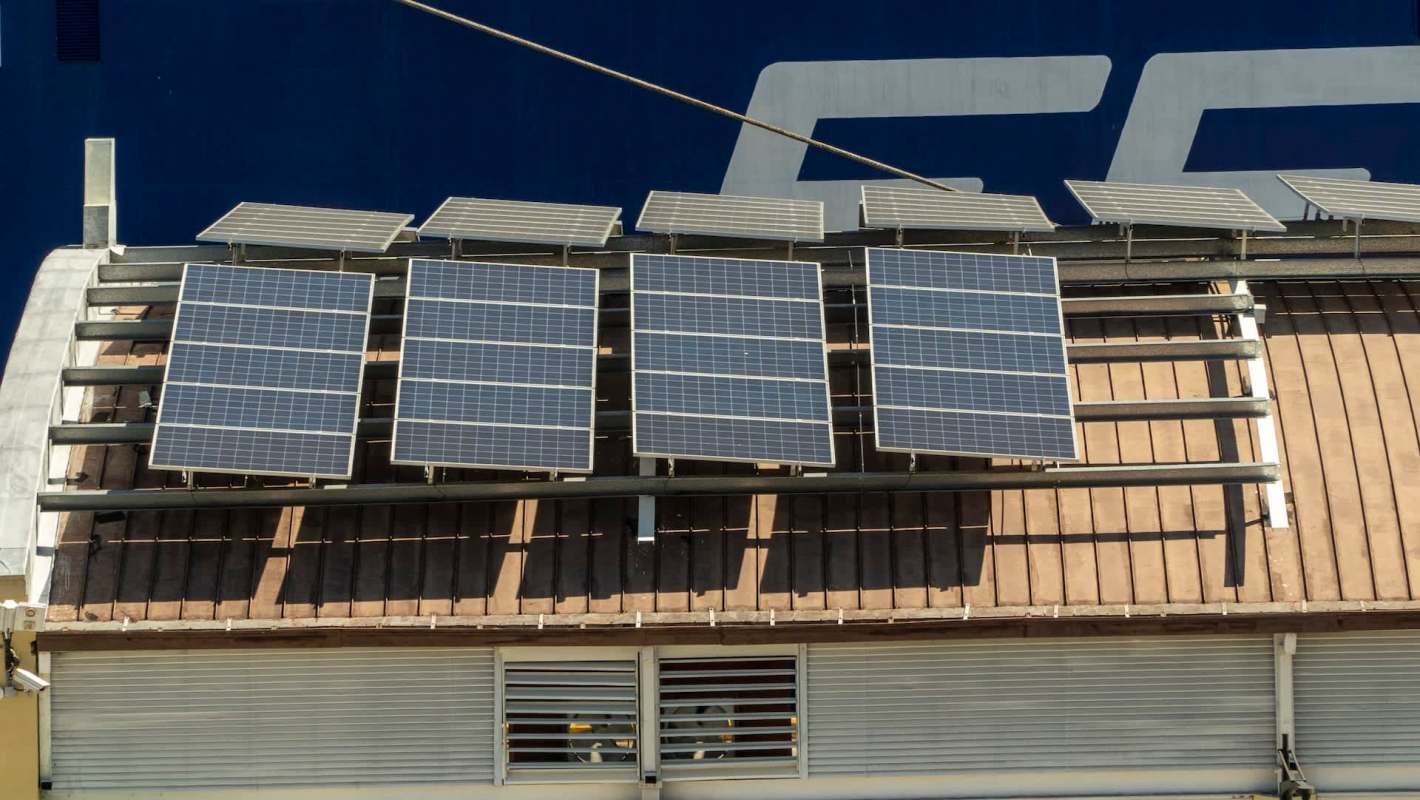
Homeowners in Puerto Rico could earn 7 to 8 cents per kilowatt-hour for surplus solar electricity under a proposal to lower power costs across the island.
Casa Pueblo, a community environmental organization, aims to make better use of the island's existing solar network by turning rooftop system owners into energy suppliers, according to the San Juan Daily Star.
Here's what to know
Selling surplus electricity through regulated power purchase agreements would become an option for home and business solar users under Puerto Rico Pueblo Solar.
To allow those users to produce beyond their own needs, the initiative would revise net metering rules.
According to Casa Pueblo, approximately 261,000 Puerto Rican households already use solar systems. Together, distributed solar systems provide approximately 1,456 megawatts of capacity, offering a foundation for the proposed marketplace.
"Our people have demonstrated their ability to invest, organize and produce electricity," Casa Pueblo Executive Director Arturo Massol Deyá said in a written statement.
"What is needed is a regulatory and economic framework that expands that participation and recognizes citizens as key players in Puerto Rico's energy generation," he added.
For households considering rooftop solar, $0-upfront leases can deliver electricity savings of hundreds of dollars per month, depending on individual circumstances. EasyHome offers a free explorer tool to estimate your potential savings and find vetted local installers.
Crushed by your bills? See instant solar savings from vetted installers in just a few clicks With energy prices through the roof, there's never been a better time to go solar — and EasyHome can help you find the best prices from the best installers in your area. EasyHome takes the guesswork and headaches out of energy upgrades by showing you estimated savings from a network of vetted local partners. To get started, just enter your ZIP and share a few details about your home — seeing your estimate is really that easy. |

More background
Citing U.S. Energy Information Administration data, Casa Pueblo compared that distributed solar capacity with 1,391 megawatts from methane gas generation, 454 megawatts from coal-fired facilities, and 3,671 megawatts from petroleum-based generation.
The organization argues that purchasing surplus electricity would not require additional public debt to lower power costs.
Casa Pueblo says the current fuel adjustment charge is roughly 2.5 times its proposed purchase price. By comparison, power from large-scale solar and wind projects typically costs between 16 and 21 cents per kilowatt-hour.
Rather than using agricultural land for utility-scale renewable projects, Casa Pueblo favors using "existing rooftops and urban spaces."
What's being done?
For electricity sellers, the buyer would be LUMA Energy or its successor as the transmission and distribution operator.
Casa Pueblo would require that operator to buy the power in an open, regulated market.
Supporting more distributed generation would also require grid changes. Massol Deyá has called for modernizing infrastructure, interconnection procedures, and control systems to accommodate that electricity.
The proposal includes a reduced daytime rate available to every electricity customer, even those without panels or batteries.
Casa Pueblo says shared solar installations, energy cooperatives, and revenue-sharing arrangements would also help households participate if they lack suitable rooftops or can't afford to install their own systems.
For households weighing how rooftop generation could fit their needs, EasyHome also offers options to explore battery storage. Pairing solar with batteries can help households manage electricity costs and keep backup power available during outages.
"This is not only about producing cheaper electricity," Massol Deyá noted. "It is about building a stronger, safer, more participatory and democratic energy system, and Puerto Rico has the capacity to do it."
Where can I learn more?
Puerto Rico's proposal would change how homeowners are paid for surplus solar power. These stories explore the credits, payouts, and fees affecting solar owners in other communities.
• In Bastrop, Texas, solar customers will get grid credits alongside monthly fees starting Oct. 1.
• Solar owners say net metering and renewable energy credits can yield a $900 true-up check.
• A Connecticut homeowner says their solar credits vanished despite higher output, raising concerns about buyback terms.

Get TCD's free newsletters for easy tips, smart advice, and a chance to earn $5,000 toward home upgrades. To see more stories like this one, change your Google preferences here.






