


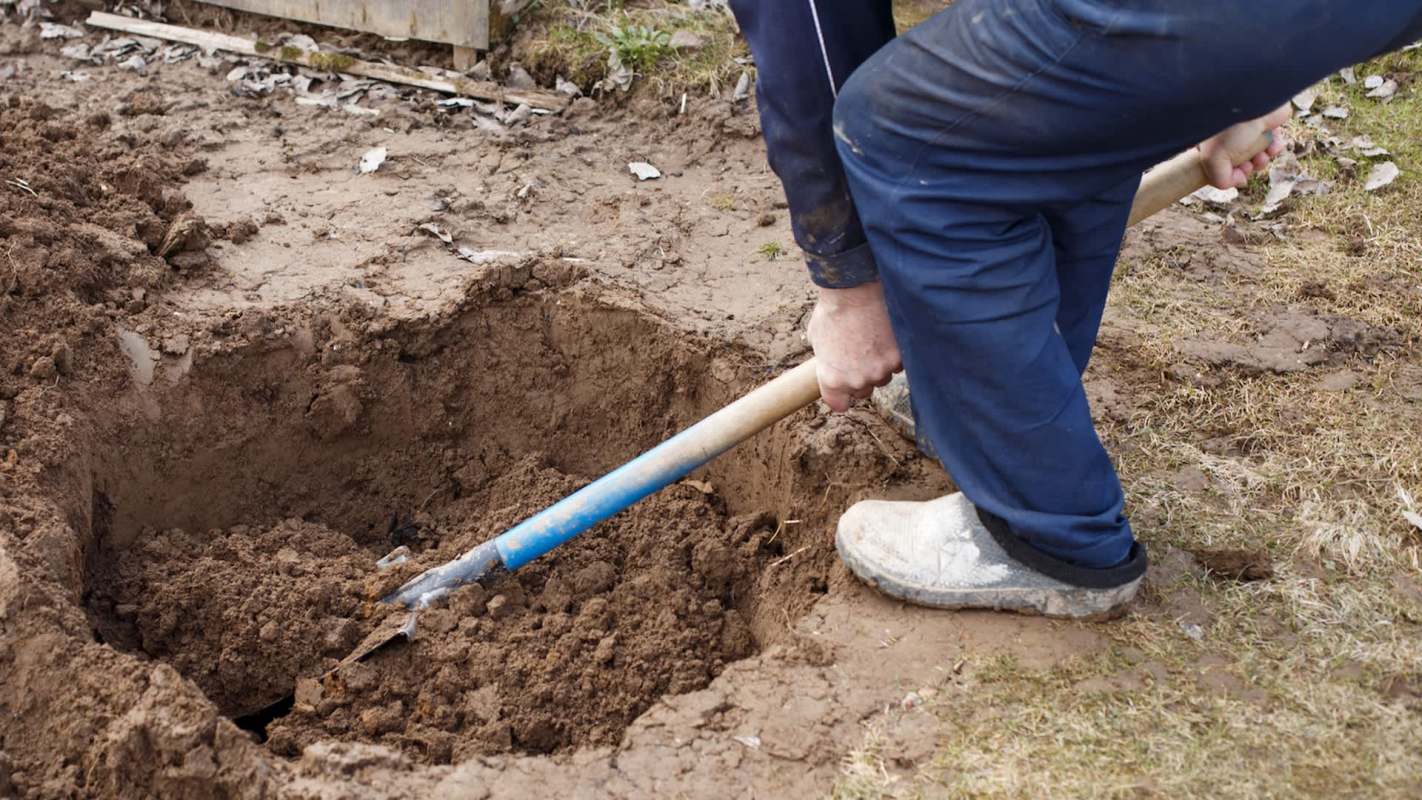
A New York homeowner's plan to bury about 100 gallons of gasoline drew warnings about hidden leaks, drinking-water contamination, and the complications of storing fuel underground.
Here's what to know
The homeowner proposed a small underground tank to replace multiple 5-gallon cans, according to a Reddit post on the r/preppers subreddit.
The homeowner explained: "Ideally, I'd like something with a fuel transfer pump (battery or hand pump) that would allow me to fill equipment as needed, almost like having a miniature gas station at home."
They hoped an underground tank would keep temperatures steadier while avoiding the hassle of managing separate cans.
Although the homeowner already owned an electric vehicle, they wanted fuel available for other equipment if the household went off-grid. They also asked whether an above-ground system could serve the same purpose.
Going solar is one of the best ways to save money on home energy, and solar leases in particular can deliver hundreds of dollars in monthly savings without any upfront costs. Homeowners can use EasyHome's free explorer tool to see their potential savings from vetted installers in their area.
More background
Warnings against an unauthorized installation followed the homeowner's disclosure that they lived in New York and would not seek a permit. A Redditor who had researched underground gasoline storage had described the difficulty of getting a permit in their own area.
"Also note we had a well on site, so leaching into the drinking water was a potential risk," one person wrote. The commenter who raised that concern had grown up on a farm where an underground tank was removed because of monitoring requirements.
Crushed by your bills? See instant solar savings from vetted installers in just a few clicks With energy prices through the roof, there's never been a better time to go solar — and EasyHome can help you find the best prices from the best installers in your area. EasyHome takes the guesswork and headaches out of energy upgrades by showing you estimated savings from a network of vetted local partners. To get started, just enter your ZIP and share a few details about your home — seeing your estimate is really that easy. |

Another commenter suggested above-ground farm systems, as their family used a buried tank during the fuel shortages of the 1970s. "I'd worry about undetectable leaks in a below ground tank," they said.
What can be done?
Commenters suggested several alternatives, including an above-ground gravity-fed tank and a double-wall portable fuel tank. One Redditor warned that a leak in a gravity-fed system could drain the fuel supply, while another asked how the homeowner would refill a buried tank.
One commenter said having several ways to recharge, rather than relying entirely on stored fuel, appealed to them, since they switched to electric equipment partly because of gasoline's storage limitations.
EasyHome can also help homeowners explore their backup battery storage options alongside solar, making it easier to compare a different approach to household energy preparedness. Pairing solar with a battery allows homeowners to maximize savings and power their home with solar when the grid goes down.
The commenter who had gone mostly electric said: "I can recharge an EV and batteries via solar, propane, natural gas, gasoline, diesel, etc as long as I'm setup for it in advance."
Where can I learn more?
Fuel storage is just one part of planning for backup power. These stories cover aging gasoline, generator placement hazards, and a missing propane tank.
• A generator owner worried about aging gasoline received advice to pump out the fuel first.
• A generator sputtered out during an outage, prompting warnings about 4-year-old gasoline.
• A Texas homeowner warned that a neighbor's future fence could create generator safety problems.
• A Pacific Northwest homeowner's proposed propane generator location drew warnings about dangerous exhaust near the deck.
• A cabin's 22-kilowatt backup plan hit a snag over a missing propane tank.

Get TCD's free newsletters for easy tips, smart advice, and a chance to earn $5,000 toward home upgrades. To see more stories like this one, change your Google preferences here.






