


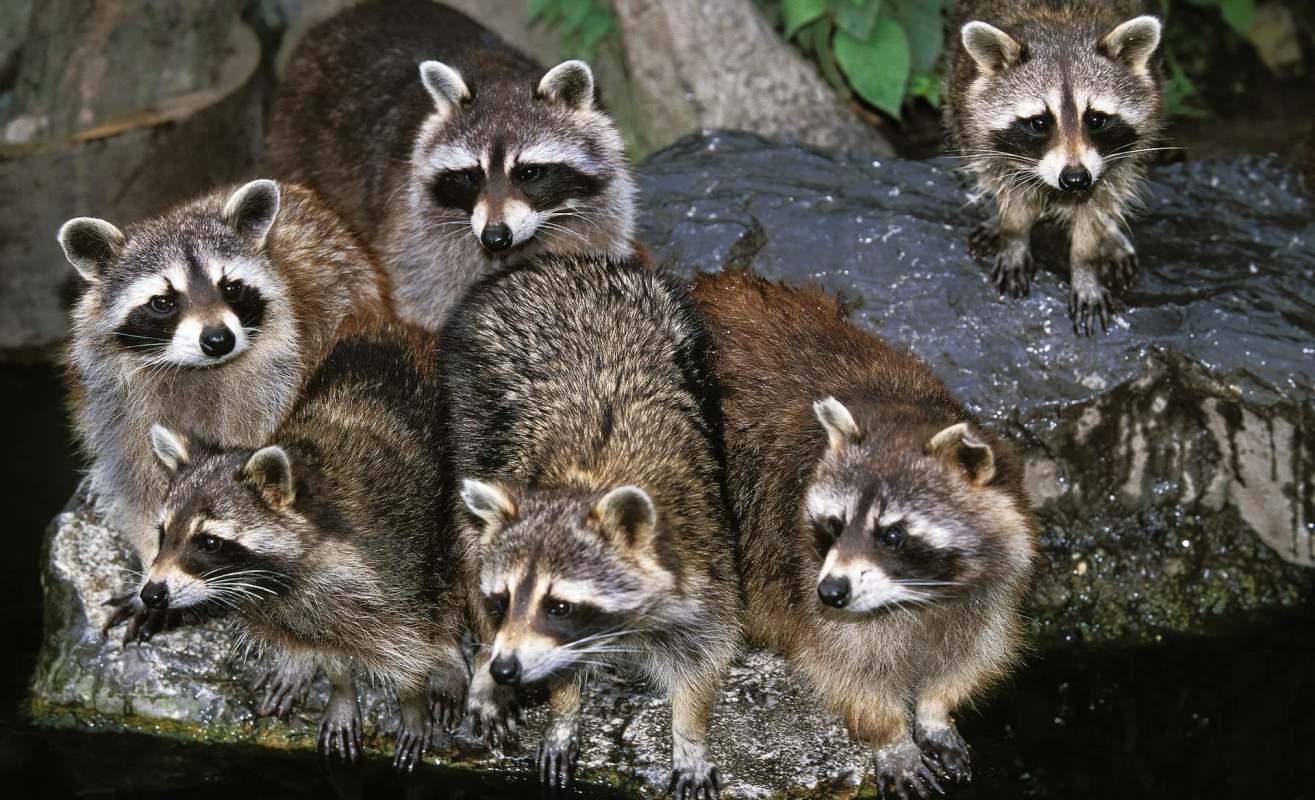
Luxembourg's annual raccoon cull has climbed to nearly 2,000 animals, but Luxembourg's Nature and Forestry Agency says eliminating the invasive species is no longer realistic.
Here's what to know
The European Union classifies both raccoons and nutria as invasive species, and both are widespread in Central Europe. Raccoons and nutria arrived in Europe through the fur trade in the early 1900s, according to RTL Today.
Luxembourg recorded its first raccoon in 1979 and allowed hunting of the species in 2011. Around 600 raccoons were shot in 2012. Since nutria became established in Luxembourg, the Nature and Forestry Agency has trapped and killed 600 animals.
Luxembourg can no longer realistically eliminate either animal, the Nature and Forestry Agency's deputy director, Laurent Schley, said.
More background
During their seasonal migrations, amphibians are among the native wildlife threatened by raccoons, which reduce their numbers and also eat rare birds' eggs, according to RTL Today.
A separate capture process applies when residents find raccoons in private gardens or attics. Those are among the places the animals occupy in towns and cities.
TCD Picks » Quince Spotlight
💡These best-sellers from Quince deliver affordable, sustainable luxury for all




Nutria, meanwhile, have been established in Luxembourg since 2017. These rodents damage shorelines and eat native mussels and reeds; their orange teeth make them easy to spot.
The Nature and Forestry Agency's work at the Haff Réimech nature reserve is ongoing, as groups of nutria keep establishing themselves in the reeds.
They capture the animals to prevent reproduction and extensive damage, RTL Today reported.
What's being done?
A 2014 EU regulation requires member states to address invasive species through targeted action to safeguard native biodiversity.
Habitat determines which authority handles the response: Luxembourg's Water Management Agency or its Nature and Forestry Agency.
Raccoon control still includes hunting. At Haff Réimech, the Nature and Forestry Agency frequently uses traps to manage nutria in the reserve's reed beds.
Residents need a permit to trap raccoons found in their gardens or attics, Schley said; the agency does not handle those cases directly.
RTL Today reported that the required next step for a captured raccoon is euthanasia, carried out humanely and in a way appropriate to the species.
Where can I learn more?
Luxembourg isn't the only place dealing with invasive animals or wildlife moving into towns and cities.
• In Germany, raccoons raid hospitals and zoos, expanding their presence in human spaces.
• In Florida, hunters removed 22 invasive iguanas, drawing praise from commenters for humane culling.
• Wild boars are moving into Czech cities for food, safety, and refuge from hunters.

Get TCD's free newsletters for easy tips, smart advice, and a chance to earn $5,000 toward home upgrades. To see more stories like this one, change your Google preferences here.







