


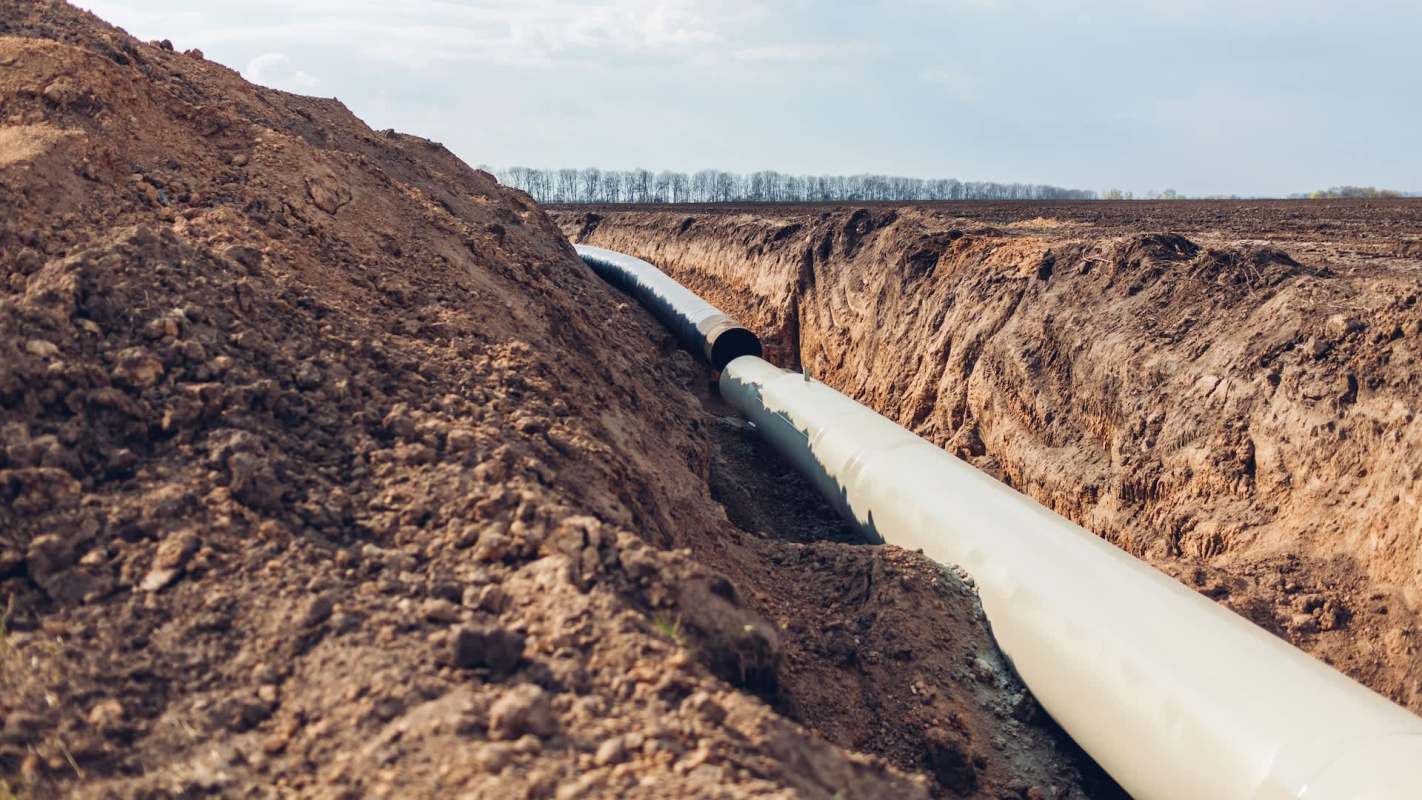
A proposed pipeline expansion could save Massachusetts ratepayers $367 million each winter in combined heating and electricity costs, one study found. However, any potential benefits remain years away, as the project has yet to secure federal approval.
Here's what to know
Natural gas already travels from New Jersey into Massachusetts through the Algonquin system. Canadian pipeline company Enbridge has proposed an expansion to that system, according to WBSM, which cited RealClearEnergy.
The proposal, known as Project Beacon, would increase daily gas capacity by about 300 million cubic feet, according to the CommonWealth Beacon. That capacity could cover winter demand for about 840,000 homes — exceeding half the state's residential gas accounts.
The $367 million estimate, produced by the Fiscal Alliance Foundation, reflected potential savings across all ratepayers.
More background
Massachusetts residents have long paid some of the nation's highest electricity prices, a result of what the foundation described as "the state's limited access to affordable and reliable natural gas," per WBSM. The foundation reported that natural gas supplied over 65% of Massachusetts' electricity in any given year, meaning gas prices also affect electric customers.
"Expanding access to natural gas from the nearby Appalachian producing region could help reduce natural gas prices in Massachusetts and, in turn, power prices," the Fiscal Alliance Foundation said, according to WBSM.
TCD Picks » Quince Spotlight
💡These best-sellers from Quince deliver affordable, sustainable luxury for all




The proposed pipeline expansion has received the backing of key state officials, including Gov. Maura Healey. Despite touting an anti-pipeline record during her 2022 campaign, Healey has thrown her support behind Project Beacon, urging the federal government to accelerate its review of the proposal, WBSM reported.
"Remember, I stopped two natural gas pipelines from coming into this state," Healey, who was serving as attorney general at the time, said in 2022, per WBSM.
For customers facing high utility bills, particularly with winter cold approaching, the proposal offered no immediate relief. Any potential benefits would remain several years away even if federal approval were granted.
Additionally, the gas-pipeline expansion could lock Massachusetts into decades more of reliance on natural gas, even as the state has sought to expand its portfolio of renewable energy sources such as wind and solar.
Where can I learn more?
The debate has raised questions about infrastructure costs and oversight.
• Massachusetts pushed for faster gas pipeline review as high energy bills strained households.
• Massachusetts was still awaiting justification for the Springfield gas line three years later.
• In Massachusetts, $17,775 from utility allies preceded Healey's request to accelerate pipeline review.

Get TCD's free newsletters for easy tips, smart advice, and a chance to earn $5,000 toward home upgrades. To see more stories like this one, change your Google preferences here.






