


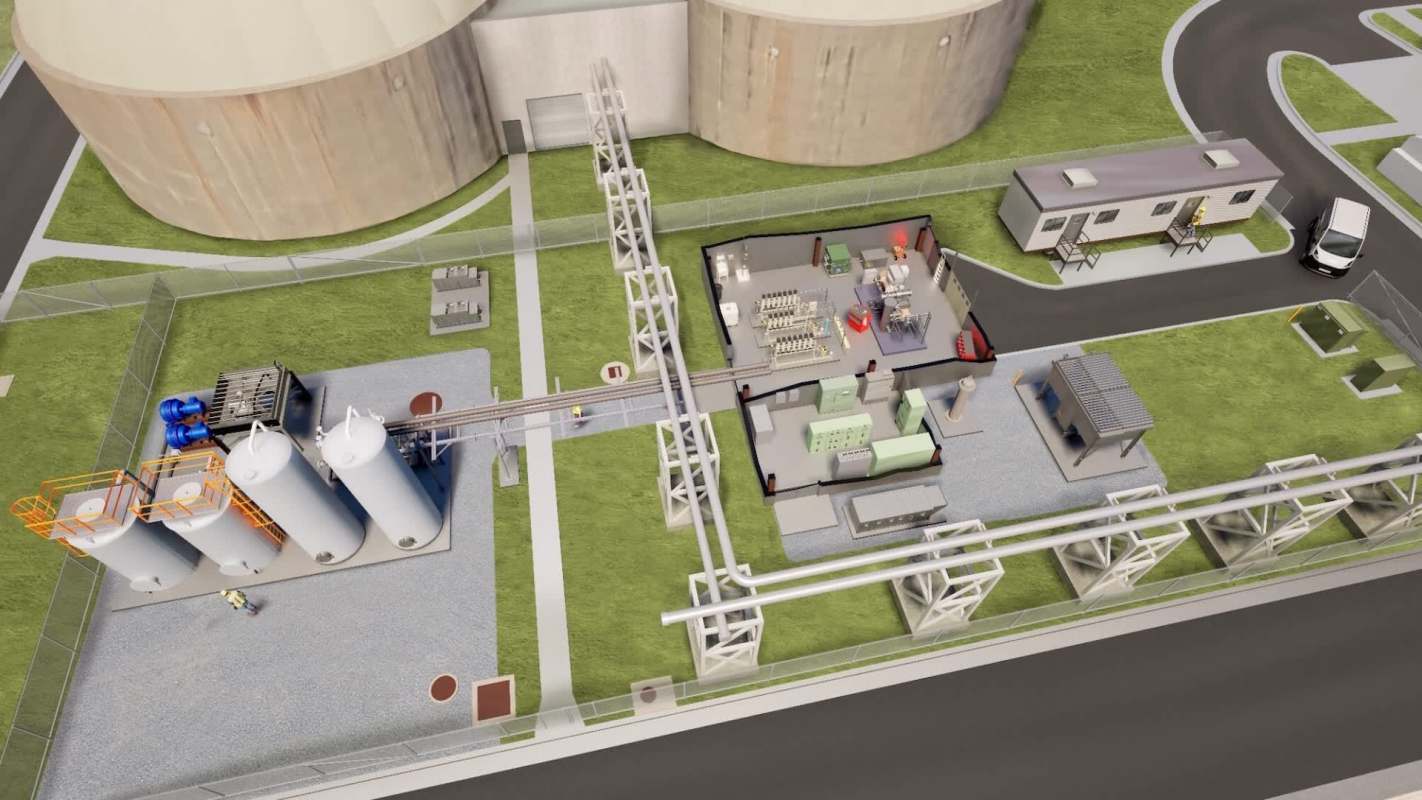
While using the toilet is a normal part of everyday life, in Virginia Beach it could soon help generate power for homes. The proposed $30 million project would turn sewage gas into usable energy, giving a wastewater byproduct a second use.
Here's what to know
According to Virginia Mercury, Hampton Roads Sanitation District is partnering with Virginia Natural Gas on the facility, which would operate at the district's existing wastewater treatment site. The utility serves about 315,000 homes in the region, and the facility could supply gas for 5,000 households each year. Virginia Natural Gas customers would fund the project.
The treatment plant already produces biogas through anaerobic digestion, a process in which organisms break down biosolids without oxygen. The gas contains methane, carbon dioxide, and other gases, but the facility currently burns it off using a flare.
To enter Virginia Natural Gas pipelines, the biogas would first need to pass through the proposed purification equipment. A 200-foot connecting pipe would carry the gas from the treatment facility's property to the utility's existing lines.
More background
For customers funding the project, the immediate effect would be an estimated 36-cent increase in the average monthly residential bill. The State Corporation Commission would receive Virginia Natural Gas's planned request for approval to recover those costs from customers.
Plans to help offset customer costs include using the project's environmental value, Southern Company Gas representative Carl Garofalo said. He also said the facility could eventually reduce the amount of gas the utility needs to buy.
TCD Picks » Quince Spotlight
💡These best-sellers from Quince deliver affordable, sustainable luxury for all




"We're monetizing the environmental attributes for the project, and using that to minimize rate impact," Garofalo said. "We do forecast, in the out years of the project, that we will actually provide a benefit to the customers in the form of possible bill credits."
Those potential credits, however, remain a forecast, not guaranteed savings.
What's being done?
Virginia already has a smaller example of this approach. According to Virginia Mercury, Western Virginia Water Authority teamed up with Roanoke Gas Company in 2022 to build a facility that produces renewable natural gas on the grounds of the Roanoke Regional Water Pollution Control Plant.
The facility began operating fully in 2023 and can supply gas to 500 homes—one-tenth of the Virginia Beach project's anticipated output.
Virginia lawmakers have also taken steps to address a separate wastewater concern: biosolids used as agricultural fertilizer.
After residents raised concerns about exposure risks, a new state law restricts biosolids use based on concentrations of per- and polyfluoroalkyl substances—commonly called PFAS or forever chemicals—according to Virginia Mercury.
Beyond wastewater treatment plants, Garofalo pointed to landfills as another potential source of gas. He said their gas output is five times that of facilities like the planned Virginia Beach operation.
"There's a lot of organic waste, and this is a way to add a substantial amount of energy to the system while dealing with a problem for existing customers," Garofalo said.
Where can I learn more?
The Virginia Beach proposal would turn a wastewater byproduct into fuel, with utility customers footing the bill. These stories cover a waste-to-gas expansion, Texas sewer funding, and Virginia energy projects, rate increases, and rebates.
• Vanguard Renewables plans to acquire Generate Upcycle operations, nearly doubling food waste-to-gas capacity.
• In Texas, Ben Bolt received $31 million for sewer upgrades prioritizing schools.
• In Virginia, Columbia Gas customers face a $10.81 bill increase, with another hike pending.
• Virginia rejoined RGGI as carbon-auction prices more than doubled and customer rebates debuted.

Get TCD's free newsletters for easy tips, smart advice, and a chance to earn $5,000 toward home upgrades. To see more stories like this one, change your Google preferences here.






