


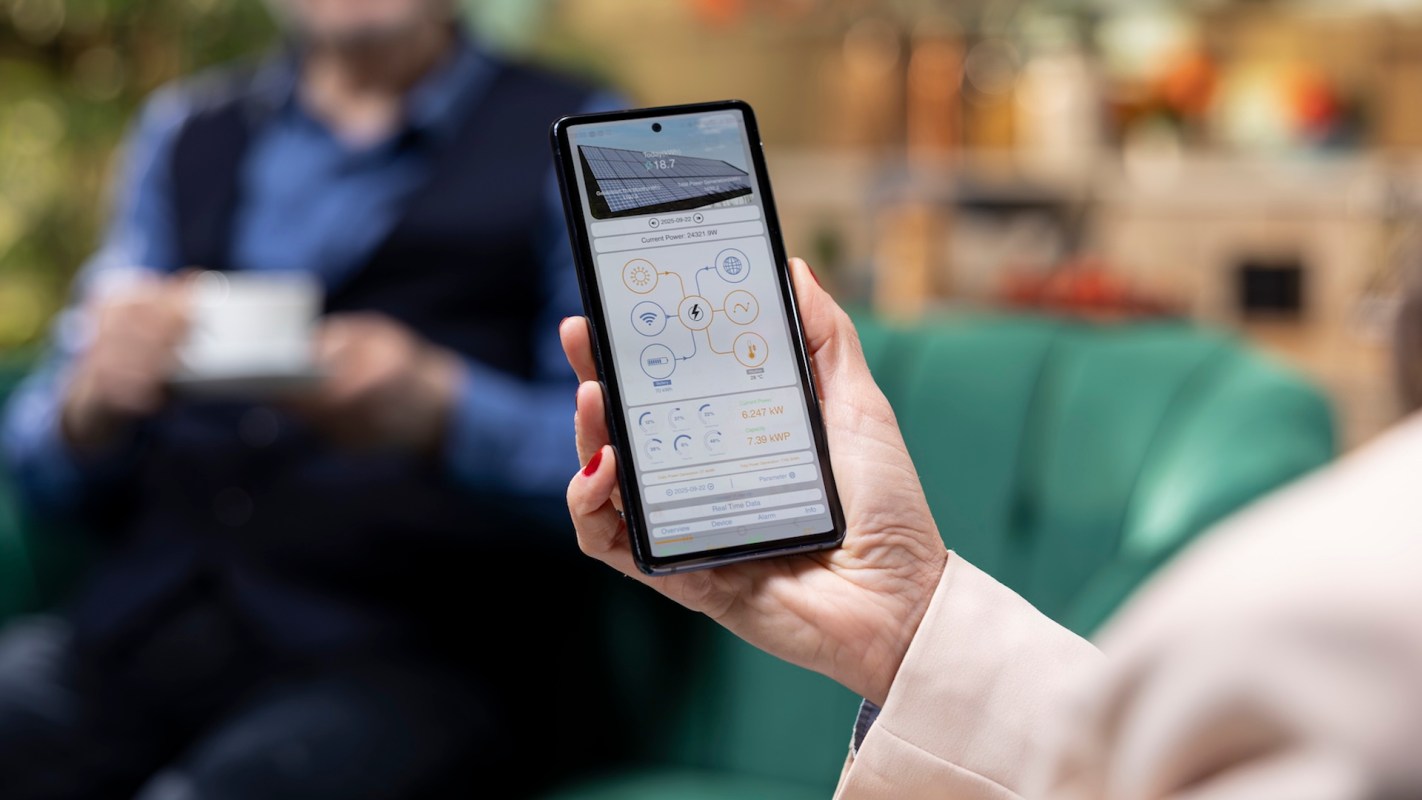
A Michigan proposal looks to make clean energy more affordable by guaranteeing at least 20% savings on electricity bills for low-income community solar subscribers without requiring rooftop panels.
But the bill remains stalled in committee, leaving households waiting for a new way to lower their energy costs.
Here's what to know
House Bill 6041, sponsored by state Rep. Donavan McKinney, has 27 Democratic co-sponsors, according to the Michigan Advance.
The proposal would reserve 40% of participation for low-income households and require standard residential subscribers to save at least 10%.
Utility bill credits connect a shared solar project's electricity production to the households subscribing to it. Community solar makes access possible even when a household's roof is unsuitable for panels, installation is unaffordable, or a resident rents their home.
Michigan legislators have introduced six bills concerning shared solar since 2021, but none has become law, the Advance reported. Four proposals remain in committee, with no hearings scheduled.
For homeowners with suitable roofs, going solar is one of the best ways to save money on home energy, and solar leases can deliver hundreds of dollars in monthly savings without upfront costs. EasyHome's free explorer tool lets you see potential savings from vetted installers in your area.
More background
Michigan is among 24 states without a community solar program, per the Advance.
Crushed by your bills? See instant solar savings from vetted installers in just a few clicks With energy prices through the roof, there's never been a better time to go solar — and EasyHome can help you find the best prices from the best installers in your area. EasyHome takes the guesswork and headaches out of energy upgrades by showing you estimated savings from a network of vetted local partners. To get started, just enter your ZIP and share a few details about your home — seeing your estimate is really that easy. |

McKinney, whose district includes northeast Detroit, said he has experienced 50 power outages since 2022. Some shared-solar programs provide stored power when the grid fails.
DTE Energy and Consumers Energy oppose the proposals, saying customers who don't participate could end up covering project costs.
However, "they declined to provide details on how this would be the case," the Advance noted.
House Energy Committee chair Pauline Wendzel, a Republican state representative, has also questioned who would pay for grid maintenance if subscriber credits exceed a project's value to the system.
McKinney maintains that the Michigan Public Service Commission would be responsible for preventing those costs from shifting to other customers.
Lower electricity bills are the goal of shared-solar proposals from Republicans as well as Democrats.
The disagreement has kept that approach on hold.
What's being done?
A Massachusetts-commissioned study found that the state's solar incentive program, which covers shared solar projects, provided ratepayers with $1.49 in direct benefits per dollar spent, per the Advance.
Minnesota, meanwhile, redesigned its program after finding that credits were worth more than the power produced.
Ann Arbor voters authorized a different approach in 2024 through the Sustainable Energy Utility.
The utility pays for and owns solar-and-battery equipment on customers' properties, handling installation and upkeep. Customers keep their DTE connection for additional electricity needs, the Advance said.
Unlike off-site community solar, this approach places equipment directly at participating homes and businesses.
For homeowners considering their own systems, EasyHome's free explorer tool compares potential savings from vetted local installers and explores backup battery storage options. Pairing solar with a battery lets you maximize savings and keep the lights on when the grid goes down.
"Utility-owned resources are often more expensive and slower to construct than third-party-owned resources," Laura Sherman, who leads the Michigan Energy Innovation Business Council, told the Advance. "Allowing for third-party owned community solar with a guaranteed bill savings would correct that problem by removing utility profits and high costs from the equation."
Where can I learn more?
Solar savings are a hot topic.
• California approved plug-in and community solar for renters excluded from rooftop solar savings.
• In Ohio, a free solar co-op could cut Duke Energy bills by about $1,000 annually.
• A U.K. resident considered shared solar on council-controlled roofs, with questions about who would benefit.

Get TCD's free newsletters for easy tips, smart advice, and a chance to earn $5,000 toward home upgrades. To see more stories like this one, change your Google preferences here.






