


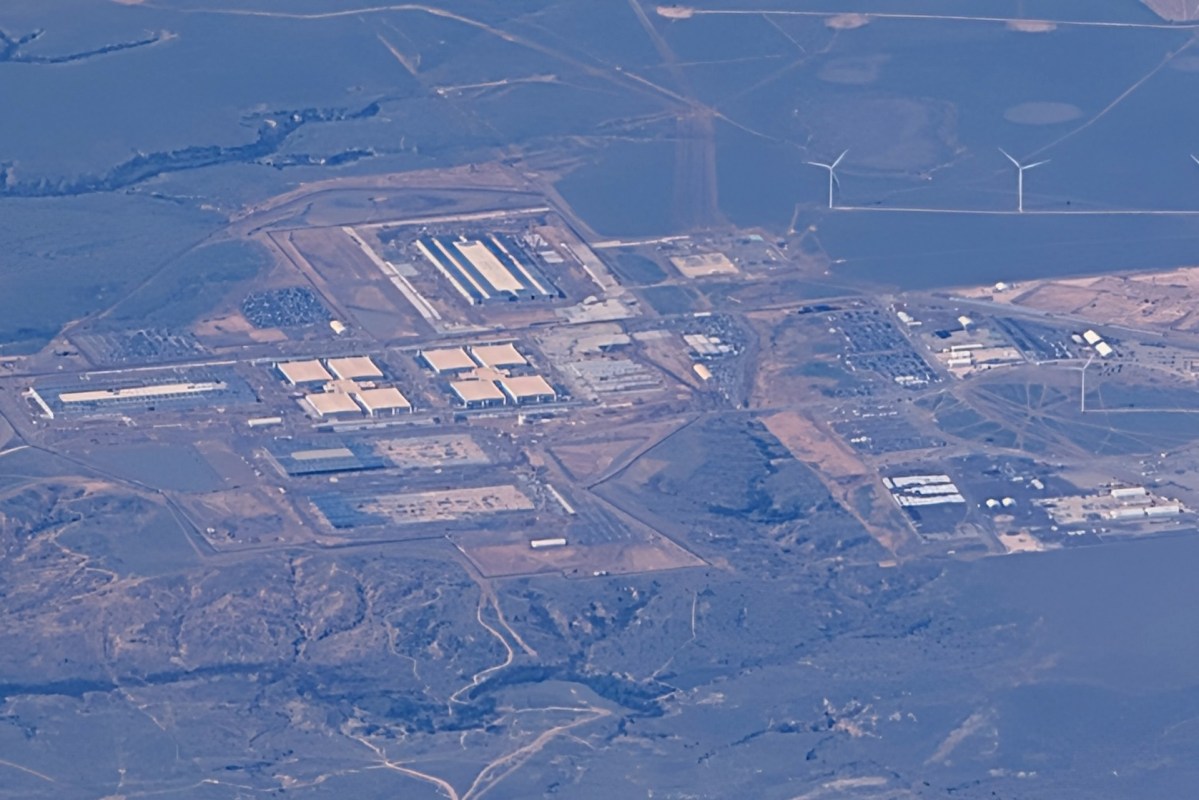
A Taylor, Texas, City Council vote has advanced a development agreement for a 664-acre data center campus beyond the city limits. Nearby families worry this could change their property, air, and day-to-day lives even though they have no vote in Taylor elections.
Here's what to know
The proposed Taylor Technology Campus, linked to Big Watt Digital and PowerHouse Data Centers, would be built outside Taylor, Texas, and could later be annexed. As CBS Austin reported, the council approved the agreement on October 8. The Texas Commission on Environmental Quality had already received an air permit application for the campus' natural gas generators, though the agency had not yet started a technical review.
That lack of local voting power is central for residents like Connie Zycha, who lives across from the proposed site and whose family has been on the land for more than 140 years, but because they are outside Taylor's boundaries, they cannot vote in city elections even though the project could affect their homes.
"We don't have a vote. We can't impact what they do," Zycha said.
City leaders argue that annexation would give Taylor more control over the campus than leaving the acreage on unincorporated county land. Daniel Seguin, executive director of community services for the City of Taylor, said the council intended "to protect surrounding neighbors."
More background
Zycha described a future in which her property's character changes dramatically.
TCD Picks » Quince Spotlight
💡These best-sellers from Quince deliver affordable, sustainable luxury for all




"I won't be able to sit in my front yard and watch the sunset. I won't be able to watch the storms roll in or hear the train go by," she said.
Under the agreement, noise at the property line would be limited to 65 decibels or the predevelopment baseline, whichever is higher. The developers also said the campus would use reclaimed water for cooling. Setbacks of at least 300 feet are planned on the north, east, and west sides, while along the southern edge closest to residents, data centers, power-generation facilities and battery storage would be at least 700 feet back.
Still, opponents say major questions remain unanswered.
"People can't make informed decisions without having information," said Carrie D'Anna, a community organizer with Halt Taylor Centers.
Retired priest Terry Pierce also raised concerns about the possible effect of emissions on children and daily life. "If the air quality is such that kids can't play outside. That is not a trade-off that is what we need here," he said. "It's not a fair trade."
What's being done?
Taylor says the agreement would put stronger protections in place than the site would face under county control alone.
To address worries about the aquifer and nearby private water supplies, Seguin said the developers will use city water instead of drilling wells.
"They will not be drilling wells. They're not gonna be accessing the aquifer beneath Taylor or impacting anyone's well water," Seguin said.
Seguin said each natural gas generator would have exhaust monitoring, and the city must send monthly reports to TCEQ. The state agency will review the permit applications and monitor compliance for the on-site generators.
The city said it posted the draft agreement online and included property-line monitoring, landscaping and earthen barriers. Seguin said the developer plans "berms along the property on the south side where the residents are" along with multiple layers of planting intended to reduce visible and audible effects.
However, new zoning rules tailored specifically to data centers are still being developed and would not apply retroactively to this project.
For Zycha, that disconnect between assurances and actual influence remains at the center of the issue.
"We moved away from the city limits to have a better quality of life for our family. Our neighbors live out here for the quality of their life. We chose to be here," she said.
Where can I learn more?
Across Texas, communities are wrestling with many of the same questions as data center proposals move forward.
• In Calallen, residents pushed back against a data center plan tied to $19.6 billion in leases.
• On a 39-acre Texas site, Project Tomahawk heads back to review near neighborhoods.
• In Hood County, officials rejected a smaller data center deal and later denied the appeal.
• In Wichita Falls, residents pressed candidates on power, water, and the region's growth.
• In Austin, officials moved to track big power users as data center rules lagged.

Get TCD's free newsletters for easy tips, smart advice, and a chance to earn $5,000 toward home upgrades. To see more stories like this one, change your Google preferences here.






