


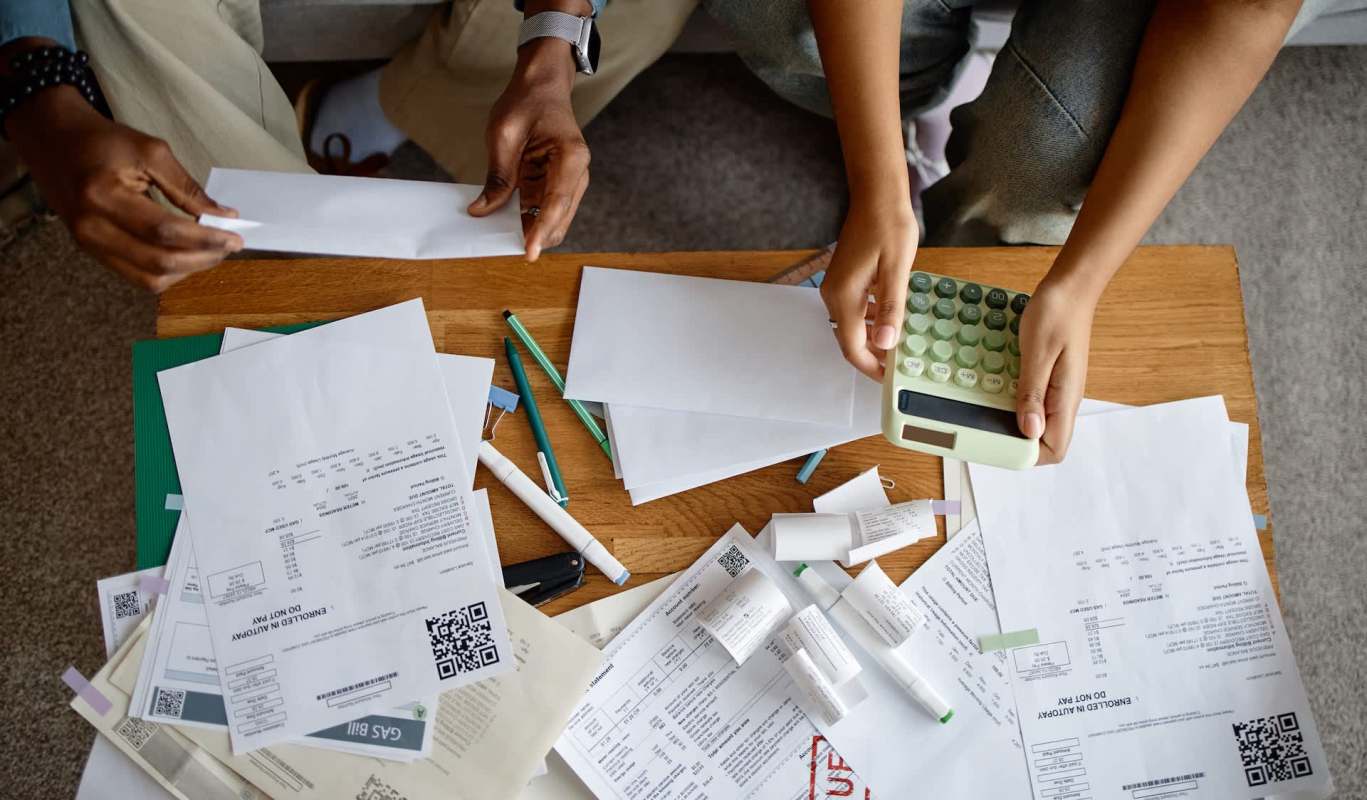
A Redditor said reviewing three household bills took about an hour and saved about $50 a month — or around $600 a year — without dropping or changing any services.
The money came from three fixes: noticing an electricity rate increase, finding a mismatch in gas pricing, and challenging an internet bill that had quietly gone up.
Here's what to know
In a post in r/mildlyinfuriating, the original poster said a check of their gas, electric, and internet bills revealed three ways to cut costs while keeping the same household setup.
The electricity bill was the quickest one to solve. The poster said the rate was 10% higher than in April and that it took about five minutes to find a cheaper supplier.
A larger discrepancy showed up on the gas bill. The supplier charged 56.85 cents per unit while advertising a 41.9-cent rate, suggesting the household got a much worse price than advertised.
The internet bill with Altafiber also climbed from $58 to $74. After a frustrating call and some pushback, the company applied a $14 monthly discount for the next two years, making it the biggest single negotiated cut.
TCD Picks » Quince Spotlight
💡These best-sellers from Quince deliver affordable, sustainable luxury for all




More background
These were essential household bills, not optional subscriptions — electricity, gas, and home internet.
Responses to the post highlighted how uneven consumer choice can be. One commenter wrote, "Laughs in American lack of choices. I have 1 natural gas provider for our area, 1 electrical for our address. I can get different internet, but its not cheaper. Glad you have the options though." Other commenters made the same point, saying competition depends heavily on where someone lives.
That same problem showed up even more sharply in a comment from Florida, where one person said their choices were FPL for electric and AT&T or Comcast for internet. The reply suggested the Redditor's strategy will not translate equally in every market.
What can be done?
The poster's savings came from auditing each recurring bill line by line and comparing those charges with what suppliers were offering.
Commenters said the same strategy can work elsewhere. One wrote, "I did this with my insurance (home and auto) and saved around $800 annually. I just downloaded my declaration pages, sent it to a few companies near me, and asked if [they] could do any better."
What appeared to frustrate the original poster most was that the bills involved necessities rather than extras: "It's not like it's my Netflix plan. If the regulations don't make them any different then Netflix what's the point of the regulations."
Where can I learn more?
People checking their insurance, internet, and energy bills have run into similar surprise increases. These cases include requoted policies, telecom discounts after rate hikes, and cheaper utility plans.
• A Progressive customer saw a six-month premium fall from $1,627 to $560 after requoting.
• A Spectrum customer saw rates rise when the promo quietly ended and was told to threaten cancellation.
• In Australia, a couple facing a $225 no-aircon power bill found relief by shopping the rate.
• In Texas, one resident switched to time-of-use billing and cut a summer power bill sharply.
• A Massachusetts nurse found savings by ditching a pricey electricity supplier after a $100 spike.

Get TCD's free newsletters for easy tips, smart advice, and a chance to earn $5,000 toward home upgrades. To see more stories like this one, change your Google preferences here.






