


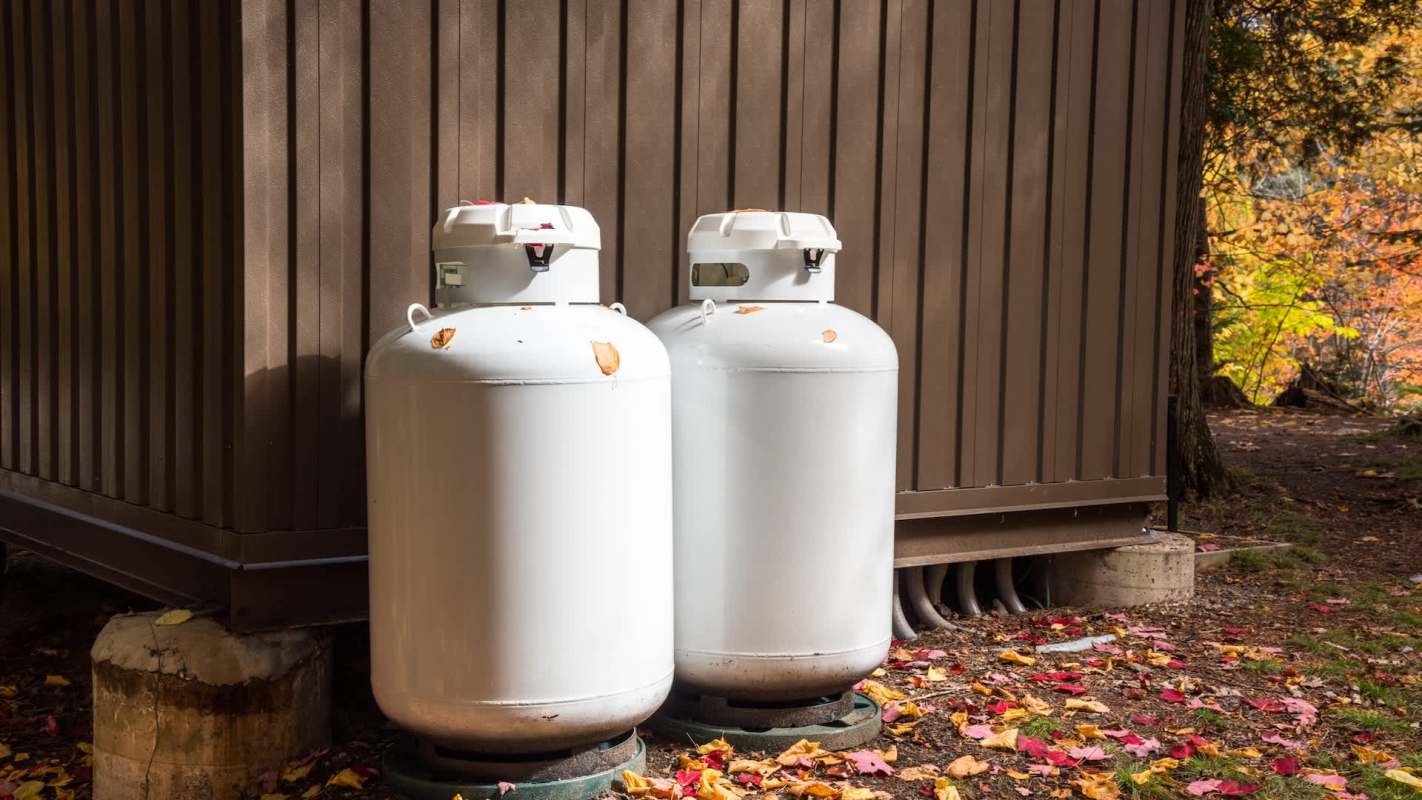
A renter trying to set up an EcoFlow smart generator worried that heavy rain could damage propane tanks stored beside the house.
In a Reddit post, the renter learned the bigger concern may be letting the tank sit directly on grass, where moisture can collect and cause rust from the bottom up.
Here's what to know
Because the home was rented and the stay would likely last only a few years, the poster wasn't sure it made sense to invest in extra storage hardware. They were deciding between setting the tanks on "a good patch of grass along a side wall" with a fitted cover or paying for a wire rack.
Weather was the reason for the question in the first place. "My concern is mostly if rain gets too heavy and I wouldn't want that to affect the tanks," they wrote, while noting that the rack models they saw online "look like they're more for indoor."
One reply argued that being outside was not the issue. "You're actually supposed to store propane tanks outside. Just don't put them in direct sunlight and they should be fine. If they are painted properly, they will take forever to rust unless they are left in the grass/dirt, and will start to rust from the bottom," the commenter wrote.
From there, the conversation turned toward separating the tanks from the ground rather than shielding them from rain. As a cheaper alternative to a rack, that commenter recommended: "I would put them on a solid surface like a large paver (2ft square pavers are $9 at Lowes)."
TCD Picks » Quince Spotlight
💡These best-sellers from Quince deliver affordable, sustainable luxury for all




More background
At its core, the thread was about a common renter dilemma, storing generator fuel outside when there is no permanent setup and limited reason to spend heavily.
Several replies leaned on personal experience instead of official guidance. One commenter wrote, "I've had my tanks out for over 30yrs," adding that one sits in the barbecue and another remains beside it "Uncovered, in the sun, rain and snow."
That same person said wear over time had not been a major concern because they use tank exchange when rust shows up: "when it rust I just bring it to a Wawa or wherever they have those cages for exchange." For someone hoping to avoid buying a rack right away, that was presented as a practical way to handle an aging tank.
Another commenter pointed to a separate issue that can matter during blackouts, security. They said a "small well ventilated shed" holds both fuel and the generator so the equipment is harder to steal.
What can be done?
The most concrete budget suggestion in the thread was simple: keep the propane tank off damp ground. Using a paver — with the cited price of "$9 at Lowes" — gave the renter a way to avoid direct contact with grass without installing a bigger storage system.
Commenters generally treated rain exposure as less important than placement and airflow. Their advice centered on outdoor storage with ventilation, avoiding grass or dirt underneath the tank, and not spending more than necessary on a rack that might be poorly suited to a short-term rental.
For anyone wanting a more complete setup, the discussion also mentioned a ventilated shed. One commenter said theirs stores "gasoline and propane" while also keeping the generator inside so it can be locked.
Tank exchange was mentioned again as the long-term fallback. According to the commenter who leaves tanks out by the barbecue, when one rusts, they replace it through a retailer's exchange cage instead of trying to preserve the same cylinder indefinitely.
Where can I learn more?
Propane tank storage raises some of the same questions people run into with corrosion, fuel containers, and other outdoor equipment. These stories look at a rusted gas appliance, propane industry messaging, and fuel container design problems.
• A homeowner with a corroded 10-year-old gas water heater weighed tankless replacement.
• Leaked recordings showed how the propane industry tried distancing itself from coal's image.
• A boater warned that a new design of gasoline containers looked dangerous as pressure built.

Get TCD's free newsletters for easy tips, smart advice, and a chance to earn $5,000 toward home upgrades. To see more stories like this one, change your Google preferences here.






