


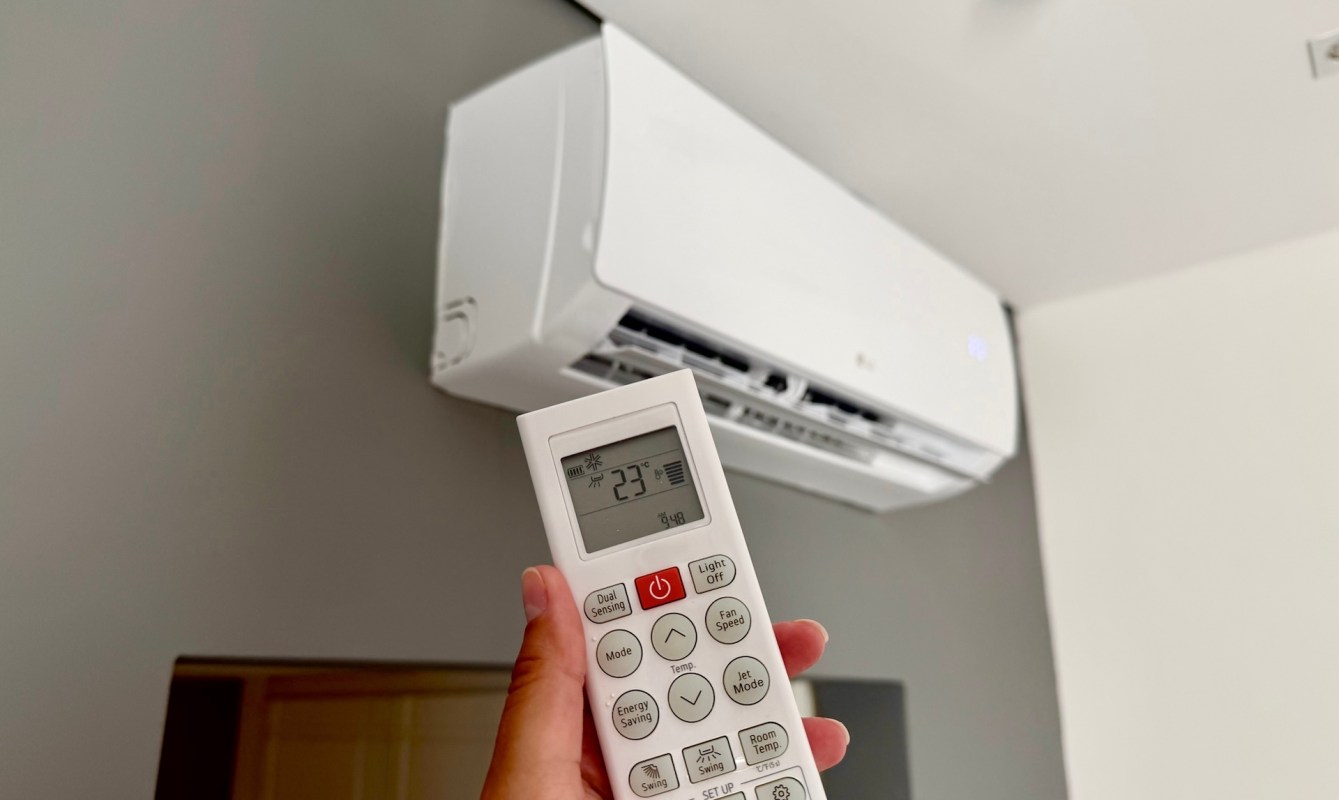
A new heat pump owner in Toronto turned to the internet for advice after their home kept getting hotter than the temperature set on the thermostat.
Here's what to know
According to a Reddit thread, the original poster explained that they had recently installed a new Kepler LUXE system with a gas furnace backup and an Ecobee thermostat. Although they were setting their thermostat to 23 degrees Celsius (73.4 degrees Fahrenheit), they found the home was consistently getting much warmer than that.
"It goes up to 25 and up," the OP wrote. "I would truly appreciate if someone could look at the settings and guide me what to do."
What commenters said
The post quickly prompted a discussion that delved into aux-heat thresholds, compressor lockouts, and the complicated calculations behind when to run electric heat pumps and when to rely on natural gas during a frigid Ontario winter.
As for the OP, the heat issue appeared to come down to the system's configuration rather than the hardware. With the combination of a heat pump and gas heat, the installer's threshold settings seemed to be allowing the temperature to rise past the thermostat's target.
However, some users cautioned strongly against fiddling with certain settings, especially the delta setting.
"It acts as a safety buffer to stop your Heat Pump from rapidly switching back and forth between heating and cooling, which prevents short cycling and saves equipment wear," one commenter explained, referring to the delta setting.
Because heating and cooling choices can have a major impact on utility bills, upgrading a system can be one of the most effective ways to save money and reduce exposure to rising energy prices. Palmetto can help homeowners understand their HVAC options and reduce their energy bills with newer, more efficient HVAC systems and heat pumps, while its Comfort Plan network can connect readers with vetted installers and efficient home solutions.
Crushed by your bills? See instant solar savings from vetted installers in just a few clicks With energy prices through the roof, there's never been a better time to go solar — and EasyHome can help you find the best prices from the best installers in your area. EasyHome takes the guesswork and headaches out of energy upgrades by showing you estimated savings from a network of vetted local partners. To get started, just enter your ZIP and share a few details about your home — seeing your estimate is really that easy. |

Looking at the unit's spec sheet, another commenter estimated that the heat pump should be able to handle most conditions on its own and estimated the gas heater might be needed only "maybe 5-10 days a winter" during the coldest stretches.
A question of cost
One major point being raised was the outdoor temperature where the OP's gas furnace should kick in. One Ontario commenter noted that "gas is much cheaper than electricity here in Ontario," while another outlined an approach where the heat pump handles spring and fall and the furnace takes over below a selected outdoor temperature.
While several commenters argued over the exact temperature at which it made sense to switch to gas, others felt the OP's heat pump would be able to fulfill their heating needs completely on its own.
"Disconnect the gas," one user wrote. "Absolutely no need at all."
Homeowners who want expert help upgrading their homes to energy-efficient heat pump HVAC equipment can look to Palmetto's Comfort Plan if they're not ready to spend up front: it includes $0-down options that can lower heating and cooling costs by up to 50%, plus 12 years of free maintenance.
And for people thinking beyond thermostat tweaks, pairing solar panels with electric appliances, including efficient HVAC systems, can drive utility costs even lower. EnergySage makes it easy to compare solar options, find the best solar system and installer for a home and budget, and help homeowners save up to $10,000 on solar installations.

Get TCD's free newsletters for easy tips, smart advice, and a chance to earn $5,000 toward home upgrades. To see more stories like this one, change your Google preferences here.






