


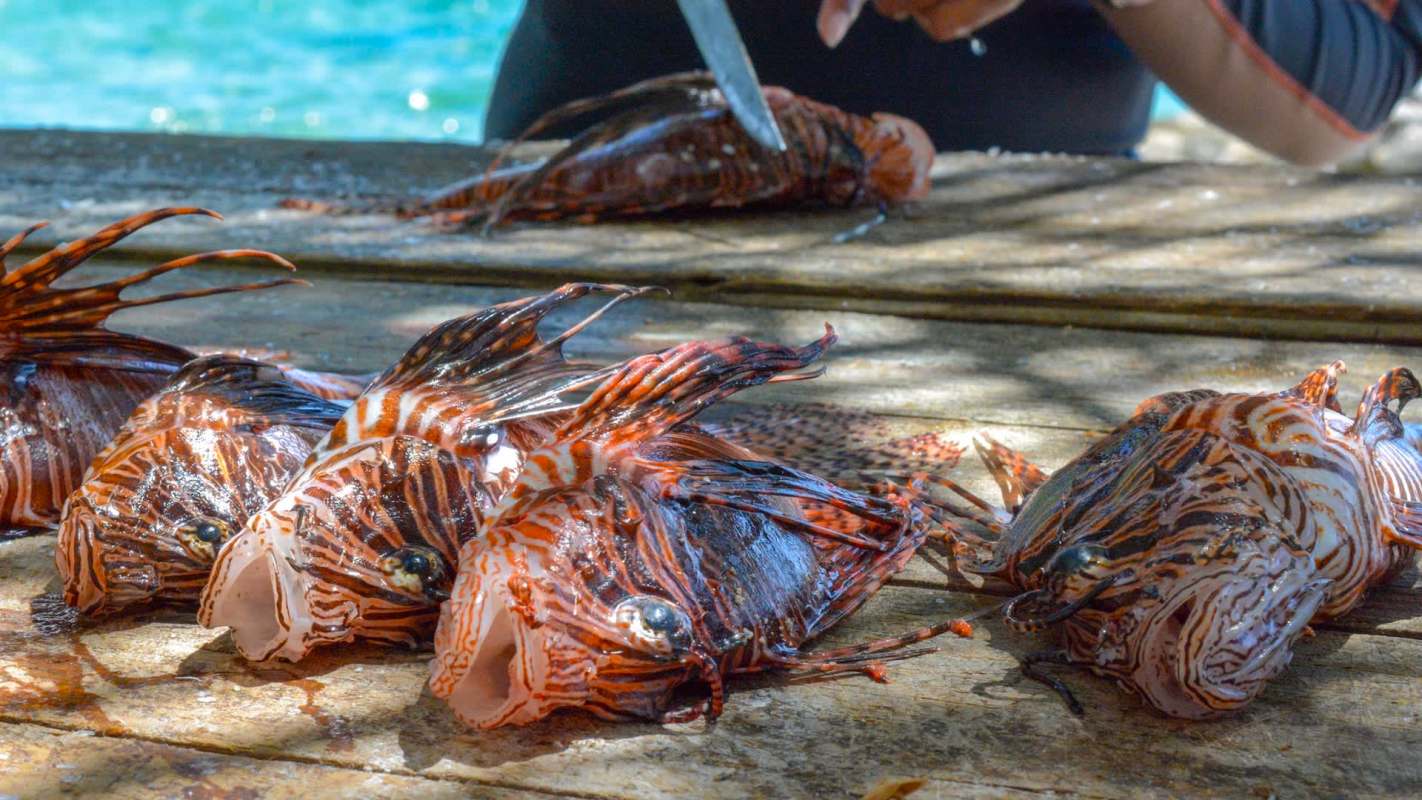
Florida divers and fishers removed 36,187 invasive lionfish from state waters during the Florida Fish and Wildlife Conservation Commission's 2026 Lionfish Challenge, setting a new statewide record.
The total surpassed the challenge's 2025 catch of more than 30,000 fish, marking a major milestone in Florida's ongoing effort to control one of the region's most damaging invasive marine species.
Here's what to know
As CBS12 reported, recreational divers and commercial harvesters joined a statewide push to remove a fast-spreading invasive species. The 2026 Florida Fish and Wildlife Conservation Commission competition ran from May 22 to Sept. 14, and 533 registered participants logged 1,468 dive trips.
FWC said Hunter Ledbetter of Monroe County finished as "Lionfish King" with 1,541 lionfish. Helen Rodney of Broward County earned the "Lionfish Queen" title with 1,488 lionfish, while David Garrett of Volusia County was named "Commercial Champion" with 1,136 pounds of lionfish.
FWC also recognized Meagan Huffman of Texas as "Junior Champion" with 185 lionfish. Ledbetter, a U.S. Marine Corps veteran, also earned "Veteran Champion" honors.
In Pensacola, Dive Pros earned Top Checkpoint status after collecting more than 5,000 lionfish tails.
TCD Picks » Quince Spotlight
💡These best-sellers from Quince deliver affordable, sustainable luxury for all




More background
FWC says lionfish, native to the Indo-Pacific, are now established across much of the western Atlantic, the Caribbean, and the Gulf of Mexico. In the waters they have entered, they reproduce quickly, compete with native species for food and habitat, and have no natural predators.
For Florida's reefs and coastal ecosystems, those traits make removal efforts especially important.
Recreational divers and commercial harvesters help safeguard Florida's marine ecosystems, FWC Marine Fisheries Management Director Jessica McCawley said. Local divers, businesses, and fishing communities also contributed to the response.
What's being done more broadly?
According to FWC, the Lionfish Challenge is part of the agency's broader lionfish outreach and removal efforts.
FWC is also directing people to its Reef Rangers site, which includes information about lionfish, statewide program details, and ways for divers, anglers, and commercial harvesters to get involved.
"The record-breaking success of the Lionfish Challenge demonstrates the powerful conservation impact of collective action," FWC Chairman Rodney Barreto said. "Removing the fish helps reduce pressure on native marine species and protect Florida's marine ecosystems."
Where can I learn more?
These stories show how divers, coastal communities, and wildlife officials are dealing with lionfish and other invasive fish that threaten aquatic ecosystems. They follow Florida reef dives, explain why removing lionfish matters, look at harvesting the species for food, and track another invasive-fish roundup.
• On a Fort Lauderdale reef dive, a container with invasive lionfish quickly filled, including one unusually large catch.
• Along Florida's coast, reef footage shows why unchecked lionfish can devastate native marine life.
• In Florida, one diver says saving tiny reef fish from lionfish makes every spearfishing trip worthwhile.
• Across coastal markets, chefs and divers ask whether eating lionfish can help slow the species' spread.
• In a separate invasive-fish competition, officials urged residents to get rid of armored catfish before ecosystems suffer more serious damage.

Get TCD's free newsletters for easy tips, smart advice, and a chance to earn $5,000 toward home upgrades. To see more stories like this one, change your Google preferences here.







