


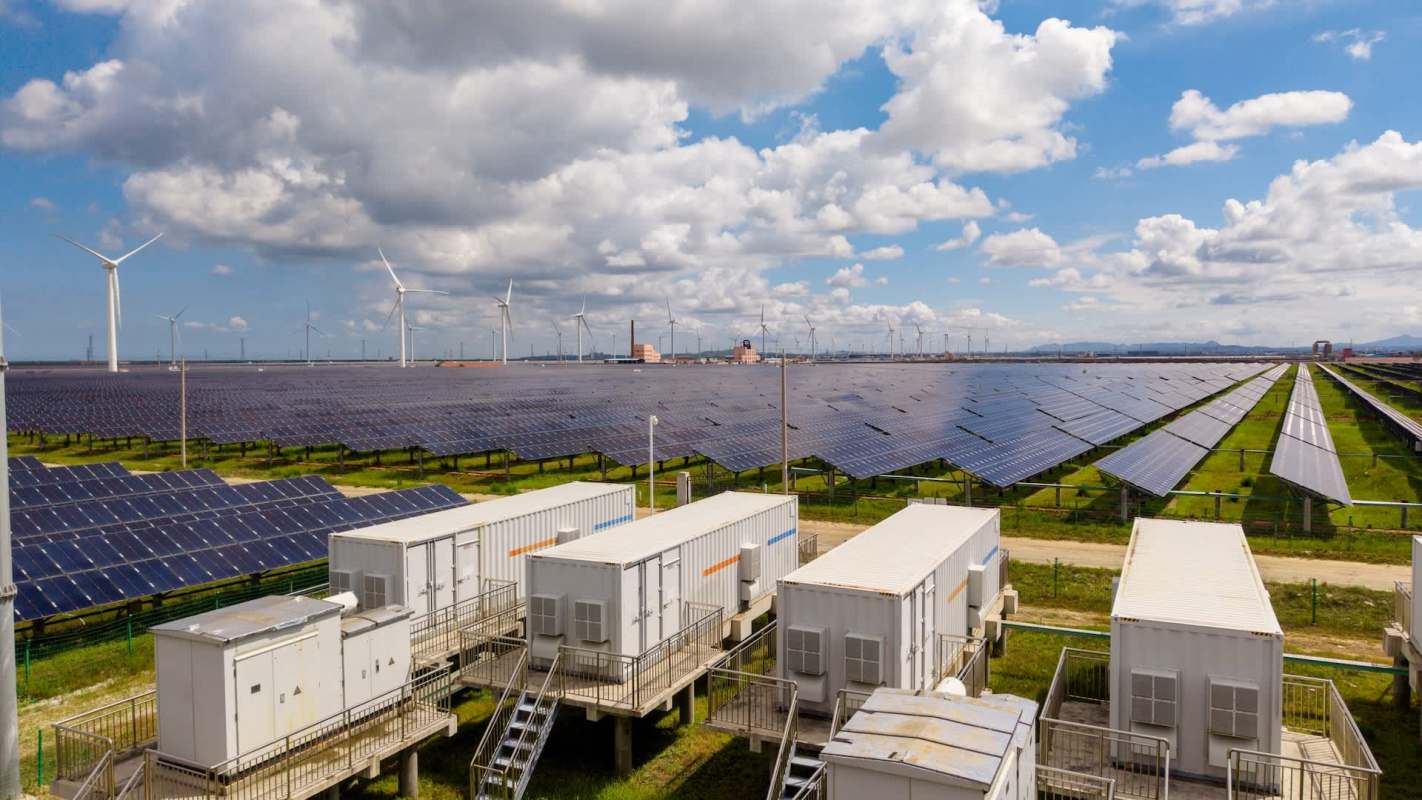
Dominion Energy's latest long-range power plan for Virginia calls for a major buildout of new generation while keeping fossil gas in a central role.
For customers, the cost implications could be significant. Under the State Corporation Commission's method, a household that uses 1,000 kilowatt-hours a month would pay $458.22 by 2046.
Here's what to know
According to the Virginia Mercury, Dominion's annual integrated resource plan submitted to the State Corporation Commission envisions adding as much as 39 gigawatts of generation over the next two decades. That portfolio includes more than 21 gigawatts of solar, 9 gigawatts of gas, 3.5 gigawatts of battery storage, 3.3 gigawatts of wind, and 2 gigawatts of small modular reactors.
Dominion is not presenting the filing as a final roster of projects to be built, but it does show how the utility expects demand to change. The company forecasts nearly 4% annual load growth, or 500 to 700 megawatts, and says total electricity demand could be twice as high by 2045.
Although the Virginia Clean Economy Act aims to phase out carbon-producing power sources such as coal and natural gas, Dominion argues that gas will still be necessary, as the Mercury noted.
In the filing, the company said, "To meet the energy and capacity needs associated with the load forecast, and in the absence of a commercially viable carbon-free, dispatchable generation alternative, natural gas generation will remain a critical component of the (Dominion's) strategy to reliably meet generation demand."
TCD Picks » Quince Spotlight
💡These best-sellers from Quince deliver affordable, sustainable luxury for all




The company and regulators also diverge sharply on what this could mean for household bills. According to the Mercury, Dominion estimates that a household using 1,000 kilowatt-hours per month would pay $258.03 by 2036 and $283.65 by 2046, while the SCC's method puts those figures at $320.26 and $458.22.
More background
The plan update will not go through full litigation or revision through a final order, so the filing is not a settled outcome. The SCC will review it for sufficiency, and the full trial on the updated integrated resource plan is set for fall 2027.
Dominion is also continuing to challenge the regulators' approach to projecting future customer bills. "(Dominion) believes that this methodology results in overstated bill projections because it does not reflect anticipated growth in sales over the period on which each portfolio is based," the filing read.
Still, even Dominion's lower estimate points to significantly higher monthly utility costs over time. Electricity could soon become a much heavier burden for families already dealing with rising housing, food, and transportation costs.
Virginia is already among the East Coast's biggest energy importers, and Dominion said it wants to rely less on electricity bought from PJM, the regional grid operator. However, adding 9 gigawatts of new gas generation to do that could leave customers tied to fossil-fuel infrastructure for decades.
What's being done?
Dominion said its preferred plan would still rely mostly on lower-pollution resources. Jeremy Slayton, a Dominion spokesperson, said the proposal includes "more than 39 gigawatts of new power generation assets over the next 20 years — more than three-fourths of which is carbon-free solar, offshore wind, energy storage and advanced nuclear technology — and a decreasing reliance on more costly purchases from the PJM market."
Slayton added that bringing more generation online in Virginia would reduce dependence on "more costly purchases from the PJM market." Dominion is presenting the buildout as both a reliability measure and a way to reduce exposure to outside market prices.
The SCC's review and the 2027 trial will determine how closely Dominion's assumptions about demand, costs, and gas reliance align with reality.

Get TCD's free newsletters for easy tips, smart advice, and a chance to earn $5,000 toward home upgrades. To see more stories like this one, change your Google preferences here.






