


A Florida Panhandle homeowner turned to social media with a storm-prep dilemma.
Wanting to power their central HVAC, the resident questioned whether they should keep relying on smaller generators or buy a larger 14,000/18,000-watt Westinghouse portable model.
Here's what to know
According to the post on Reddit's r/Generator forum, the homeowner already owns a Honda 2200 for lighter loads and a separate 5,000-watt generator for outages.
The original poster also said they were considering a much larger Westinghouse because they were "Wanting to mimic 'whole house' power without perm install." OP also noted that they do not have natural gas and are "not real keen on a monster propane tank install."
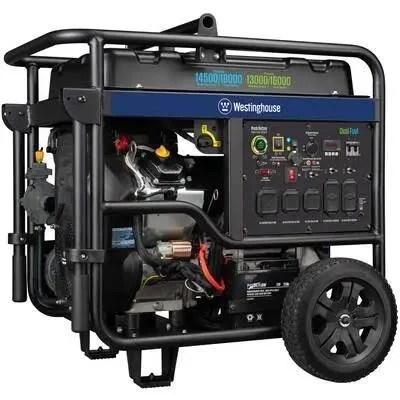
Fuel burn quickly became the central objection in the comments section. After one commenter asked, "What's your plan for sourcing or storing 30 gallons of gas a day?" another piled on, calling the generator "a thirsty unit" and saying it would provide "more power than they can use." The OP later acknowledged the fuel issue, writing, "Fuel storage/capacity is a factor, good point."
Instead of stepping up to a much larger machine, another commenter pointed to a cheaper way to make nights during an outage easier. The user recommended that OP "Get a window AC unit for your bedroom and use your 5k. The bigger the unit the more gas it uses per hour even unloaded. Gas can be hard to find in a major outage."
TCD Picks » Quince Spotlight
💡These best-sellers from Quince deliver affordable, sustainable luxury for all




Because the homeowner already has a smaller generator, that route could avoid the cost of an upgrade while also reducing fuel use.
Commenters also cautioned that a high-wattage portable generator still has practical limits when tied into a home. One explained, "Only so much power you can send thru a 50 amp power inlet/breaker." A second user added that "11k is the continuous limit for 240v at 50 amp." That same commenter said the setup would need to be "perfectly balanced 5,500 watts each leg."
People who had used similar equipment added more context. A Florida commenter said they bought "the exact one" in June, that it powered "the whole house + AC," and that they purchased a 40-gallon gas tank for "$200," though they also noted that it "was loud." Another commenter confirmed that this unit was "Very loud. Very, very loud."
What can be done?
Rather than running central cooling, several commenters argued for lowering the cooling target. Pairing a bedroom window AC with the existing 5,000-watt generator would likely mean lower upfront costs, less gasoline to store, and less stress in trying to secure fuel after a storm.
Other commenters focused on changing fuels instead of simply moving to a larger generator. One said they keep "two 100lb propane tanks strapped to dollies for easy movement" and had "yet to go through an entire 100lb tank in an outage."
Quieter models came up too. One commenter said a tri-fuel 8200/6600 inverter was "much quieter," while another with a 12,000-watt dual-fuel Westinghouse inverter said it is "extremely quiet" and still starts reliably during monthly test runs.
Where can I learn more?
These articles also raise the same backup-power tradeoffs as the Florida homeowner's generator story.
• Across the U.S., homeowners are replacing gasoline generators with batteries to keep essential loads running quietly.
• Families are choosing safer home battery backups over gasoline units that can leak fumes during outages.
• General Motors is betting drivers will use electric trucks for backup instead of standalone generators.

Get TCD's free newsletters for easy tips, smart advice, and a chance to earn $5,000 toward home upgrades. To see more stories like this one, change your Google preferences here.






