


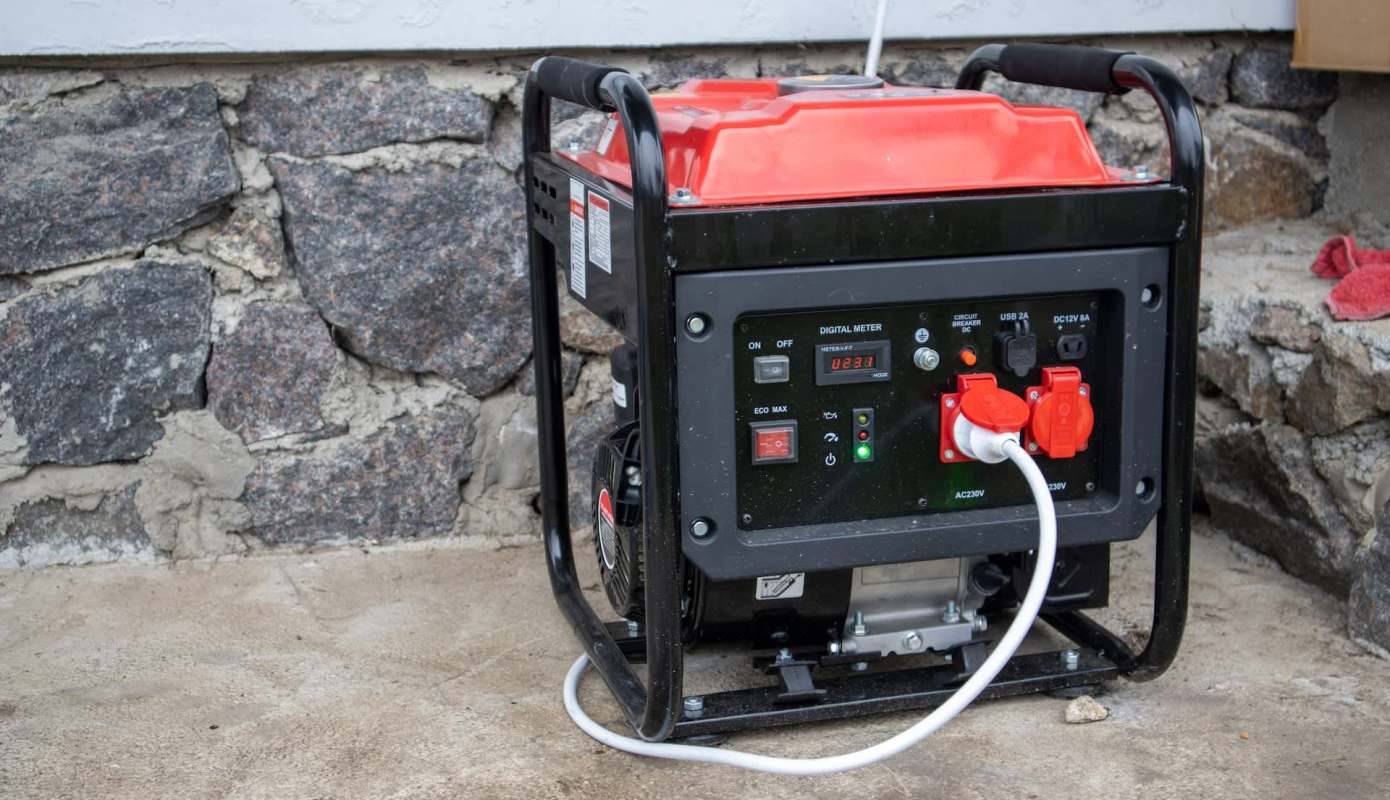
A homeowner considering an upgrade to a tri-fuel generator was concerned whether a 7,000-watt unit would be enough to power the air conditioning, a refrigerator, and a few lights in their 2,000-square-foot house. The homeowner also wondered whether they would lose any generator capacity when running the unit on natural gas.
Looking for answers, they turned to Reddit for advice.
Here's what to know
Posting to Reddit's r/generator forum, the homeowner explained that they wanted to replace an older Predator 6500 generator and were considering an upgrade to a tri-fuel unit. For context, they added that their home uses a gas water heater and a gas furnace for heat.
Before pulling the trigger on a new purchase, the original poster wanted to make sure the new generator would have enough capacity, especially when powered by natural gas. In the comments, users confirmed that the OP should expect some output loss when using natural gas.
"It will be more like 5500 watts on natural gas," one commenter estimated, a drop of more than 20% from the unit's 7,000-watt max capacity.
Similarly, another commenter advised that the OP should expect the generator to be "about 15% less powerful" than it would be on gasoline. For the OP, that drop-off would determine whether the tri-fuel option was worth it.
TCD Picks » Quince Spotlight
💡These best-sellers from Quince deliver affordable, sustainable luxury for all




"If it's a minor drop it won't be a problem but if it's a big drop it would," the OP explained.
More advice from commenters
Some commenters pointed out other things for the OP to consider while deciding if a tri-fuel generator was right for them. For example, one reply showed how significantly a home's gas-line location can factor in.
That commenter had also been considering natural gas for their generator, but they soon discovered their natural-gas hookup was on the opposite side of the house from where the generator would be located. Additionally, the final 21 feet of the gas line used 1/2-inch black pipe.
With that limited input, the commenter was told that continuous output could drop to "between 2500-2800 watts," far below the roughly 3,600- to 3,800-watt load they needed.
The commentator added that they had learned that, for an 11-horsepower engine, the "absolute minimum" gas line size was 3/4 inch, with 1 inch being ideal. Another factor was gas pressure, with lower pressure causing an even greater loss in generator output.
With so many factors affecting the generator's capacity, one commenter suggested referring to the manufacturer's product description for more information.
"That should be listed in the specs," the commenter said. "They typically list outputs based on fuel source on dual and tri fuel models."
Where can I learn more?
As the OP found out, shopping for backup power involves weighing many different factors, including whether battery backup or a fuel-powered generator is best for a given situation. The following articles explore different aspects of battery storage and the potential benefits of going electric over gas for landscaping tools.
• Many homeowners have turned to backup battery systems that pair with rooftop solar during outages.
• Commercial leaf blowers can create smog-forming pollution comparable to long stretches of driving.
• Reddit homeowners said electric lawn tools have stayed reliable for years with less maintenance.
• More homeowners have found electric to be so easy when replacing gas trimmers and similar tools.

Get TCD's free newsletters for easy tips, smart advice, and a chance to earn $5,000 toward home upgrades. To see more stories like this one, change your Google preferences here.






