


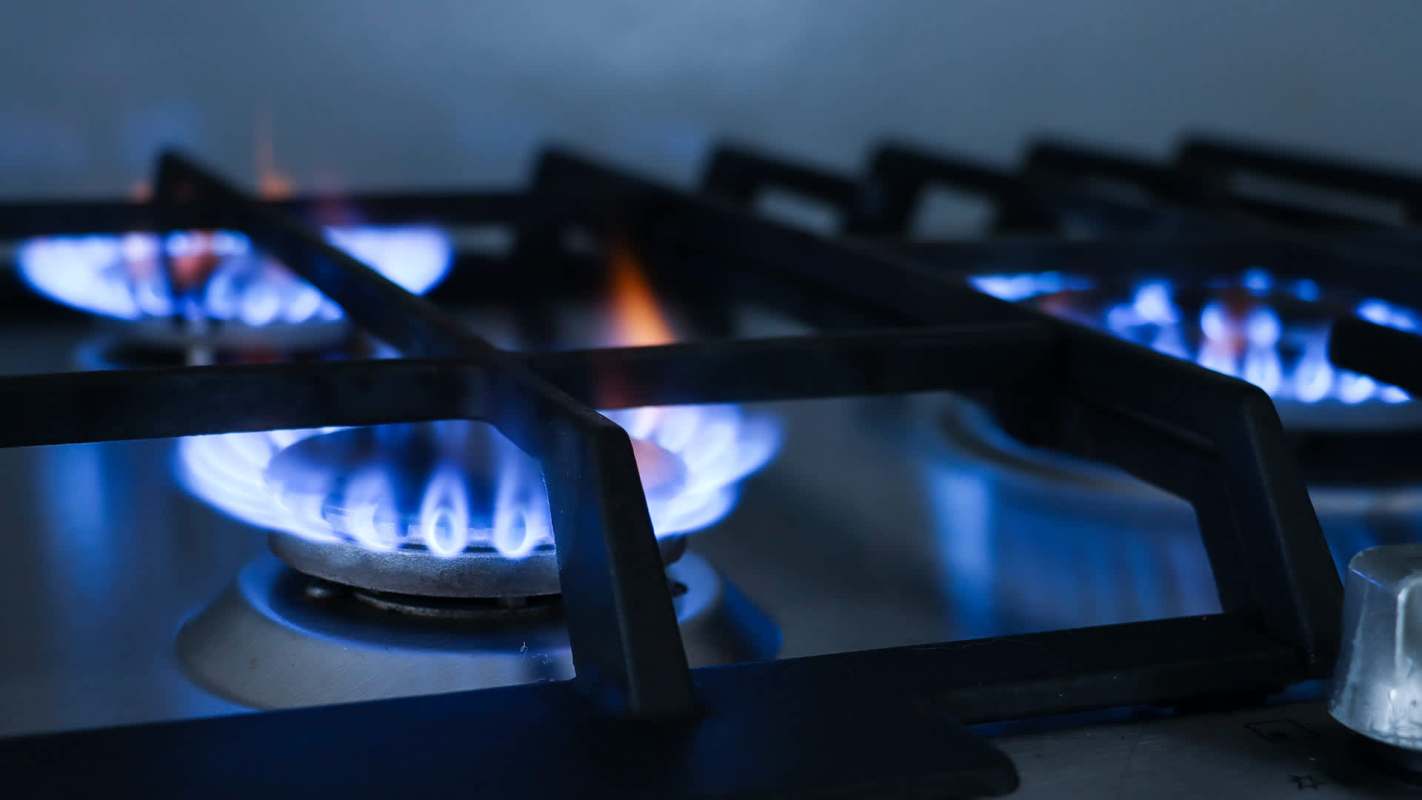
New York City residents are paying for gas that leaks into the air before it's ever burned.
Researchers at Columbia University estimated that almost 2% of the gas sent across the five boroughs escapes before it can be put to use, a loss they placed at roughly $300 million a year — which also adds to the city's climate pollution.
Here's what to know
Rather than measuring pollution from combustion, Columbia researchers examined city methane data from 2023 and 2024 and identified gas that leaked out unburned, Gothamist reported. That means the study was not counting emissions from burning gas or from power plant exhaust.
Lead author Yuwei Zhao said the most likely leak sources are the city's extensive underground pipeline system and gas-powered equipment inside buildings, including stoves and boilers. Researchers are still collecting data to figure out how much each source contributes.
Calling the losses costly, Columbia professor and study co-author Roisin Commane said, "The leaks are a massive waste of money." She also noted that New York City is the Northeast's biggest source of methane pollution and that these leaks make up a large part of it.
The highest emissions showed up during the winter heating season and the summer cooling season, when natural gas delivery and use typically rise.
TCD Picks » Quince Spotlight
💡These best-sellers from Quince deliver affordable, sustainable luxury for all




More background
Gothamist reported that methane has more than 80 times the short-term warming impact of carbon dioxide, and that gas provides more than 90% of New York City's electricity.
The study said the problem could intensify if hotter summers and colder periods push up demand for air conditioning and heat.
"With global temperatures continuing to rise, leading to more frequent, prolonged and intense extreme weather events, including extreme heat and extended cold periods, energy demand for both cooling and heating is expected to grow," the study stated. "Without a transition to cleaner energy sources, this increased energy demand could lead to higher methane emissions in urban regions."
Gothamist noted that roughly two-thirds of the city's gas pollution comes from buildings through cooking and heating, tying the leaks to both that pollution and the way homes and apartment buildings are powered.
What's being done?
A central unanswered question is how much of the methane is leaking from buried pipelines versus appliances such as stoves and boilers. That split could help officials and utilities decide which sources to target first.
New rules are also on the way: city and state laws barring buildings from burning gas or oil are due to take effect soon.
The Northeast Supply Enhancement pipeline is still tied up in litigation over its New Jersey portion, while federal officials continue pushing the Constitution Pipeline forward despite pushback from state regulators.
Fixing leaks and reducing dependence on gas would address both wasted fuel and fast-acting climate pollution.
Commane said, "For methane, the atmospheric lifetime is about a decade, so if we can reduce the emissions for methane, we'll see a difference in climate warming within about a decade."
Where can I learn more?
Cities and states are dealing with the costs and consequences of relying on gas.
• Across New York City, household energy insecurity remains widespread and falls unevenly across neighborhoods.
• New York's fight over gas hookups in new homes became a high-stakes political battle.
• In Massachusetts, utilities poured $100M into gas lines even as 10 communities went fossil fuel free.
• Massachusetts lawmakers approved big changes to gas heating as they overhauled the state's energy policy.
• Los Angeles moved toward cleaner buildings by banning natural gas in new buildings citywide.

Get TCD's free newsletters for easy tips, smart advice, and a chance to earn $5,000 toward home upgrades. To see more stories like this one, change your Google preferences here.






