


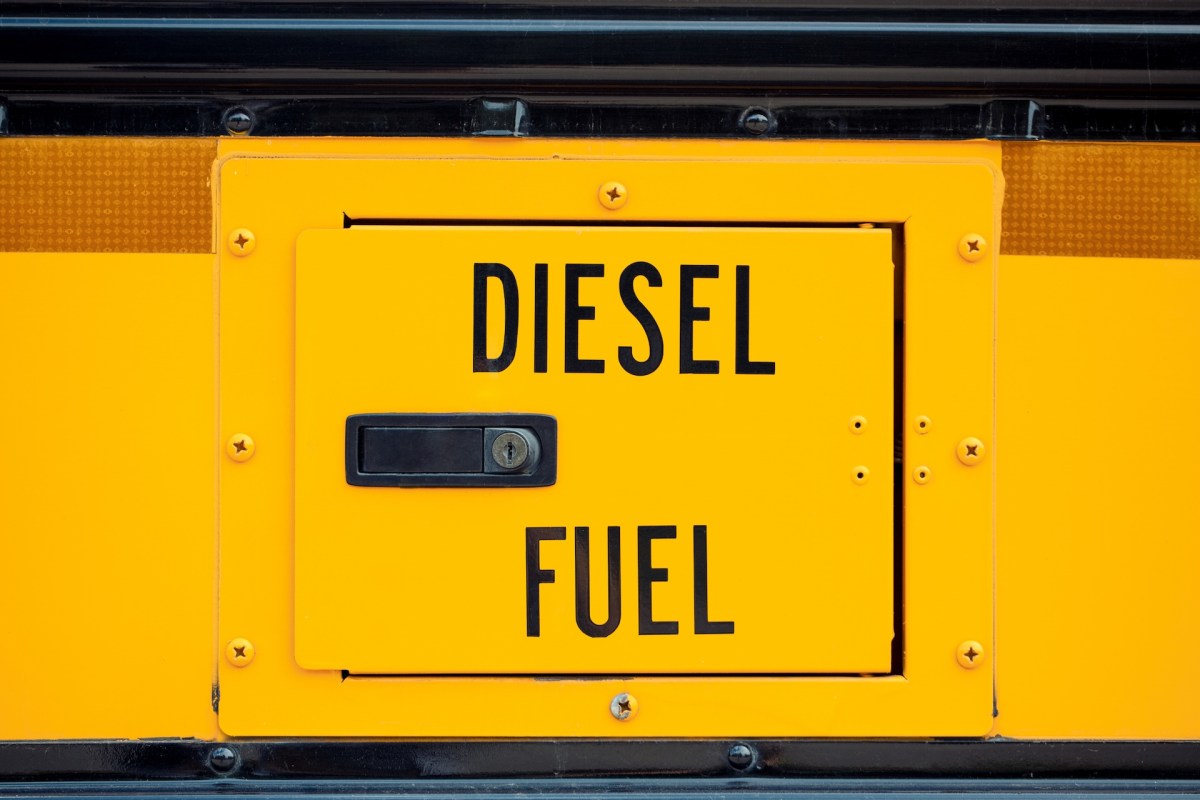
If current fuel costs persist, Peabody Public Schools warns that its diesel bill alone could climb by roughly $100,000 — reflecting broader budget pressure across school districts as energy prices rise, WBTS-CD reported.
Sam Rippin, Peabody Public Schools' chief financial officer, described what that could mean for the district.
"With limited resources, $100,000 is a teacher with benefits," he said.
Here's what to know
A clause in Peabody's transportation contract triggers extra charges once diesel tops $3.75 a gallon.
The district runs 26 school buses, and record diesel prices — with gasoline also still high — have made that surcharge far more costly.
To cover the increase, the district could halt nonessential spending unless it can find enough savings elsewhere in the budget, Rippin said. Optional classroom purchases and professional development for teachers are among the costs that could be on the chopping block.
TCD Picks » Quince Spotlight
💡These best-sellers from Quince deliver affordable, sustainable luxury for all




Peabody is not alone in facing higher bills.
Glenn Koocher, executive director of the Massachusetts Association of School Committees, said almost every district statewide will likely feel the effects as prices rise for transportation, heating schools, food deliveries, and other services.
"I don't know that anyone could absorb it without tightening their belts," Koocher admitted. "And tightening the belt in the middle of the fiscal year is a very significant challenge."
More background
The issue is especially disruptive because school systems cannot simply pause core operations when costs rise.
Buses still need to run, buildings still need to be heated, and vendors still need to make deliveries even when fuel prices spike unexpectedly.
According to Koocher, districts may need to draw on reserves, cut supplies, or reshuffle other spending to stay within already approved funds. In school systems with little budget flexibility, those mid-year adjustments quickly reach classrooms and routine operations.
As Massachusetts districts pay more for diesel and heating oil, families are also living with an energy system in which coal and natural gas power plants contribute to air and water pollution linked to asthma, heart disease, cancer, and premature death.
Dependence on fossil fuels keeps energy costs high for households that rely on them instead of more abundant sources like sunlight and wind.
Industry lobbying slows cleaner, cheaper energy solutions that would help protect families and stabilize public budgets.
That leaves communities like Peabody more vulnerable when global oil and gas markets are disrupted, and the cost of running buses, heating schools, and moving goods suddenly rises.
What's being done?
In Peabody, officials are considering cuts to transportation spending, such as combining bus routes.
Rippin expects to outline possible budget solutions for the school committee.
Peabody is also considering pausing nonessential purchases if savings from other parts of the budget don't cover the added diesel expense. The priority would be maintaining required services, even if some other spending has to wait.
At the national level, President Donald Trump has announced a deal with Russia to bring more diesel fuel into the United States to lower prices.
However, it remains unclear how much help the agreement may provide or how quickly any price drop might reach school districts.
The deal has drawn bipartisan criticism.
Political commentator Sue O'Connell said that because Russia is an ally of Iran, "we're now doing business with the country who's helping the country shooting at us," while also helping finance Vladimir Putin's war against Ukraine.
"You have to pay the utility bill. You have to pay the transportation bill," Rippin noted.
Where can I learn more?
These stories look at the same cost squeeze from a few angles. They cover electric school buses and the toll coal-fired power can take on ratepayers.
• School districts nationwide have seen orders for electric buses surge as diesel costs bite.
• EPA funding helped schools replace older diesel buses with all-electric fleets.
• In Missouri, cities fought pollution as power bills soared 191% after coal disputes.

Get TCD's free newsletters for easy tips, smart advice, and a chance to earn $5,000 toward home upgrades. To see more stories like this one, change your Google preferences here.






