


New Mexico and El Paso each adopted climate plans to cut emissions sharply by 2050.
But near the Texas-New Mexico border, three huge data center projects linked to the AI boom could swamp those goals with pollution from the power plants expected to keep them running, according to El Paso Matters.
Here's what to know
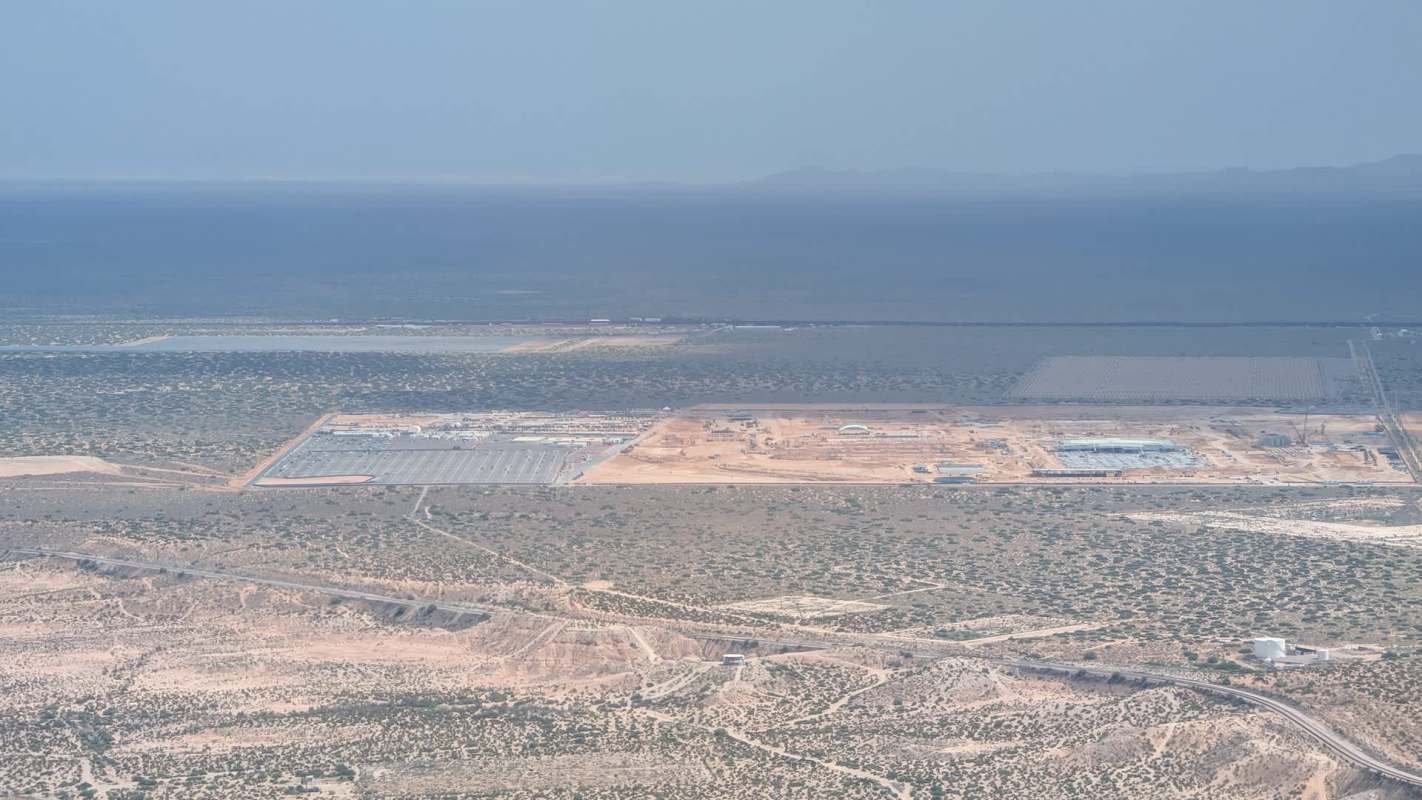
Within about half an hour of one another are three major sites: Oracle's Project Jupiter in Doña Ana County, Meta's data center in northeast El Paso, and a proposed third campus at Fort Bliss.
Together, the three developments could add millions of tons of greenhouse gases and release other pollutants that will worsen air quality in the region.
The two projects with disclosed power plans — Oracle's and Meta's — could produce as much as 10 million tons of climate-heating pollution a year. That is more than the 8.4 million tons emitted in 2019 across El Paso and neighboring Hudspeth counties.
Dave DuBois, New Mexico's state climatologist, warned the projects are "going to undo a lot of the very expensive and very meaningful work a lot of people are doing."
TCD Picks » Quince Spotlight
💡These best-sellers from Quince deliver affordable, sustainable luxury for all




Surging demand for AI tools such as Claude and ChatGPT is driving the rapid build-out.
That technology can help streamline operations and improve how systems are managed, including in the energy sector, but it also requires enormous amounts of electricity and water.
In El Paso and southern New Mexico, that has fueled concerns about more pollution, grid strain, and higher household energy costs.
More background
Their scale is massive, but the system overseeing them is patchwork.
With developments split between two states and no single federal rule that fully covers climate pollution, regulators mostly evaluate each project on its own.
Ari Peskoe of Harvard Law School, who directs the Electricity Law Initiative, addressed the underlying issue.
"We've never had a national climate law passed by Congress. And so what we've had in this country are primarily state and local efforts," Peskoe explained.
That means nearby communities have limited sway over projects just across a state line.
Sarah Silva, a Democratic New Mexico state representative, represents Chaparral across the border from Meta's site, but New Mexico's authority stops there.
West El Paso residents share an aquifer with Project Jupiter, but they have no formal say over the New Mexico project.
According to Climate Central, El Paso has warmed faster than nearly any other American city since 1970, and the National Weather Service said 2026 was the hottest year on record there through the first nine months.
Shaolei Ren, who teaches electrical and computer engineering at the University of California, Riverside, said even relatively modest increases in pollution are detrimental.
"The health impacts can be significant for local communities."
What's being done?
Major regulatory disputes continue to slow the projects.
Oracle filed Project Jupiter's air permit in April, and New Mexico officials have spent months reviewing it, while court challenges over the approval process and groundwater use have delayed a public hearing.
The state Supreme Court lifted that stay, and an examiner was appointed to run the hearing.
In Texas, El Paso Electric is still seeking approval from the Public Utility Commission to build the natural gas plant planned next to Meta's facility.
Gov. Greg Abbott has also said data centers should pay for their own infrastructure and has pushed lawmakers to consider new rules on water and electricity use, though those ideas do not directly address climate pollution.
After initially backing legislation that gave certain off-grid facilities a 20-year exemption from clean-energy rules, Silva later said she "would support a moratorium."
Oracle has claimed it aims for net-zero greenhouse gas emissions by 2031 and is "committed to building Project Jupiter responsibly and incorporating community feedback into our planning."
DuBois noted that the shift feels like a step backward in a border region already dealing with extreme heat.
"If we started to do these kinds of things — having big data centers with natural gas-fired turbines — it's kind of like bringing back a lot of the retired plants that were more dirty, like coal."
Where can I learn more?
These stories look at how AI's rapid expansion is colliding with energy, water, and climate pressures in Texas and New Mexico. They cover gas-backed data center power plans, local resistance, and the broader surge in electricity demand.
• In Texas, Google's gas-powered backup plan shows AI growth straining clean energy promises.
• In New Mexico, data center moratorium calls grew over AI's water and air impacts.
• Across the US, AI data centers hit a tipping point in electricity demand.

Get TCD's free newsletters for easy tips, smart advice, and a chance to earn $5,000 toward home upgrades. To see more stories like this one, change your Google preferences here.






