


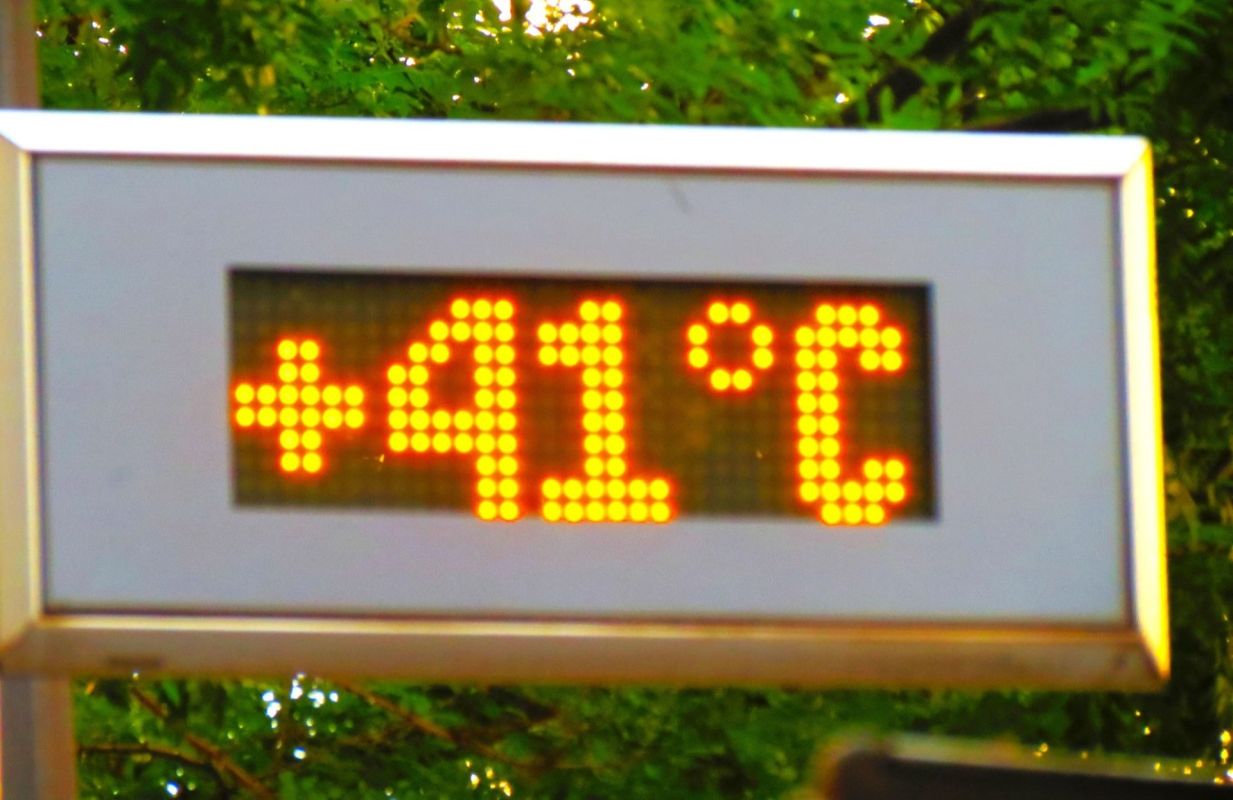
Western Europe recorded its hottest summer on record in 2026, with more than half the region experiencing conditions that felt hotter than 100.4 degrees Fahrenheit (38C) and a record 13 days of "very strong" heat stress.
Here's what to know
According to an EU Copernicus climate monitoring update reported by The Guardian, western Europe ran 4.5 degrees Fahrenheit (2.5C) above the norm of the last 10 years from June through August. With somewhat milder conditions elsewhere, Europe as a whole still logged its third-hottest summer on record.
Across at least 60% of western Europe, temperatures exceeded 86°F (30C) on 17 summer days. In 2003, another infamous year of heat, that occurred only 11 days, and in 2025, just seven. Western Europe also recorded a new high of 13 days classified as "very strong" heat stress.
The heat arrived ahead of schedule. Copernicus said a late-May heat wave brought summer-like conditions earlier than usual and caught climate scientists off guard, while extreme heat continued into September.
More background
These findings from Europe come amid a powerful El Niño that is lifting global temperatures and worsening destructive weather in regions from South America to Australia. The Guardian reported that this natural warming pattern has already broken temperature records months before its usual year-end peak and could contribute to nearly half a million additional heat-related deaths.
Europe usually feels El Niño in less direct ways with higher food prices and inflation. The report said western Europe's intense summer heat, by contrast, was driven by pollution caused by burning coal, oil, and gas that traps warmth in the atmosphere.
TCD Picks » Quince Spotlight
💡These best-sellers from Quince deliver affordable, sustainable luxury for all




Europe experienced a particularly severe combination of extreme heat, drought, and wildfires in 2026. Record-high sea temperatures, unusually low river levels, and exceptionally dangerous fire conditions contributed to nearly 680,000 hectares of land burning by the end of September, making it the continent's third-worst wildfire season on record.
The fires also worsened air pollution, producing about 30% more fine particulate matter than the average of the previous 20 years. Climate researchers say the growing frequency and intensity of extreme weather events point to major changes in Europe's climate.
What's being done?
To reduce the risks from extreme heat, health and climate experts are urging governments to reduce coal, oil, and gas use, expand shade and green spaces in cities, and ensure hospitals, schools, and care facilities have adequate cooling systems.
Samantha Burgess, a climate scientist at the European Centre for Medium-Range Weather Forecasts, said, "As the climate continues to warm, events like these underscore the importance of building resilience to increasingly interconnected climate risks."
Where can I learn more?
These stories take a closer look at how extreme heat is disrupting daily life across Europe.
• Across Europe, deadly heat has obliterated records, closing schools and exposing public-health gaps.
• As Europe braced for 104-degree heat, experts warned that tropical nights may be the bigger threat.
• Red alerts swept Europe as a second heat dome killed 18 in France.
• From Spain to Germany, 38C spring heat signaled a dangerous new normal.
• In the UK and France, freak May heat shattered records and turned deadly.

Get TCD's free newsletters for easy tips, smart advice, and a chance to earn $5,000 toward home upgrades. To see more stories like this one, change your Google preferences here.






