



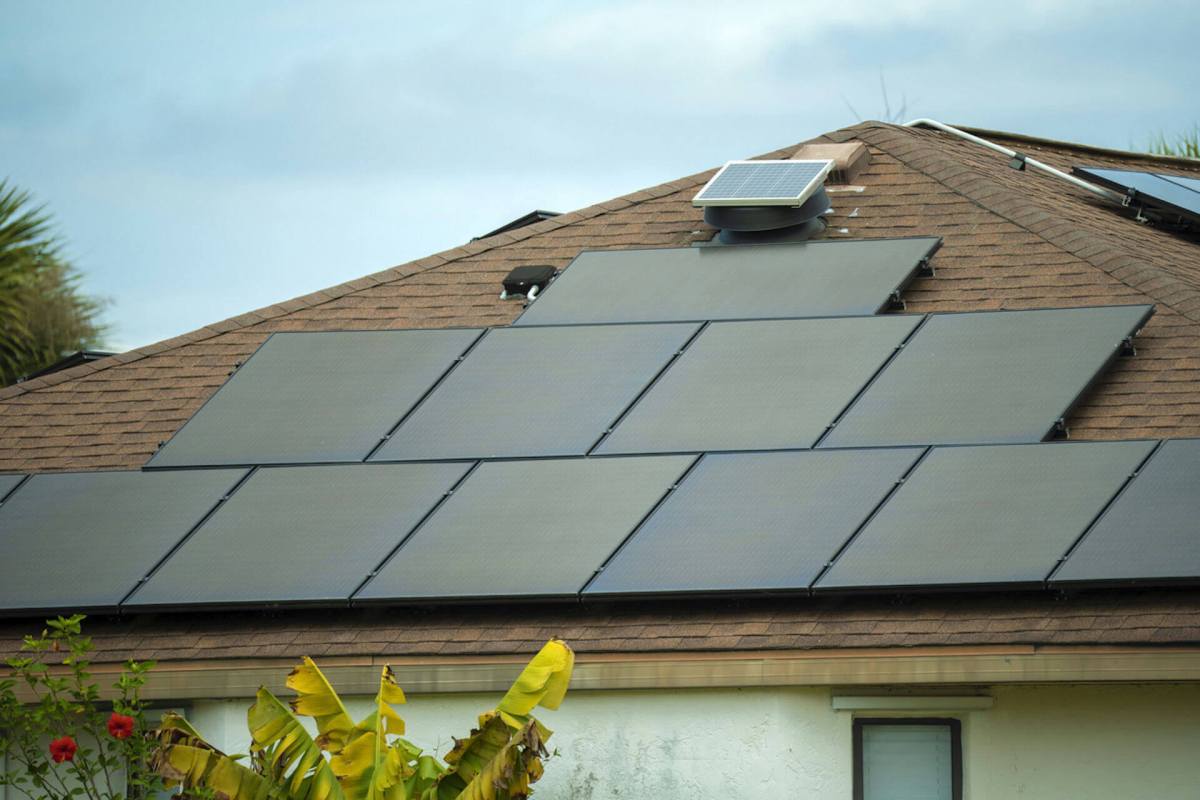
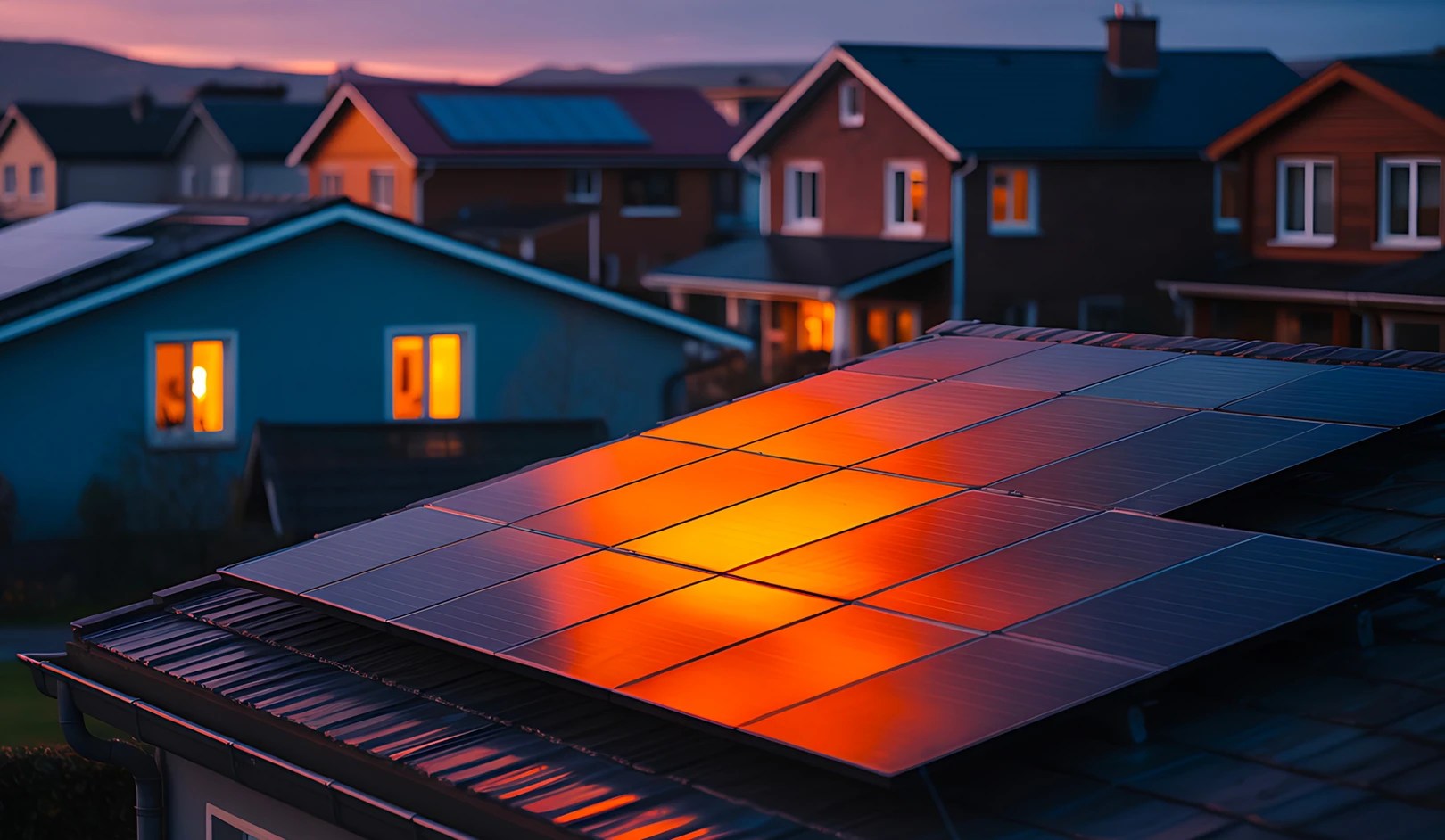
A new solar co-op in southwest Ohio is giving residents and small organizations a more affordable path to rooftop panels — and the potential savings could be substantial.
For a 5-kilowatt setup, Solar United Neighbors says a home or business could cut its Duke Energy bills by about $1,000 a year, according to the Cincinnati Enquirer.
Here's what to know
Using a group-purchasing model, Cincinnati's Office of Environment & Sustainability has rolled out the free Southwest Ohio 2026 Solar Co-op Program for residents, small businesses, and small nonprofits in 11 counties.
The program aims to help participants access rooftop solar at more competitive prices.
Solar United Neighbors, a nonprofit that expands access to solar, is partnering with the city to provide education, technical guidance, and support throughout the process.
Eligible participants live in 11 counties: Clark, Miami, Darke, Preble, Greene, Brown, Clinton, Montgomery, Warren, Clermont, and Hamilton.
Even if you live outside those 11 counties, the right tools can make a difference. People interested in money-saving energy hacks can visit EnergySage for free solar installation estimates and to compare quotes.
More background
The co-op is not limited to Cincinnati residents.
Save $10,000 on solar panels without even sharing your phone number Want to go solar but not sure who to trust? EnergySage has your back with free and transparent quotes from fully vetted providers that can help you save as much as $10k on installation. To get started, just answer a few questions about your home — no phone number required. Within a day or two, EnergySage will email you the best local options for your needs, and their expert advisers can help you compare quotes and pick a winner. |

By extending across multiple municipalities and counties in southwest Ohio, the program broadens access to solar for households and smaller organizations that may not have the time or buying power to negotiate on their own.
Interested building owners join the co-op as a group, and a competitively selected installer will work under pricing and service terms negotiated for everyone involved.
Lower upfront costs and clearer pricing can make rooftop solar more realistic for families, storefronts, and nonprofits.
Solar can also provide more predictable energy costs and reduce reliance on electricity generated by expensive, damaging fossil fuels.
More From EnergySage
💡Go deep on the latest news and trends shaping the residential solar landscape


What's being done?
Before deciding whether to move forward, participants can learn about solar technology, financing, incentives, and what installation involves.
After selecting an installer, households and other building owners can choose to take part, but new members must join by Dec. 1.
For homeowners comparing offers beyond the co-op, EnergySage helps curate competitive bids from local installers without sharing your contact information unless you choose to move forward with one.
EnergySage is especially useful for people trying to lock in the best deal. With EnergySage's help, the average person can save up to $10,000 on solar purchases and installations.
And EnergySage's solar map shows the average cost of a home solar panel system by state, along with available local incentives, which together can help homeowners get the best price for rooftop solar panels.
Adding battery storage to a solar setup is also one of the best ways to protect your home during outages, save money on energy, and even go off-grid.
Homeowners who want to explore battery choices and compare competitive installation estimates can also learn about their home battery storage options through EnergySage.
Nikki Vandivort, the city's clean energy & climate resilience manager, described the initiative as beneficial to households and local businesses alike.
"The solar co-op approach is a win-win for both solar energy buyers and system installers. Bulk purchasing helps to cut the costs of going solar, which is more important than ever as electricity prices continue to increase," Vandivort explained.
Where can I learn more?
These stories explore other ways people are cutting power costs and expanding access to solar. They cover community solar, neighborhood co-ops, and subscription-based systems that avoid upfront costs.
• Across the U.S., community solar programs save money for renters and homeowners without rooftop panels.
• Neighborhood Sun showed Maryland residents how banding together for solar can cut installation costs.
• Across the U.S., solar panel subscriptions are letting households generate power without upfront costs.

Get TCD's free newsletters for easy tips, smart advice, and a chance to earn $5,000 toward home upgrades. To see more stories like this one, change your Google preferences here.






