


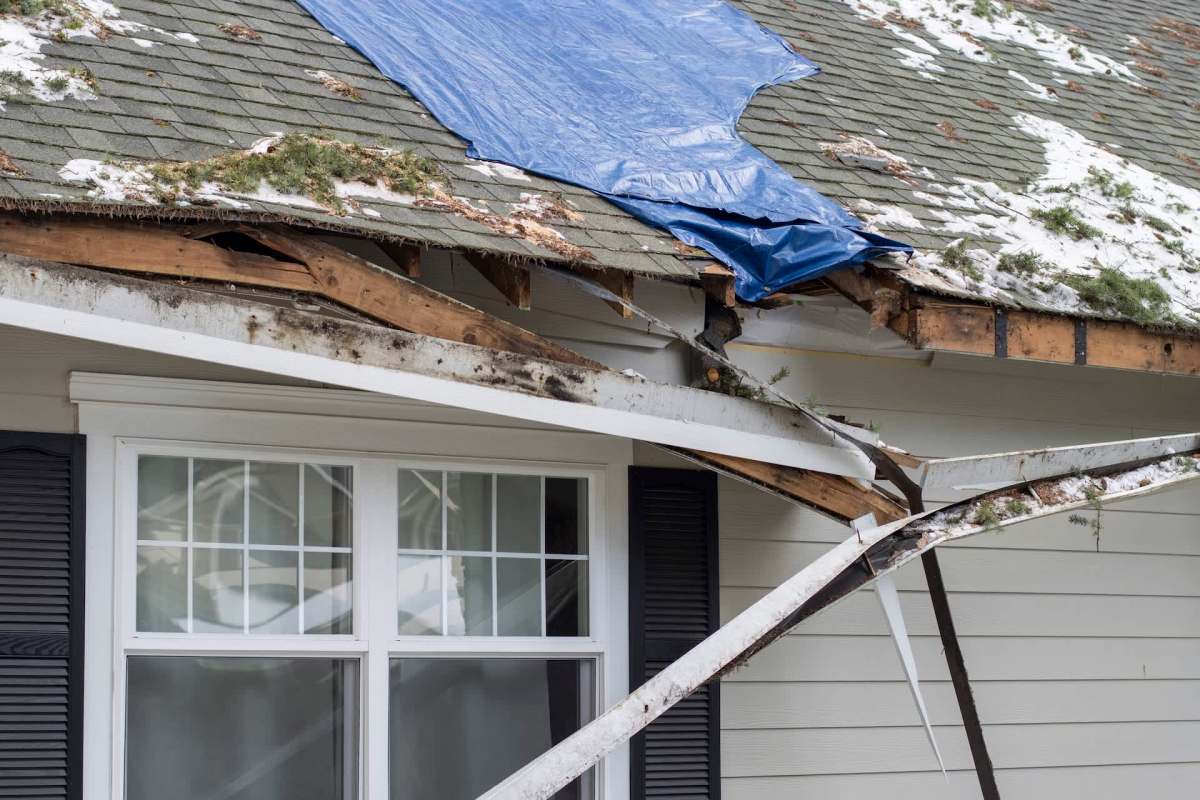
The costs of extreme weather may be scarier than the storm itself.
A new survey suggests that homeowners may feel the financial strain long after a storm ends.
Half of homeowners said they had to cover weather-related repair costs themselves, and many are still carrying debt from that damage.
Here's what to know
Hippo Holdings' third annual Extreme Weather Report found that about 4 in 5 U.S. homeowners are not financially prepared for a surprise weather-related repair, according to Carrier Management.
The survey drew responses from 1,047 homeowners nationwide and found that about a quarter of respondents have paid for weather damage themselves and still owe money because of it.
Among that group, 71% said the debt has lasted at least two years.
TCD Picks » Quince Spotlight
💡These best-sellers from Quince deliver affordable, sustainable luxury for all




Rick McCathron, president and CEO of Hippo, said the financial impact can continue long after the weather event itself is over.
"Protecting a home means protecting the financial future of the people inside it," McCathron said. "When a single weather event can push homeowners into years of debt, the damage extends far beyond the property."
Hippo's report said 39% of homeowners incorrectly assumed some damage was insured, and 19% of respondents said that mistake left them paying the bill themselves.
More background
Nearly 60% of surveyed homeowners said their homes had sustained weather-related damage.
The report said 21% spent at least $2,000, and 9% spent at least $5,000.
The report found that 16% of homeowners who experienced damage said the costs led them to delay saving or retirement contributions.
This is just the latest piece of evidence that shows that extreme weather events are making it hard for people to survive.
What can be done?
The report said 85% of homeowners monitor local weather alerts, but just 21% reviewed their home insurance coverage as part of preparedness. It also said 55% could not remember their current deductible.
Only 12% of homeowners ranked insurance agents among their top two trusted sources of advice, behind local meteorologists at 65% and friends and family at 31%.
The report also said homeowners in the South and Midwest showed the largest concern about future weather damage.
McCathron said, "Preparedness shouldn't start the day a storm is forecasted. Homeowners and insurers both have a role to play before severe weather hits — homeowners in taking preventive steps to protect their properties, and insurers in proactively reaching out to their customers before damage occurs."

Get TCD's free newsletters for easy tips, smart advice, and a chance to earn $5,000 toward home upgrades. To see more stories like this one, change your Google preferences here.






