


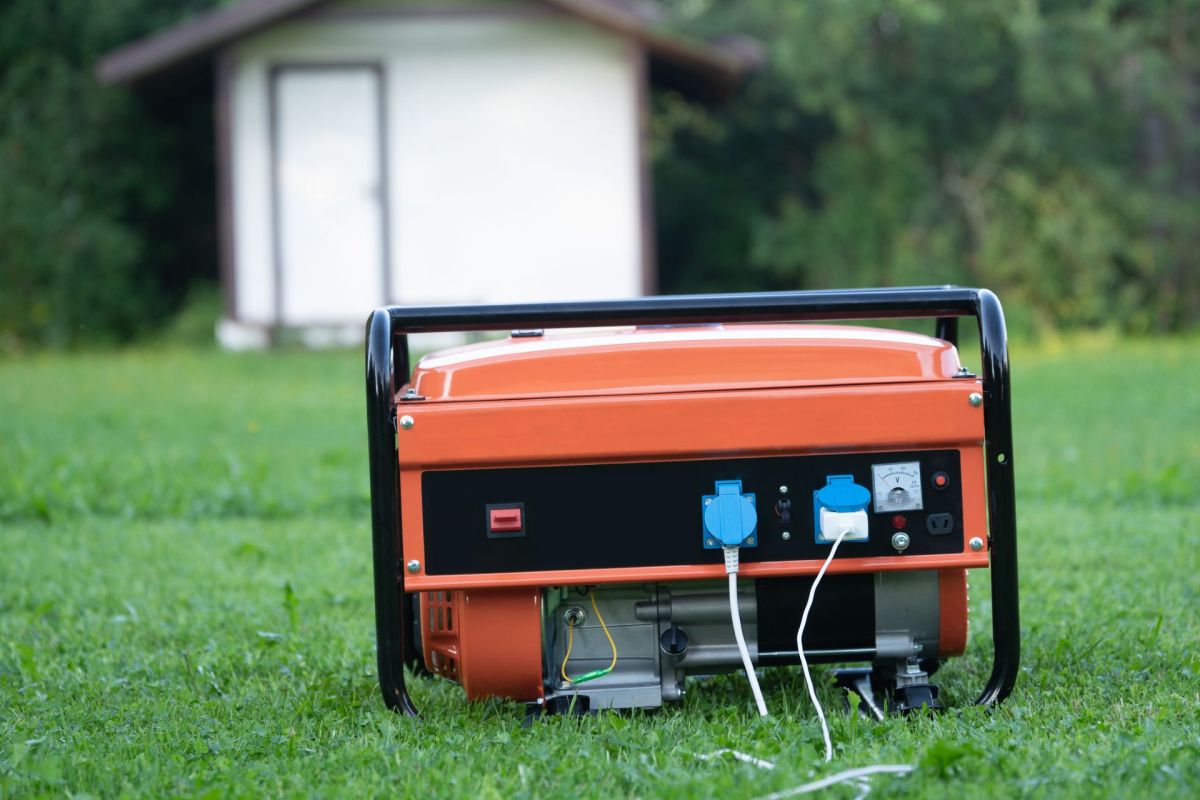
A new homeowner in central Florida, coming off a stretch without power, went to Reddit to ask what planning a whole-home generator setup actually entails.
Here's what to know
In a Reddit post, the homeowner asked about several basics at once.
"Bought our first house in central Florida last year. First hurricane season, four days without power, no AC, no fridge, phones died when the car batteries ran out. Sooo looking into whole home generator installation now," they explained.
"What kW size for two ACs?" they asked. "Is Generac the default or are other brands worth considering? Florida permitting timeline? And does one installer handle everything including gas line, transfer switch, and panel work, or do I end up coordinating multiple trades?"
A commenter from central Florida described a 22-kW Generac Protector QS tied to a 500-gallon propane tank that kept a 3,000-square-foot home running during a 40-hour Hurricane Milton outage. According to that user, no load management was needed, and "the house never drew more than 12 kw."
The same commenter also shared fuel and pricing figures. Refilling the tank after Hurricane Milton took 37 gallons — just under a gallon per hour of runtime — and, as the commenter put it, "Generator, propane tank and installation was right at $15,000."
TCD Picks » Quince Spotlight
💡These best-sellers from Quince deliver affordable, sustainable luxury for all




More background
Other users repeatedly cautioned that two AC units alone do not tell you enough to size a generator correctly. Commenters said buyers should "insist on a real load calculation, not just a square footage guess," and one person summarized the problem: "An 'AC' is not one thing."
Because going too large can raise the upfront price and going too small can leave a house shedding loads during an outage, commenters pointed to a few other checks. Commenters mentioned utility-bill details such as peak demand and kilowatt-hours used per day as helpful, along with confirming whether natural gas is available and whether the existing meter might need an upgrade.
What can be done?
As a starting point, one commenter recommended bringing in local pros while also noting that installer capabilities can differ a lot from one company to another.
Those quotes, commenters said, should be used to check more than the generator badge. Homeowners were encouraged to ask for a real load calculation, review peak-load and kWh-per-day information from the utility bill, and, as one commenter advised, confirm gas access and meter capacity early in case extra work or a service upgrade is required.
Some commenters also outlined ways to lower the price. Soft-start kits on both AC units might allow for a smaller generator, and others mentioned cheaper backup options if $15,000 is out of reach, including a Westinghouse dual fuel wgen11500dfc with a 50-amp inlet and interlock kit that one commenter called "Miles cheaper."
Where can I learn more?
These stories look at the same backup-power questions from a few different angles.
• After three sweltering days offline, one homeowner started with a portable propane generator instead of standby power.
• Generac is now pairing backup generators with batteries and solar as outage risks grow.
• After repeated blackouts, a parent tried to size a system to power fridges and 2 ACs through winter.

Get TCD's free newsletters for easy tips, smart advice, and a chance to earn $5,000 toward home upgrades. To see more stories like this one, change your Google preferences here.






