


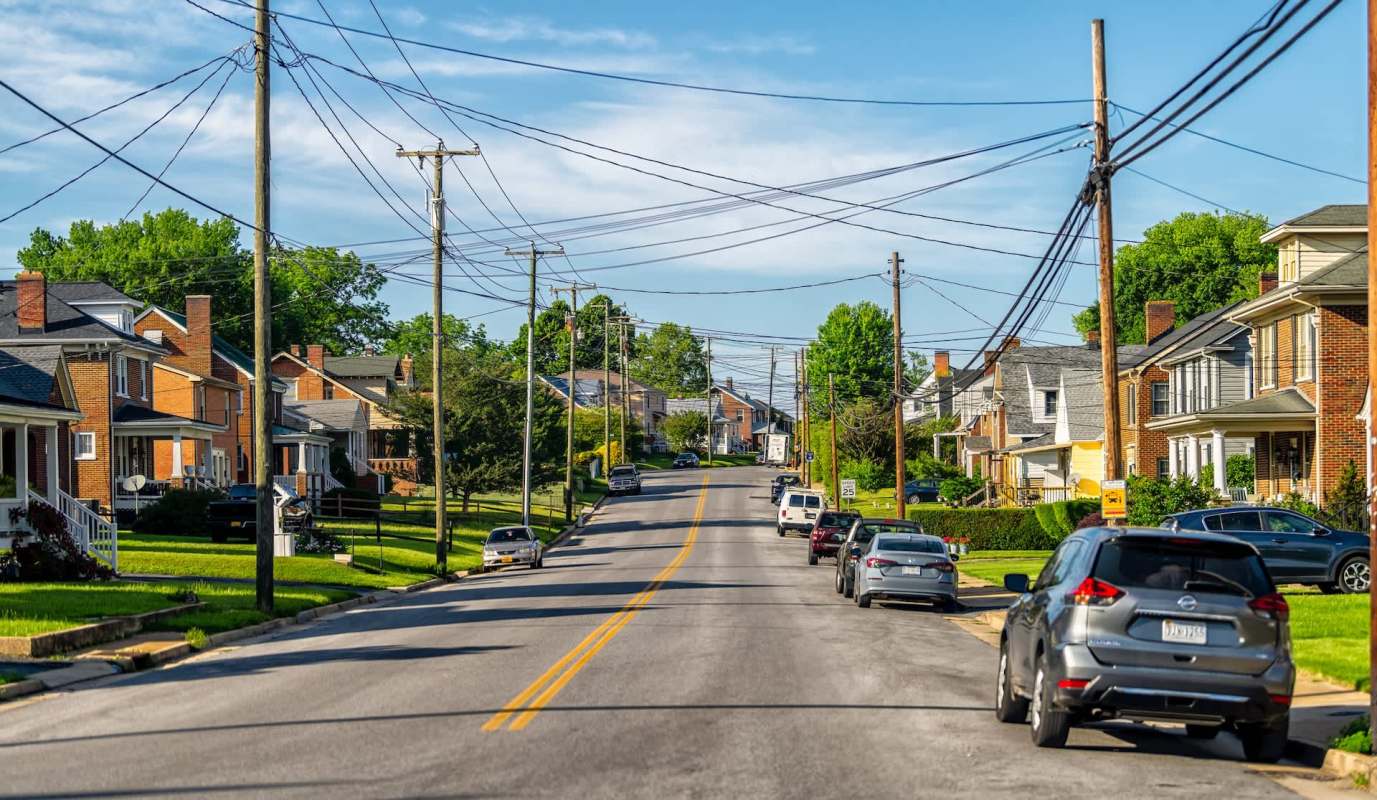
New modeling from Energy Innovation, a nonpartisan think tank, suggests households in the contiguous United States could spend an average of $6,500 more on energy by 2040 as a result of federal policy shifts made since President Donald Trump returned to office.
Here's what to know
As The Independent reported, the steepest cumulative increases appeared in Oregon, Mississippi, South Dakota, Virginia, and Wyoming, where the added cost comes to about $9,000 per household.
According to Energy Innovation, the projected increase is tied to demand rising in two areas: more natural gas-fired electricity as the administration stops new wind, solar, and hydrogen projects, and more gasoline use after Trump and Congress rolled back policies that promoted more efficient, lower-pollution vehicles.
That could leave families paying higher electricity bills at home and steeper fuel costs on the road.
One of the best ways homeowners can fight rising bills is by going solar. Try EnergySage to get free solar installation estimates and compare quotes.
More background
The backdrop is a period of elevated energy costs worldwide. The International Energy Agency said record prices hit the European Union, the United Kingdom, Japan, and Korea from 2022 to 2024 after Russia invaded Ukraine, and that since 2019 energy price gains in places including the United States have outpaced both inflation and income growth.
Other forces are also pushing U.S. power costs higher. In April, Rhodium Group said the country has entered "a new period of rising electricity prices," pointing to natural gas volatility, grid improvements, inflation, storm recovery, wildfire mitigation, and shifting policies.
By the U.S. Energy Information Administration's forecast, residential power prices would go from about 17.3 cents per kilowatt-hour in 2025 to 18.2 cents in 2026 and 18.6 cents in 2027.
Save $10,000 on solar panels without even sharing your phone number Want to go solar but not sure who to trust? EnergySage has your back with free and transparent quotes from fully vetted providers that can help you save as much as $10k on installation. To get started, just answer a few questions about your home — no phone number required. Within a day or two, EnergySage will email you the best local options for your needs, and their expert advisers can help you compare quotes and pick a winner. |

What can be done?
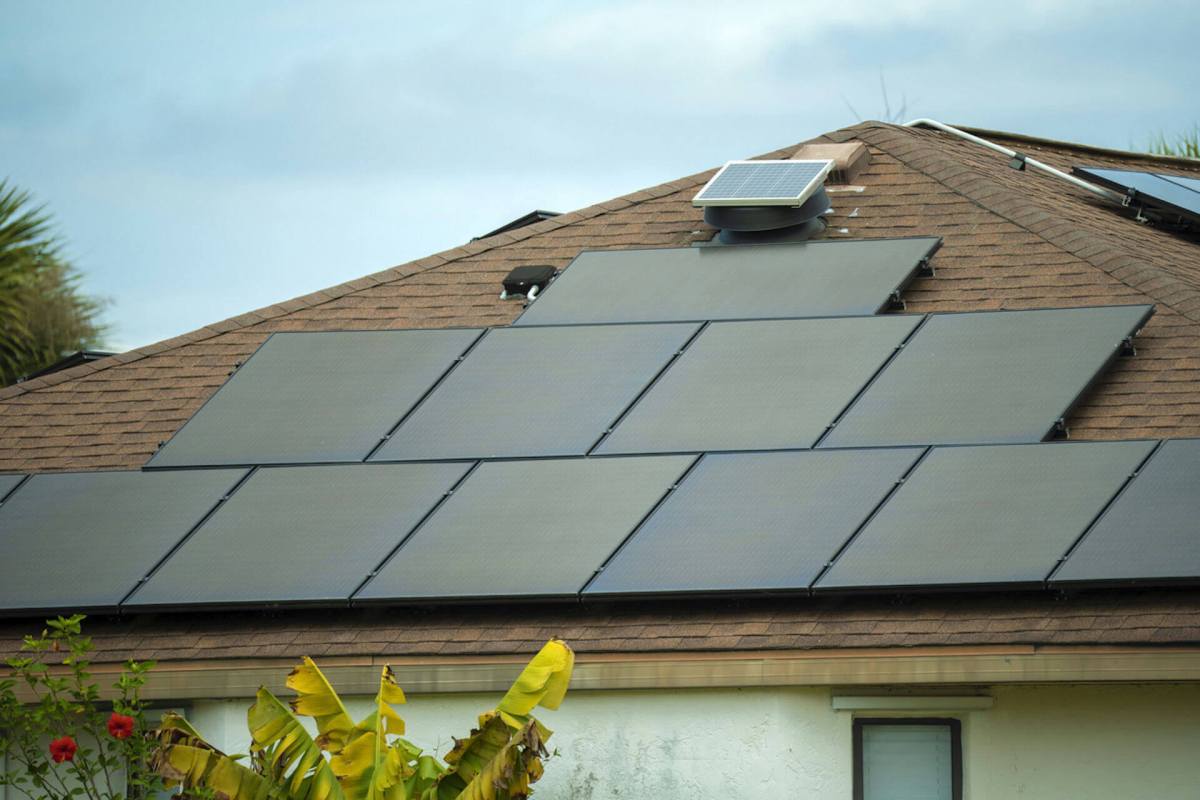
For households looking to counter those rising costs, solar can be one of the strongest tools available. With EnergySage's help, the average person can save up to $10,000 on solar purchases and installations. EnergySage's solar map shows the average cost of a home solar panel system by state, along with details on solar panel incentives for each state. Together, these resources can help homeowners get the best price for rooftop solar panels and access available incentives.
Adding battery storage to a solar setup is also one of the best ways to protect your home during outages, save money on energy, and rely less on an increasingly costly and unpredictable grid. Home batteries can store lower-cost solar power for use when rates spike or when the grid goes down. Homeowners can explore EnergySage for information about home battery storage options, including competitive installation estimates.
Rhodium Group said U.S. electricity prices are likely to keep rising unless significant policy changes are made.
Where can I learn more?
These stories break down how policy choices and clean-energy incentives affect what Americans pay for power.
More From EnergySage
💡Go deep on the latest news and trends shaping the residential solar landscape


• Across the U.S., rolling back wind and solar could add $121 billion to power bills.
• In Congress, cutting energy tax credits could push the average household bill up nearly $300.
• In the U.S., energy bills have increased 13% in 2025 as policies shift.

Get TCD's free newsletters for easy tips, smart advice, and a chance to earn $5,000 toward home upgrades. To see more stories like this one, change your Google preferences here.






