


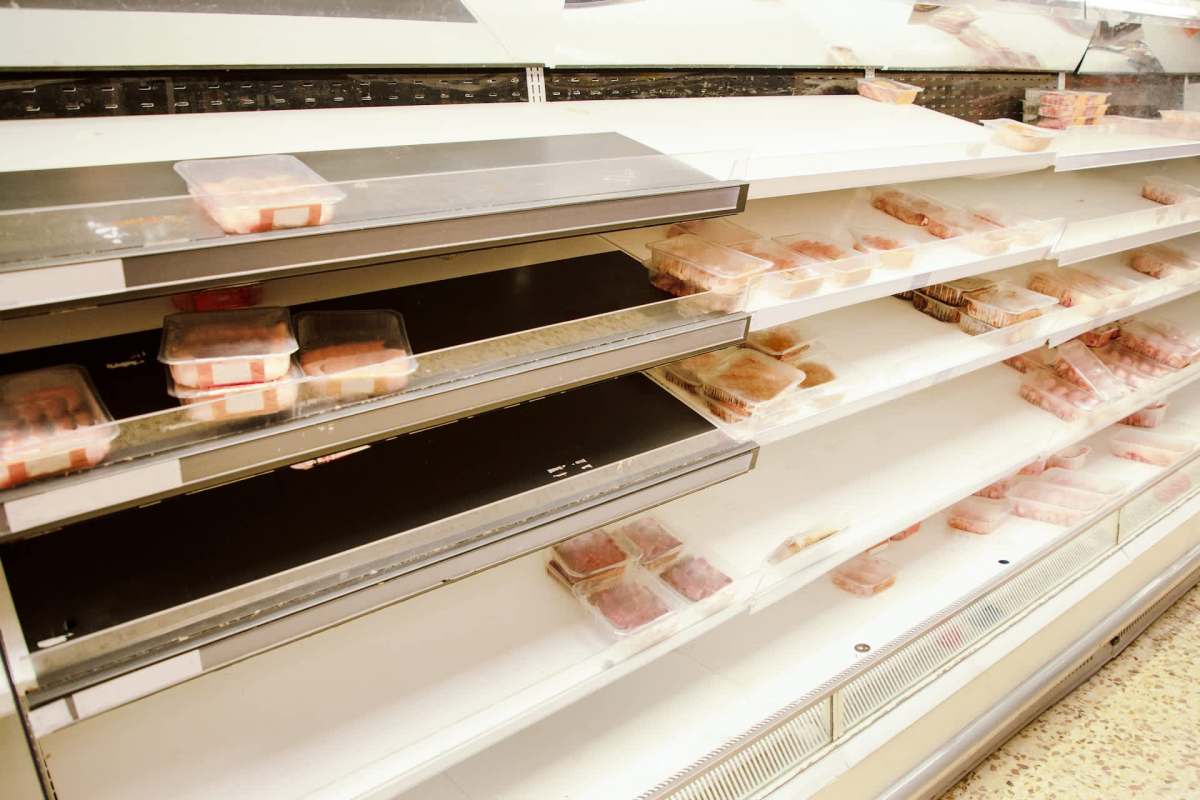
The United Kingdom may be less prepared for a food supply shock than many households assume, according to a letter from more than 150 experts that stated the country has "no plan" to feed people if climate threats, cyberattacks, geopolitical turmoil, or energy disruptions interfere with food supplies.
Here's what to know
In a letter about revisions to the Civil Contingencies Act 2004, the experts said Britain was "desperately unprepared" for shortages and needed emergency food storage at the community, local, regional, and national levels, The Independent reported. The group also said the U.K. has become "complacent" about food security even though millions of people already cannot afford "a decent, healthy diet."
Signatories included Oxford University professor Paul Behrens, professor emeritus of food policy at City St. George's University of London Tim Lang, and other academics and charity leaders.
The letter also pressed officials to create local food resilience committees and to curb the country's reliance on imports and a small number of large food companies.
"The hard truth is that the food system built over recent decades is not fit for today's or tomorrow's challenges," the letter stated, per the newspaper. "The U.K.'s home production is woefully inadequate in many different food types."
More background
"The food system is exposed to shocks and threats from geopolitics, climate heating, ransomware, energy outages, software malfunction, and disinformation," the group warned.
TCD Picks » Quince Spotlight
💡These best-sellers from Quince deliver affordable, sustainable luxury for all




It also argued that many people would not be able to build up food supplies on their own.
After the U.K.'s hottest summer on record, a National Farmers Union study cited by The Independent said self-sufficiency fell in 10 of 11 primary commodities over 30 years as declining production or rising consumer demand outstripped supply.
What's being done?
The group called for emergency food reserve programs, local food resilience committees established through the Civil Contingencies Act, and a decentralization of supply.
It also wants Britain to "realign" food production with nutritional needs by increasing domestic output of fruit, vegetables, legumes, and nuts.
The government says it is taking action.
"Food security is national security, which is why we're ensuring food supply is fully incorporated into our emergency preparedness planning," a spokesperson said, according to The Independent.
The spokesperson also pointed to a £65 million ($85.9 million) package to boost resilience after drought as well as steps that include a climate-security task force and work with farmers and industry on more resilient supply chains.
Where can I learn more?
These articles explore how food systems can fall short.
• In the U.K., supply chains are reportedly at risk from "too much complacency."
• Across Africa, farmers say vital crops are failing as worsening conditions deepen insecurity.
• In Pakistan, officials fear the potential for devastation as farming strains the economy.
• In Somalia, drought pushed millions toward crisis-level food insecurity, with famine risks rising.

Get TCD's free newsletters for easy tips, smart advice, and a chance to earn $5,000 toward home upgrades. To see more stories like this one, change your Google preferences here.







