


A homeowner who replaced an aging air conditioner with a heat pump expected more efficient cooling, but their sky-high demands on the system got in the way.
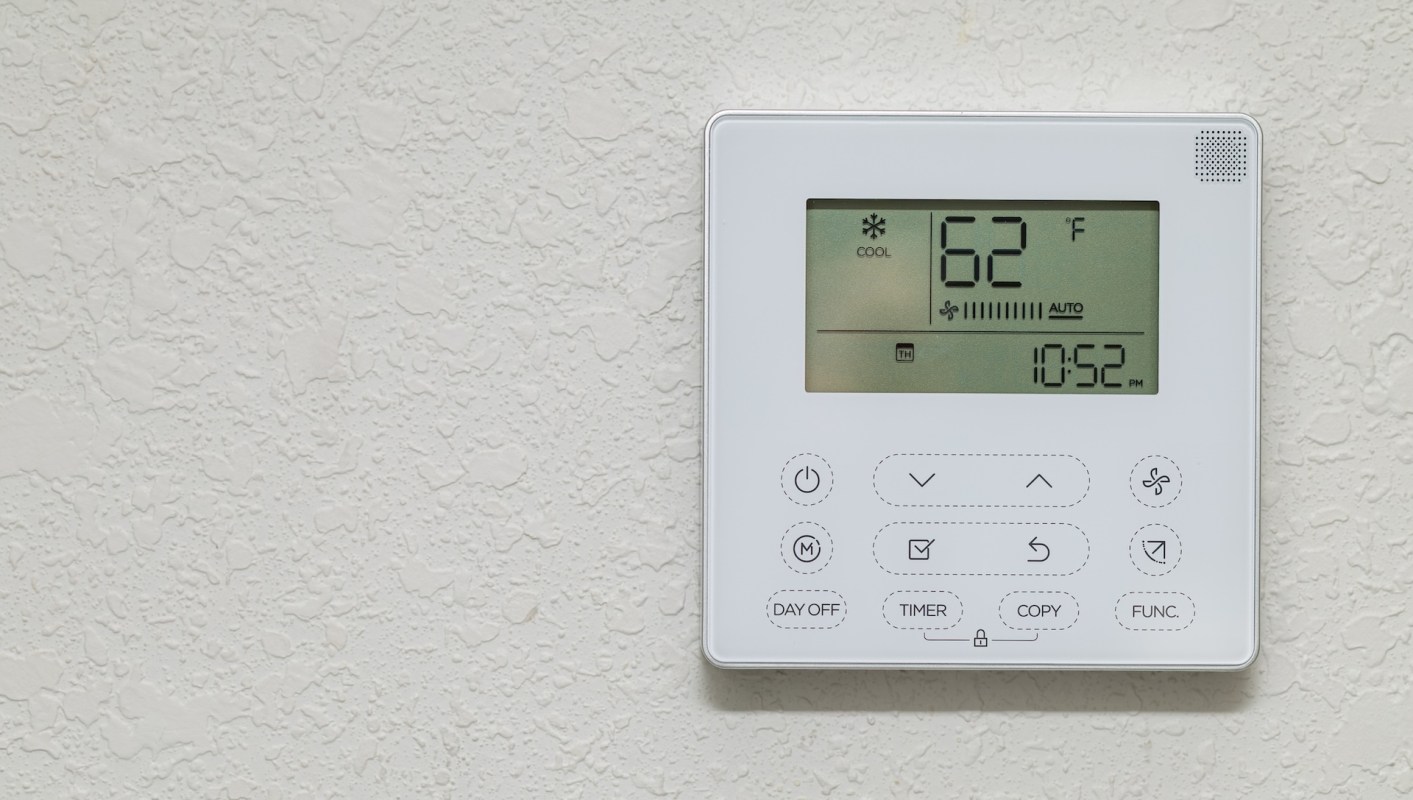
After 11 months without any apparent issues, the setup began running for up to 11 hours at a time and experienced a "couple really bad freeze-ups." But as they shared more details, it became clear that there may be some clear contributing factors — including trying to keep the house at a constant 62 degrees Fahrenheit during the summer.
Here's what to know
The original poster explained on Reddit that they replaced an oil furnace with a high-efficiency natural gas furnace in 2021.
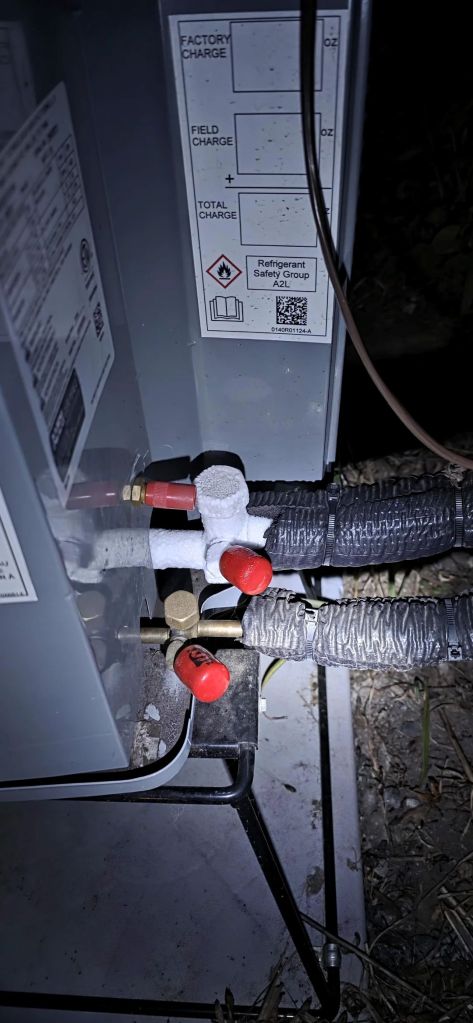
They then added a Daikin DH5SE heat pump in summer 2025 after their old AC started leaking R-22. The homeowner told the r/HVACAdvice subreddit that the heat pump "ran flawlessly for 11 months" before it started struggling.
The symptoms included both very long runtimes and icing. The homeowner said the unit would run for "3, 5, 8, sometimes 11 hours straight" while trying to reach their desired temperature of 62 degrees and still not quite hit it, describing one freeze-up that reached "all the way from the evap coil to the compressor." A technician reportedly found normal standing pressure, said it was too cold outside to verify AC operating pressure, and suspected the MERV 12 filter might be restricting airflow.
One commenter stated, "Keeping your thermostat set at 62 degrees certainly isn't helping."
For homeowners dealing with similar concerns, upgrading heating and cooling equipment can be one of the best ways to save money on utility bills and protect against rising energy prices. Palmetto's Comfort Plan network can help you find efficient heating and cooling solutions for your home and connect you with vetted installers.
More background
The poster said the MERV 12 filter was not a new habit, as they had been using that rating since 2021. They also said they replaced filters every two months, and even more often after summer wildfire smoke events, because the household has dogs, allergies, and asthma.
Save $10,000 on solar panels without even sharing your phone number Want to go solar but not sure who to trust? EnergySage has your back with free and transparent quotes from fully vetted providers in your area. To get started, just answer a few questions about your home — no phone number required. Within a day or two, EnergySage will email you the best options for your needs, and their expert advisers can help you compare quotes and pick a winner. Solar panels can save you more than $50k over their 25-year lifespan, and EnergySage can help you save as much as $10k on installation. Which begs the question — isn't that worth an email or two? |

Several replies said the filter's size could matter as much as its rating. One commenter said a 4-inch or 5-inch MERV 12 filter would likely be fine, but a 1-inch MERV 12 filter could be overly restrictive. The bigger issue may be the combination of high filtration and an unusually cold 62-degree target, especially if the unit was not sized to handle much more air space than the home has.
Others questioned whether the equipment was well matched in the first place. One commenter said the single-stage compressor was "the wrong unit" for someone trying to maintain 62 degrees.
What can be done?
Much of the advice centered on ruling out the simplest, least expensive possibilities first.
Some suggestions were more specific. One person advised a MERV 5 filter in the HVAC system and to rely on separate air cleaning with a box fan and a higher-MERV filter. Another proposed a deeper filter cabinet to reduce restriction. Others advised vacuuming carpets more often and adding a low-ambient cooling kit.
For homeowners dealing with a similar repair-versus-upgrade decision after an R-22-era system fails, Palmetto may be worth considering. If you're not ready to spend up front, the Comfort Plan includes $0-down options that can lower your heating and cooling costs by up to 50%, along with 12 years of free maintenance.
And if you pair solar panels with electric appliances like efficient HVACs, you can reduce utility bills even further; EnergySage makes it easy to compare installers and could save you up to $10,000 on installations.
Where can I learn more?
More often than not, homeowners are more concerned about heat pumps in frigid weather rather than sweltering conditions.
• An HVAC tech broke down what happens to heat pumps in bitter winter weather.
• In Boston, the coldest day of the year still did not stop one heat pump.
• A homeowner discovered the limits of their heat pump during sub-zero weather.

Get TCD's free newsletters for easy tips, smart advice, and a chance to earn $5,000 toward home upgrades. To see more stories like this one, change your Google preferences here.






