


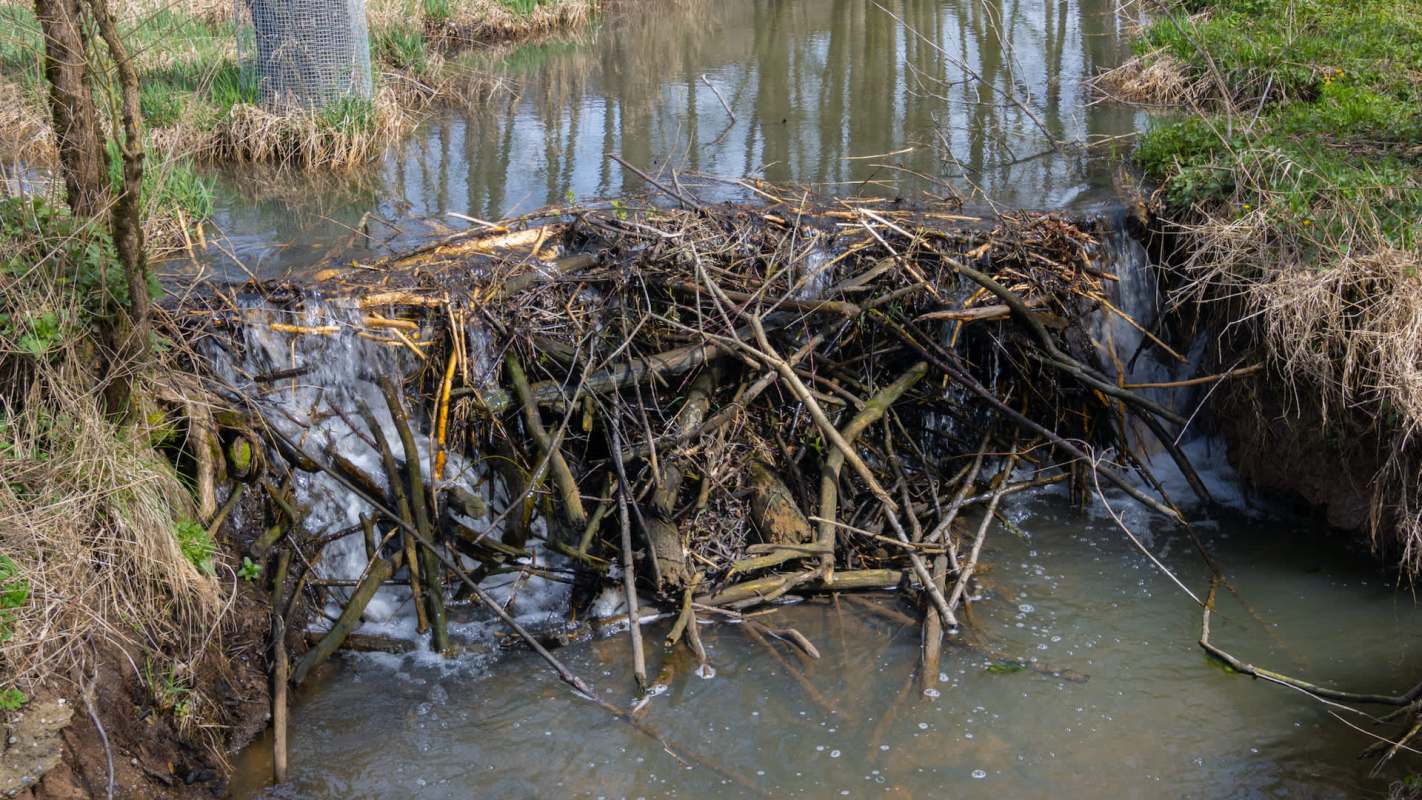
A dispute is unfolding along Clover Creek in Pierce County, Washington. Residents say county-owned parcels thick with vegetation and beaver dams are flooding private property, turning well water brown, and drying up parts of the creek.
Here's what to know
Property owner Bob Trapp told KIRO 7 that his Tacoma property along Clover Creek once included grassy acreage where his dogs could roam.
The land now floods for part of the year, Trapp said, then dries into cracked ground in the summer.
"This whole thing is covered with water," he said.
Trapp said the flooding has also turned the water in his shallow well brown.
"We have to boil our water, because we don't know; it stinks like swamp," he said.
TCD Picks » Quince Spotlight
💡These best-sellers from Quince deliver affordable, sustainable luxury for all




He said the problem traces back to thick vegetation and beaver dams in and around the creek, including on county-owned property between 20th Avenue East and 25th Avenue East.
On the far side of those same county parcels, resident Randy Grams said he is dealing with a different result: too little water in the creek bed near his home.
"A lot of the trees are drying out and dying," he said.
More background
Grams, a member of the Clover Creek Restoration Alliance, said volunteers have been trying to get into areas they consider blocked, overgrown or otherwise degraded so they can help clean them up.
"It's an uphill battle," he said. "We've tried to get access to some of the properties to go in and clean them up where the creek is degraded and overgrown and has invasive species growing, and they don't want to see them cooperate."
County officials say residents are oversimplifying the situation.
Amanda Smith, a public information specialist with Pierce County's Planning & Public Works Department, said the county has confirmed beaver dams on its land but believes there may also be additional dams on private property both upstream and downstream.
"This reach of Clover Creek is very flat, and both high surface water and high groundwater levels are common," she wrote in an email. "The area is designated as a regulated floodplain and a wetland. Elevated water levels can result from multiple factors and are not solely attributable to beaver activity."
"These county-owned properties are allowed to function in a natural state to provide water quality and ecological benefits to the stream," Smith wrote, adding that shrubs and tall grass help keep water clean and that downed trees can help reduce downstream flooding.
What's being done?
Smith said the county is continuing to monitor the area and actively managing it to support public benefit, protect natural resources, and address local flooding concerns.
Residents and restoration advocates, meanwhile, say degraded parts of the creek need more direct cleanup, especially where they believe invasive growth and obstructions are worsening conditions.
As Grams put it, "It's an uphill battle."
Where can I learn more?
Questions about dams, stream health, and water quality aren't unique to Clover Creek. These stories look at beaver activity, stream protections, and dam removal efforts shaping rivers in the U.S. and abroad.
• In Scotland, beaver dams are helping curb water pollution while reshaping nearby wetlands.
• Across the U.S., small stream protections narrowed after court rulings limited EPA authority.
• In Washington, historic Snake River dam removal could revive habitat and salmon runs.
• Federal officials signed a deal that could reshape Lower Snake dams after decades of litigation.
• Elsewhere, restrictive dams came out, and trout habitat improved as river flow returned.

Get TCD's free newsletters for easy tips, smart advice, and a chance to earn $5,000 toward home upgrades. To see more stories like this one, change your Google preferences here.







