


What did federal regulators learn about Atmos Energy's safety practices before a deadly Dallas apartment explosion, and why hasn't the public seen the results?
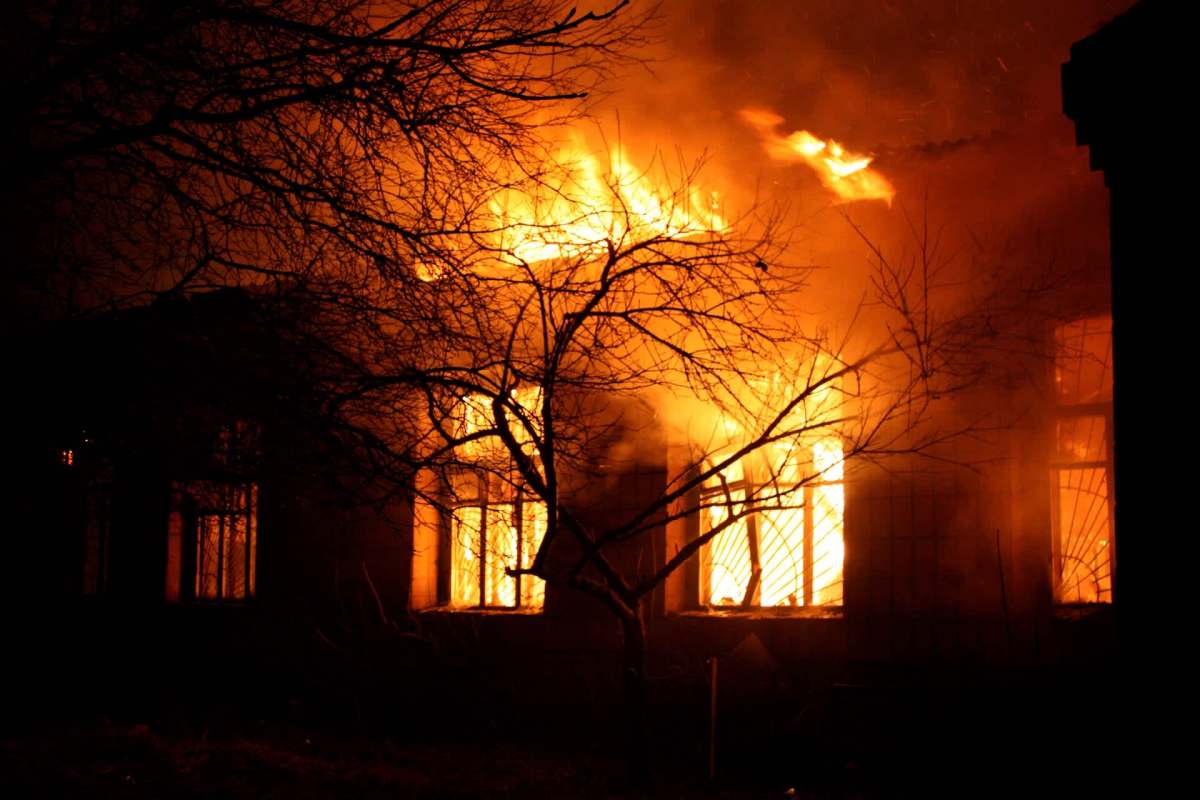
That question is hanging over Oak Cliff after the May blast that, as The Dallas Morning News reported, left three people dead and destroyed an apartment building.
Here's what to know
The concerns about Atmos didn't start in Dallas. As The Dallas Morning News reported, after two homes exploded days apart in Jackson, Mississippi, in January 2024, a senior Pipeline and Hazardous Materials Safety Administration official emailed regulators in Texas and other states, writing, "Atmos has experienced a number of incidents recently that has raised interest in their safety performance and safety culture."
A March 2024 meeting with Atmos was followed by a multistate PHMSA review of the company's safety practices. Then-Deputy Administrator Tristan Brown said in prepared testimony for a May 2024 hearing that the agency expected to release its findings publicly, and records reviewed by the newspaper show the report had reached management review by March 2025. It still has not been published.
Bill Caram, executive director of the Pipeline Safety Trust, told the paper, "This is now more than two years ago and since then we've had two more explosions on Atmos systems that have killed four people, including a toddler, and the public hasn't seen a single page of the review or been told when it will be finished."
Atmos and the agency have offered little clarity about what comes next. PHMSA said only that it "will not comment on the scope or other details of an ongoing evaluation" and did not say when a report might be released.
TCD Picks » Quince Spotlight
💡These best-sellers from Quince deliver affordable, sustainable luxury for all




Atmos, meanwhile, said the assessment found that "No state regulatory authority made any findings of noncompliance or alleged violations of federal or state pipeline safety regulations" and that "no immediate safety concerns were identified."
More background
Atmos' earlier record adds weight to the unreleased review. After a 2018 gas explosion in northwest Dallas killed 12-year-old Linda Rogers, the National Transportation Safety Board found the company's leak detection procedures were inadequate, and the Texas Railroad Commission later fined Atmos $1.6 million.
Then, after a 2021 accident at an Atmos facility near Farmersville killed two workers, the NTSB found, according to The Dallas Morning News, that its procedures and employee training fell short.
More than 2 million of Atmos' roughly 3 million customers are in Texas, which gives the state the largest stake in the outcome.
The NTSB found Atmos had known about underground leaks in Jackson for at least eight weeks without fixing them, while PHMSA analysts found the company trailed peer utilities on measures such as leaks and serious incidents, and that roughly one-third of its gas distribution pipes were either undated or installed before 1970.
What's being done?
When the NTSB released its final report on the Jackson explosions in March 2026, it pointed to weaknesses in Atmos' system. As The Dallas Morning News reported, the board said Atmos did too little to monitor leaks in problematic soil conditions and that its method for evaluating and addressing pipeline risk fell short.
Gas and coal power plants release air pollution linked to asthma, heart disease, cancer, and premature death, and relying on these fuel sources keeps energy costs high compared with more abundant sources like sunlight and wind. Industry lobbying has also slowed the shift to cleaner, cheaper energy that could protect families and lower their bills.
National Transportation Safety Board Chair Jennifer Homendy urged the Department of Transportation's Office of Inspector General to audit PHMSA's assessment, writing that the review "is designed to prevent accidents and save lives." In June 2026, the inspector general's office responded, according to the newspaper, that it typically does not review work still in progress and lacked clear criteria for judging it.
Even without releasing the assessment, PHMSA has pointed gas operators to past NTSB reports on the 2018 Dallas explosions and the Jackson case.
As Caram put it, "If PHMSA learned anything about Atmos' safety culture or practices, they need to share it before anyone else is killed."
Where can I learn more?
Questions about Atmos' safety record echo concerns about aging gas infrastructure and weak oversight. Related coverage examines a North Texas explosion, a Colorado fuel spill, a pipeline fight in North Carolina, leaky oil fields, and new data on the health toll of oil and gas production.
• In North Texas, decades-old plastic gas pipes were tied to a home explosion.
• In Colorado, tribal leaders said an inadequate response left communities exposed after a fuel spill.
• In North Carolina, records cast public health danger over a natural gas pipeline expansion.
• Across aging oil fields, crews are playing "whack-a-mole" with leaky wells near homes and farmland.

Get TCD's free newsletters for easy tips, smart advice, and a chance to earn $5,000 toward home upgrades. To see more stories like this one, change your Google preferences here.






