


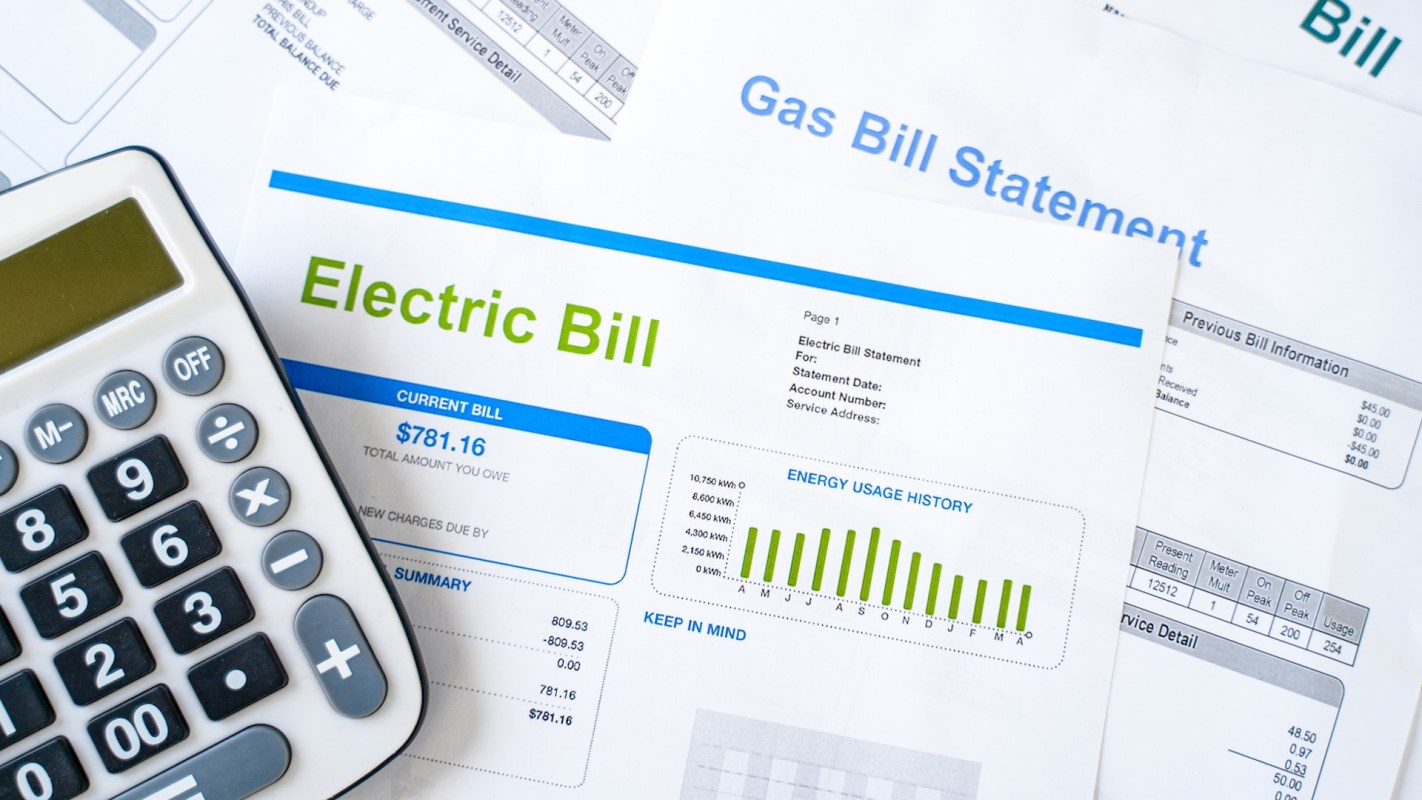
Puget Sound Energy's proposal to raise electricity and gas rates drew a packed room and a line out the door at a public comment hearing in Lacey, Washington.
Customers questioned why the state's largest utility is seeking another major increase while continuing to invest heavily in fossil fuel infrastructure. About 100 people spoke, and attendance spilled into a line outside the room, according to the Washington State Standard.
Here's what to know
According to the Standard, Puget Sound Energy is seeking a three-year increase of 29.3% for electricity and 19.8% for gas service. The filing also asks regulators to raise the amount shareholders are able to profit on investment from 9.9% to 10.8%.
Among the customers pushing back was Thurston County resident Becky Foster, who said the proposal comes as many households are already under pressure from higher costs. She told commissioners that even after making efficiency upgrades at home: "The last two years [the bill] has skyrocketed, and we're paying more than 50% over what we were paying before."
She said her household now pays about $600 per month for energy during the winter, and that her electricity costs reached $2,800 from 2022 to 2023. "That's just the winter months for us now," Foster said.
Those worries come after PSE's electricity rates already rose 18.85%. At the hearing, speakers said another increase would be especially hard on retirees on fixed incomes, lower-income households, and people who depend on electronic medical equipment.
TCD Picks » Quince Spotlight
💡These best-sellers from Quince deliver affordable, sustainable luxury for all




More background
For many critics, the dispute is about more than the size of the bill increase. They are also challenging the spending priorities behind it, including PSE's plan to put nearly $1 billion into maintaining and expanding its gas distribution system despite Washington's climate goals.
Rep. Beth Doglio said that approach conflicts with the purpose of House Bill 1589, the 2024 law she sponsored to help utilities transition away from methane gas without making the shift unaffordable. While PSE invokes two provisions of that law in its filing, she said lawmakers did not intend it to justify additional gas expansion.
"Are these investments necessary? Cost-effective? And, consistent with Washington's clean energy goals?" she said. "I am deeply concerned that many of them are not."
Doglio said: "Washington residents should not have to choose between keeping the lights on and protecting our climate. We can and must do both."
PSE has defended the filing by saying its cost of securing power has tripled since 2019, when the state passed the Clean Energy Transformation Act. In a statement, the utility said: "We recognize that higher bills are difficult for our customers and that more rate increases are not what anyone wants to hear. At the same time, the cost of providing safe and reliable energy has increased significantly."
Another major point of contention is PSE's plan to turn the closed Centralia Power Plant into a gas-fired facility slated to start operating in late 2028, along with two planned gas-turbine projects.
What's being done?
The proposal remains before the three commissioners, who can approve, deny, or alter it in early January. Another public comment opportunity is set for Wednesday, giving customers and advocates another chance to argue whether those costs should be passed on to households.
Critics are already making that case. Jan Hasselman, an Earthjustice attorney, said of the Centralia conversion: "This is a very bad use of ratepayer dollars to put all this money into a project that isn't necessary and that will interfere with our pollution and climate goals."
For residents trying to make sense of utility claims about climate progress while their bills continue to rise, it may also help to learn how to spot greenwashing in corporate messaging.
Where can I learn more?
Questions about utility costs and energy investment are surfacing elsewhere. These stories look at Seattle's building-efficiency standards, failed anti-renewable bills in Texas, a New York push for balcony solar, a Senate vote on methane rules, and a blocked Nevada solar project.
• In Seattle, building-efficiency standards aim to cut carbon pollution from one of Washington's biggest sources.
• In Texas, lawmakers killed anti-renewable bills, preserving a path for homeowners to invest in renewables.
• In New York, senators pushed balcony solar access as electricity costs kept climbing for renters.
• In Washington, the Senate voted to block methane rules amid warnings about higher energy costs.
• In Nevada, officials blocked a major solar project, raising concerns about future energy bills.

Get TCD's free newsletters for easy tips, smart advice, and a chance to earn $5,000 toward home upgrades. To see more stories like this one, change your Google preferences here.






