


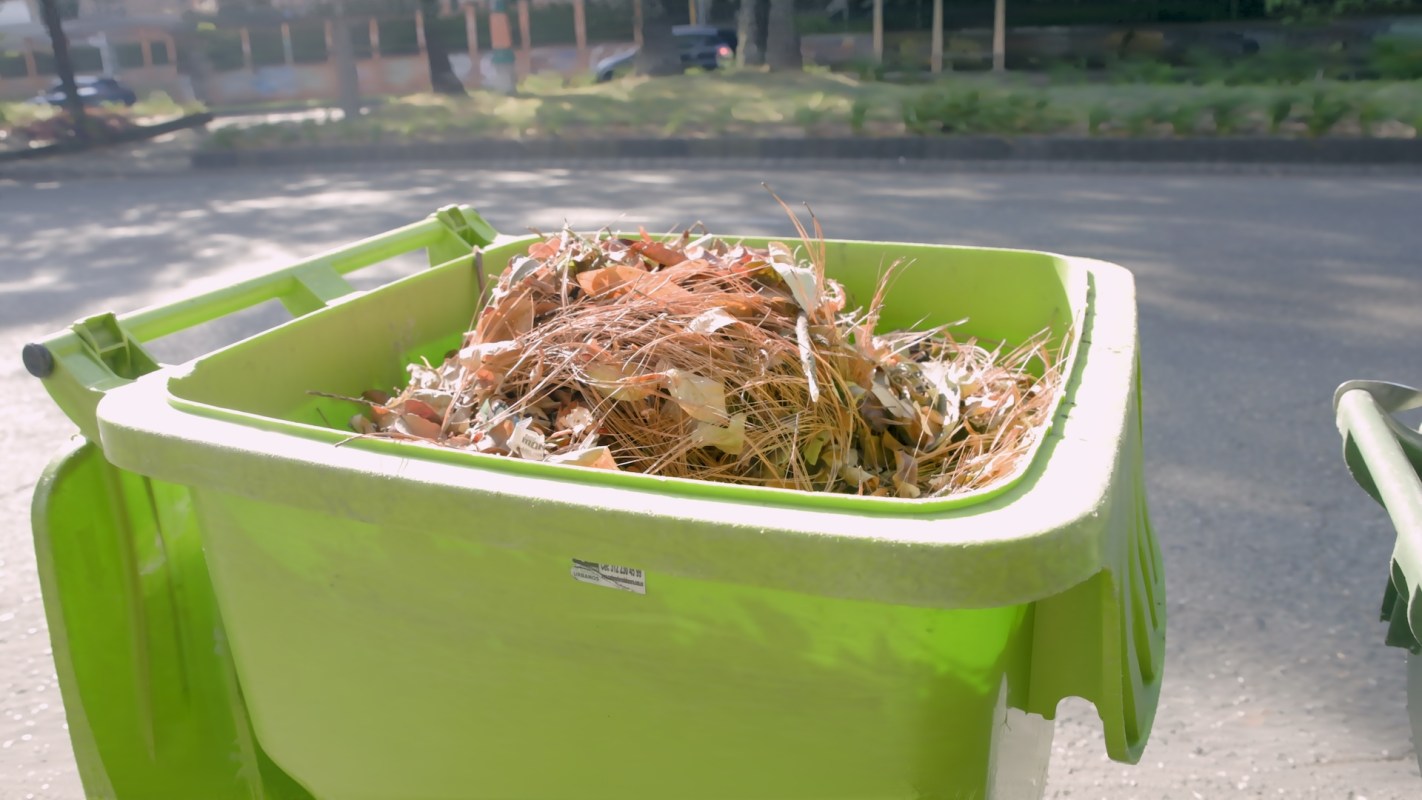
Beginning last Thursday, Hawaiian households in O'ahu could use their green bin for more than yard trimmings, with many food scraps now accepted as part of the island's expanded organics collection.
Here's what to know
As a YouTube report from KHON detailed, the islandwide rollout of O'ahu's G.R.O.W. program aims to keep more waste out of landfills by sending it to composting instead.
Residents can add loose food scraps directly to their green waste bins under the program. Fruits, vegetables, meat, pasta, bones, and other food waste are accepted, while liquids, plastics, and fat are still excluded.
O'ahu first tested the expansion in April across six neighborhoods. The report said the pilot focused on how many people took part and how much contamination came from items that did not belong in the organics stream.
KHON said participation was about 15%, while contamination was slightly lower than that and declined over time.
More background
Collected material will go to Hawaiian Earth Recycling, where it will be composted.
TCD Picks » Quince Spotlight
💡These best-sellers from Quince deliver affordable, sustainable luxury for all




The wider list of accepted scraps includes items such as meat and bones, which are often tougher to process in many backyard compost setups.
One commenter suggested a simple storage method before collection day, stating: "Compost tip: I got a container with a lid from the dollar store, labeled it, and keep it in my fridge, to stop the compost from smelling before it gets taken out."
What's being done?
Taking the pilot islandwide means a program once limited to a handful of neighborhoods will be available to many more homes as a regular way to separate organics from trash.
Allowing food scraps but excluding plastics, liquids, and fats is meant to help keep unwanted material out of the compost stream.
Concerns about odors, insects, and general mess often come up when food waste collection expands, and KHON said those issues can be reduced with a few basic habits.
If participation rises and contamination remains low, the program could ease some of the strain on O'ahu's waste system while creating more compost from material that might otherwise be discarded.
The report's advice on odors or bugs was simple: "Put the food in there and either bury it or layer it with green waste. So put the food and put a little green waste on top."
Where can I learn more?
O'ahu isn't the only place rethinking what households can put in bins and how they handle organics, as these stories cover.
• In France, mandatory household composting rules are reshaping how residents handle food waste.
• In Guernsey, officials proposed new household bin rules to push recycling rates higher.
• On Tilos, the world's first zero-waste island shows how local sorting can slash trash.

Get TCD's free newsletters for easy tips, smart advice, and a chance to earn $5,000 toward home upgrades. To see more stories like this one, change your Google preferences here.






