


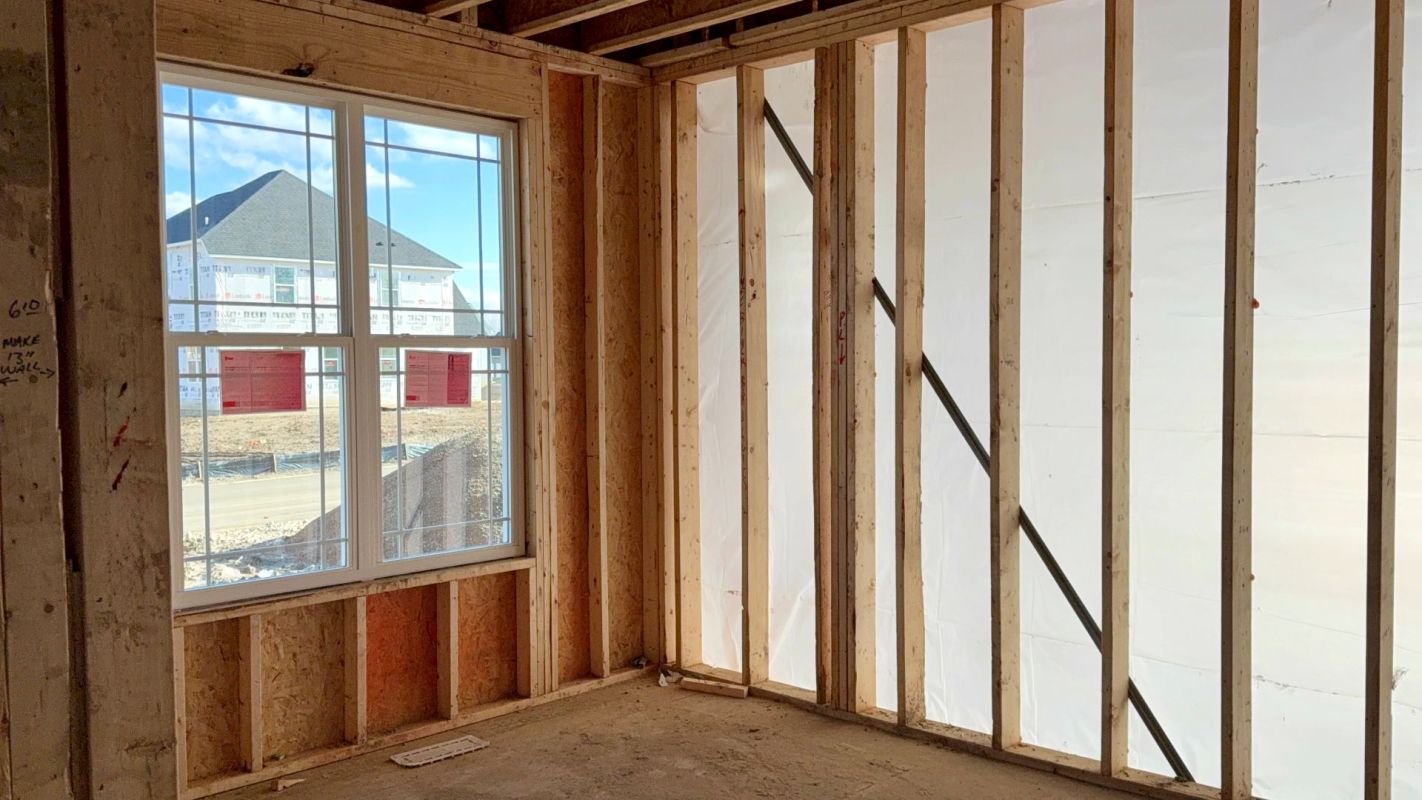
Only after moving into a newly built home in Manchester, England, did one buyer learn that the estate still lacked external internet access. For anyone working from home, that kind of surprise can turn a brand-new house into an immediate source of stress.
"I'd need to use some kind of 5G solution I guess but not sure what the best option is that isn't super expensive," the buyer wrote on Reddit's r/HousingUK.
Here's what to know
The buyer explained that the development contains eight homes and that internet infrastructure had already been installed inside each one. What was missing, they said, was the OpenReach connection linking the site to the wider network.
Residents were told the matter would not be dealt with until every plot was occupied. At that point, the developer hoped to divide an OpenReach quote of roughly $6,623 (£5,000) among the eight households, a plan that could leave buyers with an unexpected expense while waiting even longer for broadband.
Many commenters argued that buyers should not be paying that cost. One commenter pointed to the U.K.'s updated building rules for developers and wrote: "RA2: Subject to a £2,000 cost cap per dwelling, the developer must install a functional gigabit-capable connection."
The timing of the application also became part of the discussion. After the original poster said the completion certificate listed July 2024 as the date the developer filed the build plans, another responded, "That's good," and noted that the updated building rules should apply.
TCD Picks » Quince Spotlight
💡These best-sellers from Quince deliver affordable, sustainable luxury for all




Others questioned how sign-off happened if the connection requirement was still unresolved.
What can be done?
A temporary 5G setup may help bridge the gap for remote workers — but that's only a stopgap. Rather than agreeing to the split bill right away, commenters said the first step should be checking the official approvals.
The original poster said they contacted Manchester City Council building control, since that office approved the completion certificate, and asked whether the broadband requirements had actually been fulfilled.
Another suggested reaching out to the conveyancer who handled the purchase, since buyers likely believed things were in compliance before closing. Others thought it was worth seeking legal counsel.
As one commenter put it, "I don't think it is a grey area. It's very much worth a conversation with the council about building regulations compliance."
Where can I learn more?
If this broadband dispute sounds familiar, these housing stories look at other moments when a home came with unexpected costs or headaches.
• Across the U.K., critics say schemes designed to protect nature were bent by developers during homebuilding.
• In Vancouver, a tenant feared a landlord's trailer hookup was costing a fortune in electricity.
• In the U.K., a tenant pushed back after a landlord wouldn't provide them with a recycling bin.
• One homeowner returned to find that a mature tree on their property was cut down.

Get TCD's free newsletters for easy tips, smart advice, and a chance to earn $5,000 toward home upgrades. To see more stories like this one, change your Google preferences here.






