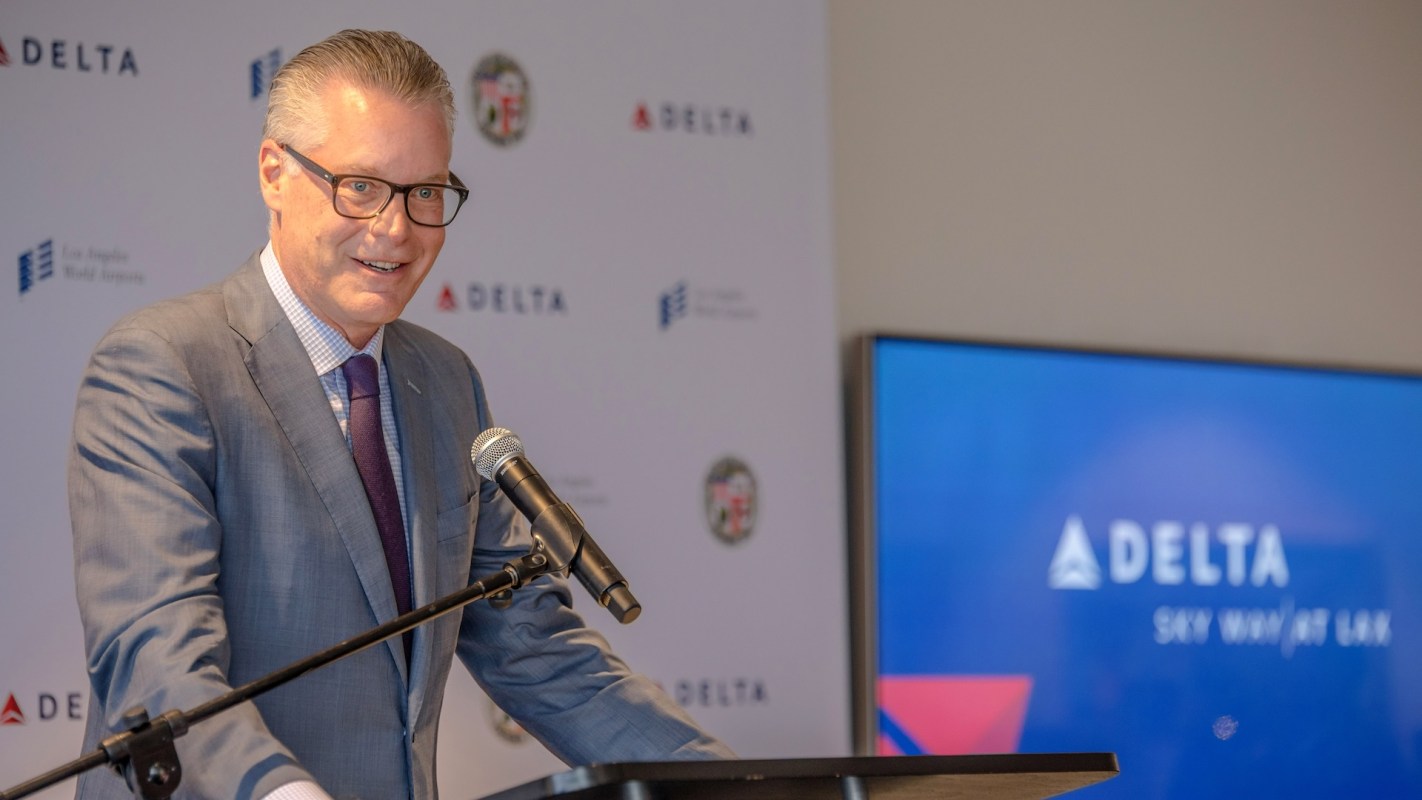
SpaceX CEO Elon Musk is escalating a public feud with Delta Air Lines after reports surfaced that the carrier passed on Starlink in part because of Musk's reputation.
After remarks attributed to Delta CEO Ed Bastian spread online, Musk responded on X, "He will lose his job over this."
Here's what to know
Delta's refusal to adopt Starlink for in-flight internet, and its decision to go with Amazon Leo instead, is at the heart of this new dispute.
According to Simple Flying, aviation insider JonNYC reported that Bastian told staff, "We do not want to be with Elon Musk. Trust me."
JonNYC also said Bastian added, "If you know his reputation, it's all true what they say about him."
Musk made his comment on X under a post from View from the Wing's Gary Leff (@GaryLeff). Leff was sharing his own report on the incident.
TCD Picks » Quince Spotlight
💡These best-sellers from Quince deliver affordable, sustainable luxury for all




CEO of @Delta Trashes @elonmusk To Explain Rejecting Starlink — "It's All True What They Say About Him" https://t.co/DH1OtICQzz https://t.co/uLRq3zWain
— gary leff (@garyleff) September 29, 2026
In-flight Wi-Fi has become an increasingly important selling point for travelers, and Delta's competitors are moving faster.
United is thought to have cleared 600 planes using Starlink. Its goal is to top 1,000 by late 2026. American says 500 narrowbody jets will start receiving the service in early 2027.
More background
Delta said in March that Amazon Leo would handle its next wave of onboard Wi-Fi. The first 500 aircraft would start getting it in 2028. That timeline drew criticism, as other airlines already have Starlink live or are rolling it out.
Alaska Airlines, Hawaiian Airlines, and Southwest Airlines already have Starlink in service and are still expanding the rollout. Worldwide, Starlink is already available on more than 20 airlines, and many more are committed.
Amazon Leo, by contrast, is at an earlier stage of deployment. Amazon had roughly 400 Leo satellites up by July, versus more than 10,000 for Starlink. JetBlue is the only other U.S. carrier to disclose a Leo agreement, with service targeted for 2027.
What's being done?
Delta has defended its choice by pointing to its established business relationship with Amazon. The airline has said the deal may allow Amazon Web Services to be woven more tightly into Delta Sync along with consumer perks tied to shopping, Prime Video, and gaming tools.
The airline has also said cost played a role. Bastian has argued that Amazon's option may be offered at a "much lower price point" while still providing solid bandwidth and reliability.
SpaceX has pushed back on Delta's version of events as well. During talks, Delta allegedly wanted Starlink users routed through Delta Sync instead of connecting outright. That disagreement appears to have been one of the sticking points in talks between the two companies.
Musk has made clear that he sees Delta's choice as a mistake. Simple Flying said that he commented on a separate X post about United that Delta will "lose a lot of customers."
Where can I learn more?
The fallout over Delta's Wi-Fi decision is a part of a web of competition around Musk, Starlink, and the future of airline tech.
• Delta has also tied future growth to electric air taxis and wider sustainable fuel use.
• Officials in Southeast Asia opened an investigation into Starlink over scam-center connections.
• Astronomers warned Amazon's new satellite internet venture could further crowd the night sky.

Get TCD's free newsletters for easy tips, smart advice, and a chance to earn $5,000 toward home upgrades. To see more stories like this one, change your Google preferences here.