


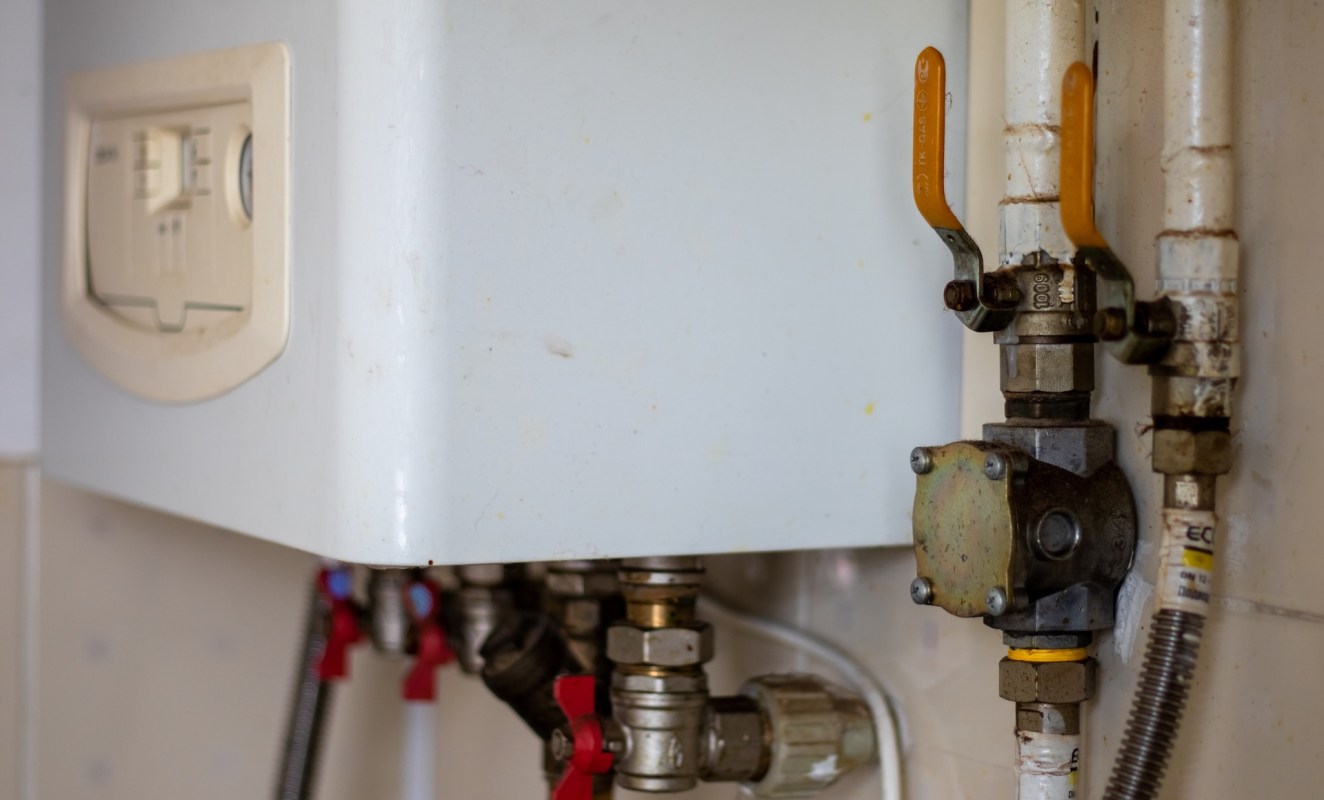
A proposal in the Bay Area says that people may have to replace failed gas water heaters with an electric version, according to the San Francisco Chronicle.
Air quality regulators say the change would reduce pollution. Critics, however, have focused on the fact that many of the board members involved in the policy still use gas equipment at home.
Here's what to know
When the San Francisco Chronicle asked members of the Bay Area Air District board about their own homes, 11 of the agency's 24 board members responded. Only one said he had installed an electric water heater.
Among those replies, some members said they still use gas. Others said they rent or would not discuss their residences.
Under the proposal, most single-family homes would no longer be able to install new gas water heaters starting in January 2027. District staff did, however, recommend in July to move that date to January 2028.
District officials say phasing out gas furnaces and water heaters could avert about $400 million to $890 million in annual health costs and prevent up to 85 premature deaths across the Bay Area.
More background
The personal-use gap stands out in part because the lone board member who said he has installed an electric water heater at home, Benicia Mayor Steve Young, is also one of the critics of the requirement.
"I think that electricity is the way to go, and if you can do it, you should do it," Young said. "I think everybody should transition, but there's a big difference between should and must."
Save $10,000 on solar panels without even sharing your phone number Want to go solar but not sure who to trust? EnergySage has your back with free and transparent quotes from fully vetted providers in your area. To get started, just answer a few questions about your home — no phone number required. Within a day or two, EnergySage will email you the best options for your needs, and their expert advisers can help you compare quotes and pick a winner. Solar panels can save you more than $50k over their 25-year lifespan, and EnergySage can help you save as much as $10k on installation. Which begs the question — isn't that worth an email or two? |

By the air district's estimate, a heat pump water heater costs about $3,500 more on average than the gas alternative.
Solano County supervisor Monica Brown said that cost drove her decision when she replaced her water heater, leading her to choose gas because a heat pump felt unaffordable.
"I don't have that kind of money," Brown said.
Other officials argue the switch may not be as difficult as some residents expect.
Board member Tyrone Jue said the San Francisco Environment Department's heat pump replacement initiative installed 100 units for households below 80% of the area median income. None of those projects needed added electric service capacity.
What's being done?
In response to criticism, district staff outlined possible exemptions for lower-income residents, homes with too little space, and properties that would need significant electrical upgrades.
Those exceptions might apply to as much as 38% of installations, and the board is scheduled to vote on the updated proposal in November.
Financial incentives are also central to the plan. Sunnyvale councilmember Linda Sell said that the cheapest contractor she contacted quoted roughly $2,700 for an 80-gallon heat pump water heater after Silicon Valley Clean Energy rebates. Rebate availability in general remains uncertain.
Companies are also trying to make electrification easier. Cala offers smart heat pump water heaters designed to help households better manage both energy use and hot water demand. Its customizable smart heat pump water heaters help homeowners decrease their energy bills by heating water exactly when it's needed.
As more households weigh replacement options, Cala products may offer a path to making the transition feel more manageable.
Where can I learn more?
This isn't the first time the Bay Area has considered the impacts of gas-powered appliances on health.
• Bay Area regulators pushed more efficient units for homeowners as gas water heaters face phaseout.
• In the Bay Area, officials reconsidered a gas appliance phaseout after fierce backlash.
• San Francisco leaders said the health impacts are real as gas limits advance.

Get TCD's free newsletters for easy tips, smart advice, and a chance to earn $5,000 toward home upgrades. To see more stories like this one, change your Google preferences here.






